Text: Svitlana Manzer
The school as a system striving for change
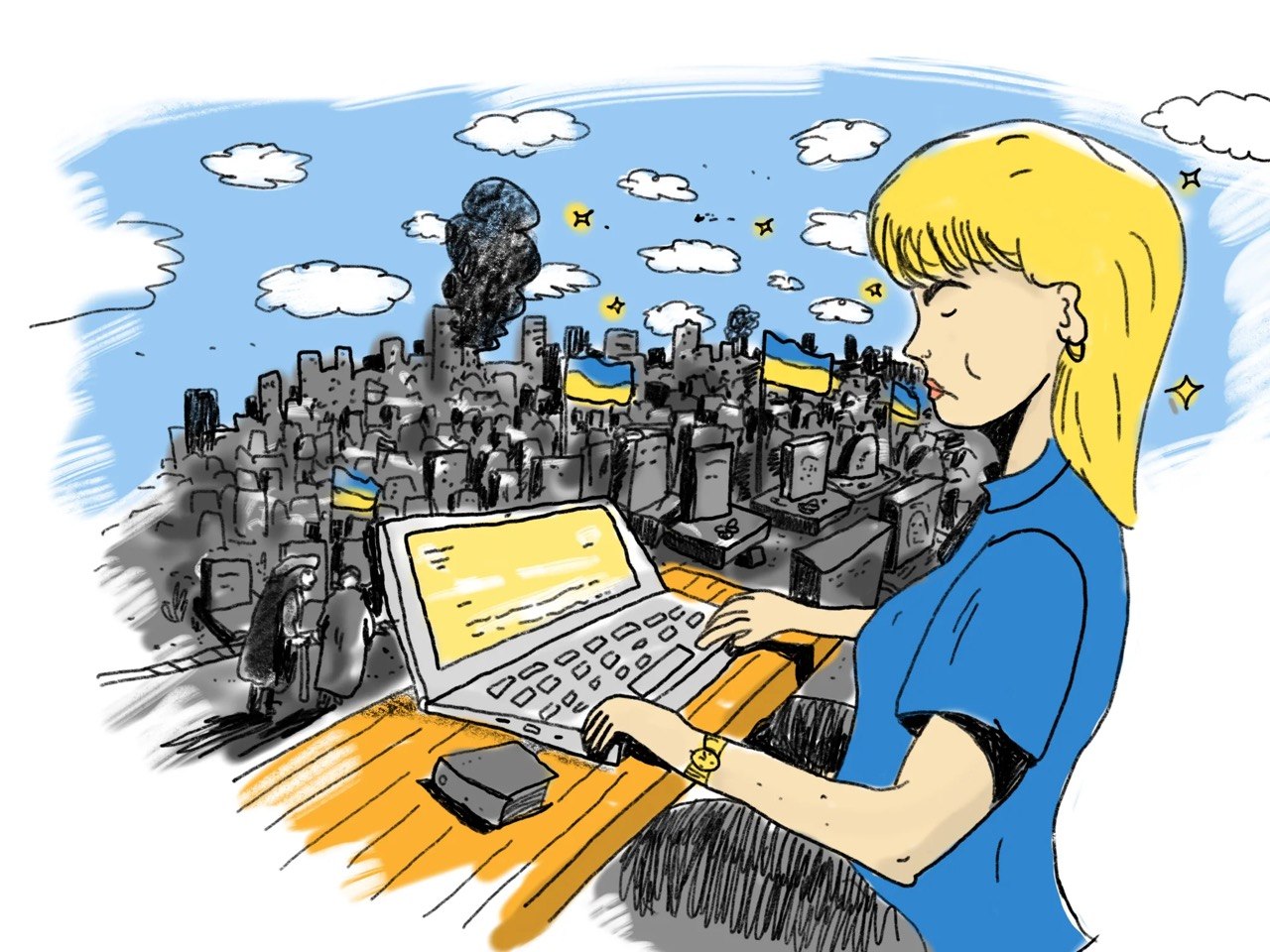
The Ukrainian school today resembles a large inert machine: it formally moves forward, yet constantly encounters resistance from within the system itself. This is no coincidence. Public education still operates according to the logic of a centralized monopolist — a structure accustomed to dictating rules rather than adapting to new conditions.
Decentralization has given educational institutions more freedom, but with it — a level of responsibility many were not prepared for.
Private schools, on the other hand, have more room to maneuver, yet face a different challenge: legislation regulating their activities remains largely underdeveloped. As a result, each institution essentially constructs its own system of rules and management approaches. This opens space for innovation but often turns development into a chaotic trial-and-error process.
In such circumstances, long-term partnerships between schools and external organizations become not just desirable — they define the future trajectory of educational development. Collaboration helps borrow better models, implement advanced management practices, and foster a culture of sustainable growth.
This is precisely why USB aims to share Swiss experience with schools in Ukraine, where educational partnerships are not an exception but a key tool of transformation.
Three schools, one approach: building internal algorithms instead of cosmetic changes
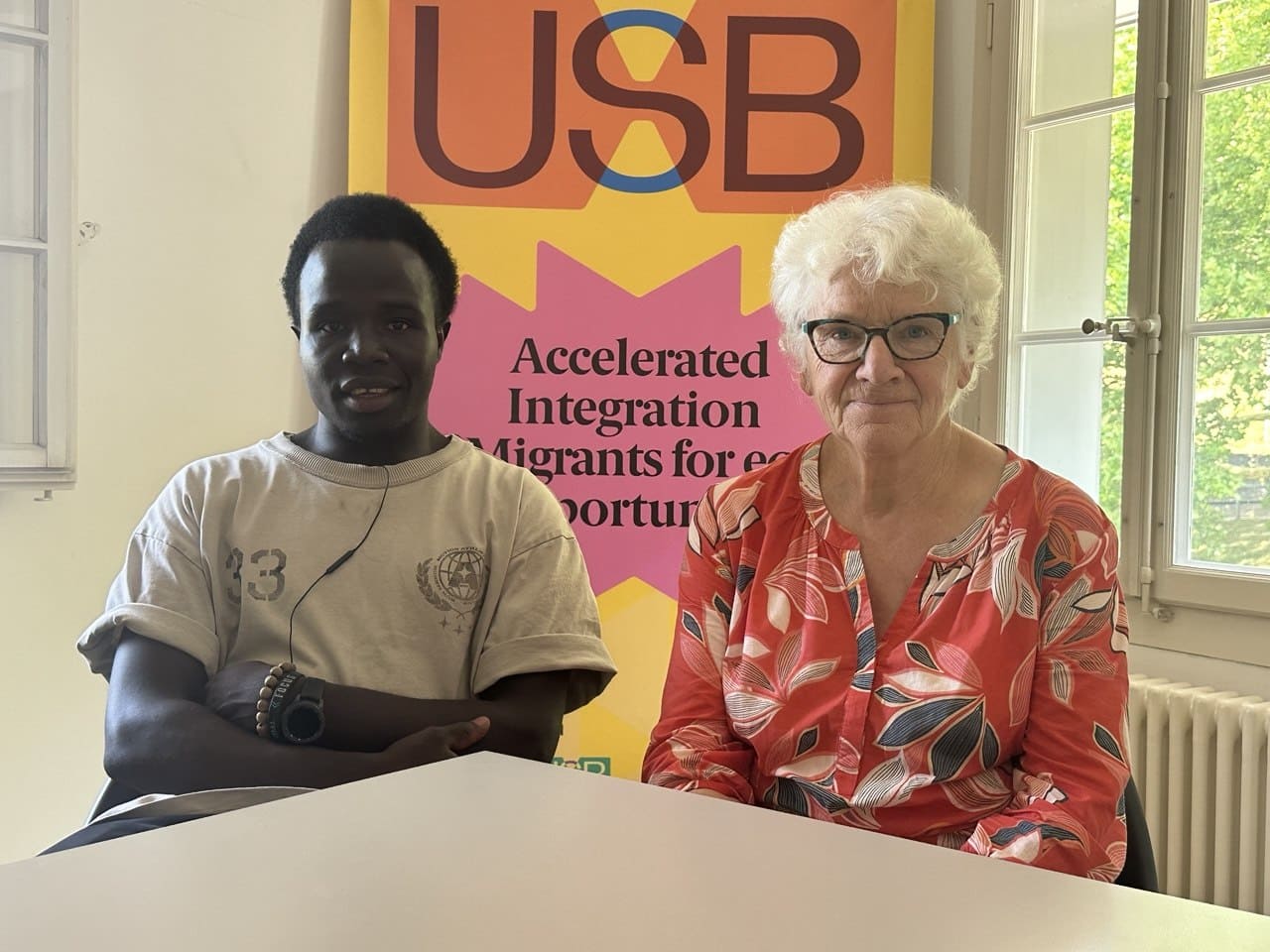
Over roughly a year of cooperation with Svitlana Manzer, Head of Educational and Integration Projects at the USB Association, three schools — two private and one public — began to transform not only individual processes but the very philosophy of learning.
The key objectives were clear:
– to build effective internal work algorithms that the entire team understands;
– to expand the network of external partnerships that provide children with real opportunities for socialization;
– to break away from the traditional classroom-lesson model that still defines the face of Ukrainian education;
– to create conditions for practical experience, not merely theoretical knowledge.
These changes are mostly invisible from the outside, yet they form the foundation for future transformation. According to school leadership, this period brought a shift in management approaches, teacher collaboration formats, and even a reconsideration of what quality education means.
When feedback shapes personality: Ukrainian and Swiss models
One of the core topics emphasized during consultations was the difference in how children’s self-esteem is shaped in Ukraine and Switzerland.
In Ukraine, a child receives authoritative feedback essentially from only two sources: the school and the parents.
And these two often send opposite signals:
the teacher says, “You did poorly,”
the parent responds, “The teacher is wrong.”
As a result, the child lives in a constant conflict of rules and assessments.
The Swiss model is different. From an early age, a child receives feedback from multiple levels of the social system: extracurricular programs, sports clubs, volunteer initiatives, municipal youth services. Children have diverse points of reference, different adult role models, and multiple opportunities for socialization.
This became a key factor when adapting Swiss practices in cooperation with Ukrainian schools.
Nest Academy: a case illustrating the model of the future
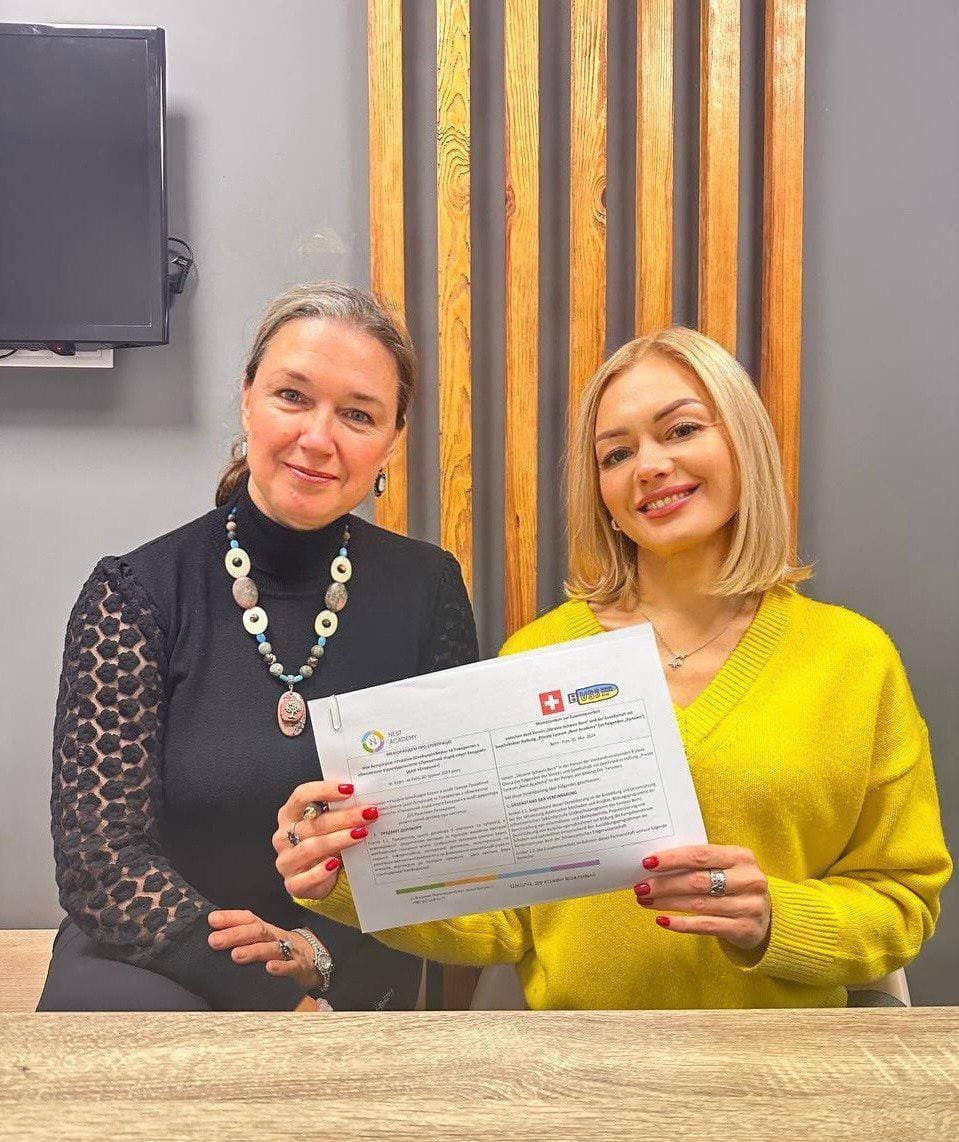
One of the most illustrative examples is Nest Academy, a private school in Vyshneve.
The cooperation began with educational support and a strategic session on integrating Swiss approaches into the Ukrainian curriculum in a way that strengthens — rather than breaks — the system. Key implemented components included:
– comprehensive student assessment — focusing not only on results, but also on process, skills, and resilience;
– early career orientation — students gain access to real work environments;
– support for emotional well-being.
Parents at Nest Academy actively contributed to forming a list of professions and organizations where students can gain practical experience.
The Schnuppertag project is still in progress due to wartime constraints and school regulations. However, the tools are already in place, and the administration is ready to implement the format fully once conditions allow.
Change becomes possible when a school stops being a closed system
The results of this cooperation show that even under the conditions of war, instability, and legislative limitations, Ukrainian education can move forward. But only when school administrations are willing to open up to external practices, work with teachers, build partnerships, and move beyond the classroom-lesson framework.
As emphasized by the principal of one of the partner schools:
“We realized that a school cannot develop in isolation. Once we opened ourselves to partnerships, we gained access to resources we could never have created on our own.”
Swiss experience confirms: a child develops harmoniously only when living within a network of diverse social connections. Ukrainian schools are beginning to create such opportunities — and this direction defines the future of our education.
USB will continue supporting educational institutions, helping them not just implement innovations but build sustainable, living educational ecosystems.