Text: Olena Krylova
In Basel, integration is increasingly discussed not as a service or a set of measures for newcomers, but as a shared practice. It is less and less perceived as one-sided assistance and more as a joint journey of people with different experiences. Despite cultural differences, migrants are united by a similar process of adaptation: finding their place, understanding the rules of a new society, and the desire to be useful.
It is precisely in this context that young people with migration experience come together not to be “included,” but to participate – to initiate, shape, and co-create.
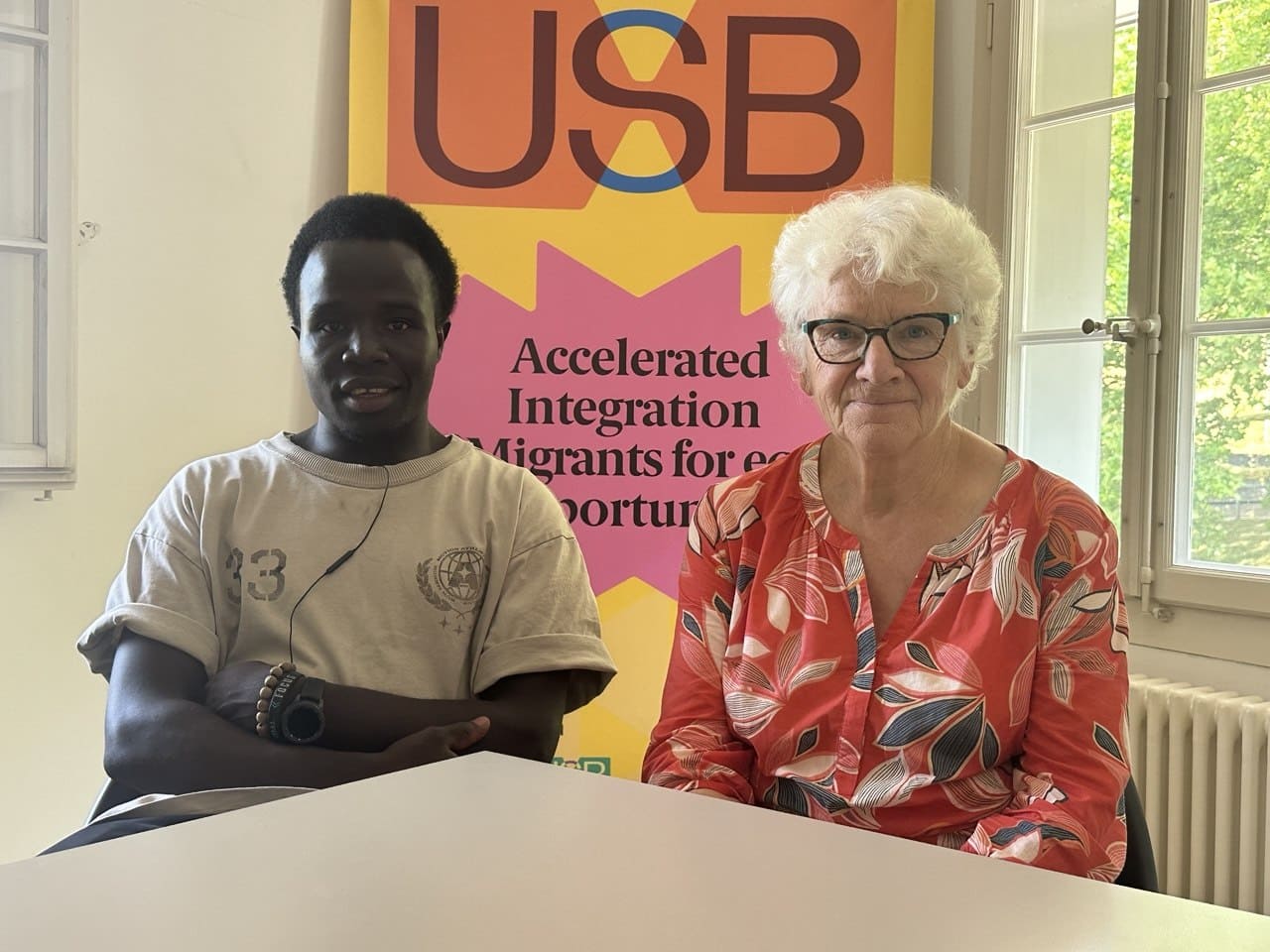
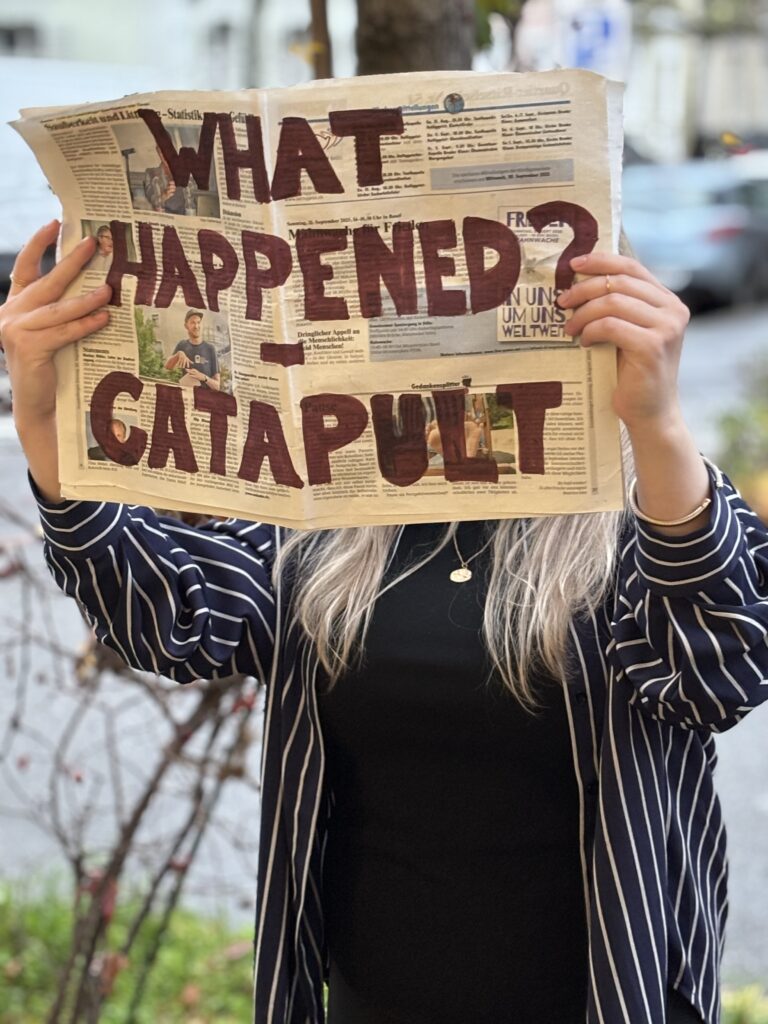
This understanding forms the basis of the youth platform U.integration, operating within the USB Association and funded by Catapult Basel. It brings together young migrants from different countries who have already gone through part of their integration journey and are ready to share their experience, support, and networks with others.
This is not a story about help.
It is a story about presence.
Why Basel
Basel is one of the most international cities in Switzerland, located at the intersection of three countries, languages, and social contexts. A significant share of its residents has a migration background, which makes the city open and diverse, yet at the same time complex to navigate in everyday life.
Despite a well-developed support infrastructure, young migrants often face fragmented urban processes and a lack of informal spaces for interaction. In such an environment, the need is felt not only for adaptation, but for participation in building connections, understanding the local context, and feeling a sense of belonging to the city.
Shared Experience as a Point of Reference
Before launching the platform, the team conducted 22 interviews with young migrants. The research showed that despite different cultures and backgrounds, there is a strong bond between people formed through shared migration experience.
At the same time, the diversity of these experiences gives the community a new quality. Some arrived because of war, others for education or work, and some have lived in several countries. Combining these perspectives makes it possible to better understand the challenges of integration and to create an environment of mutual support and networking.
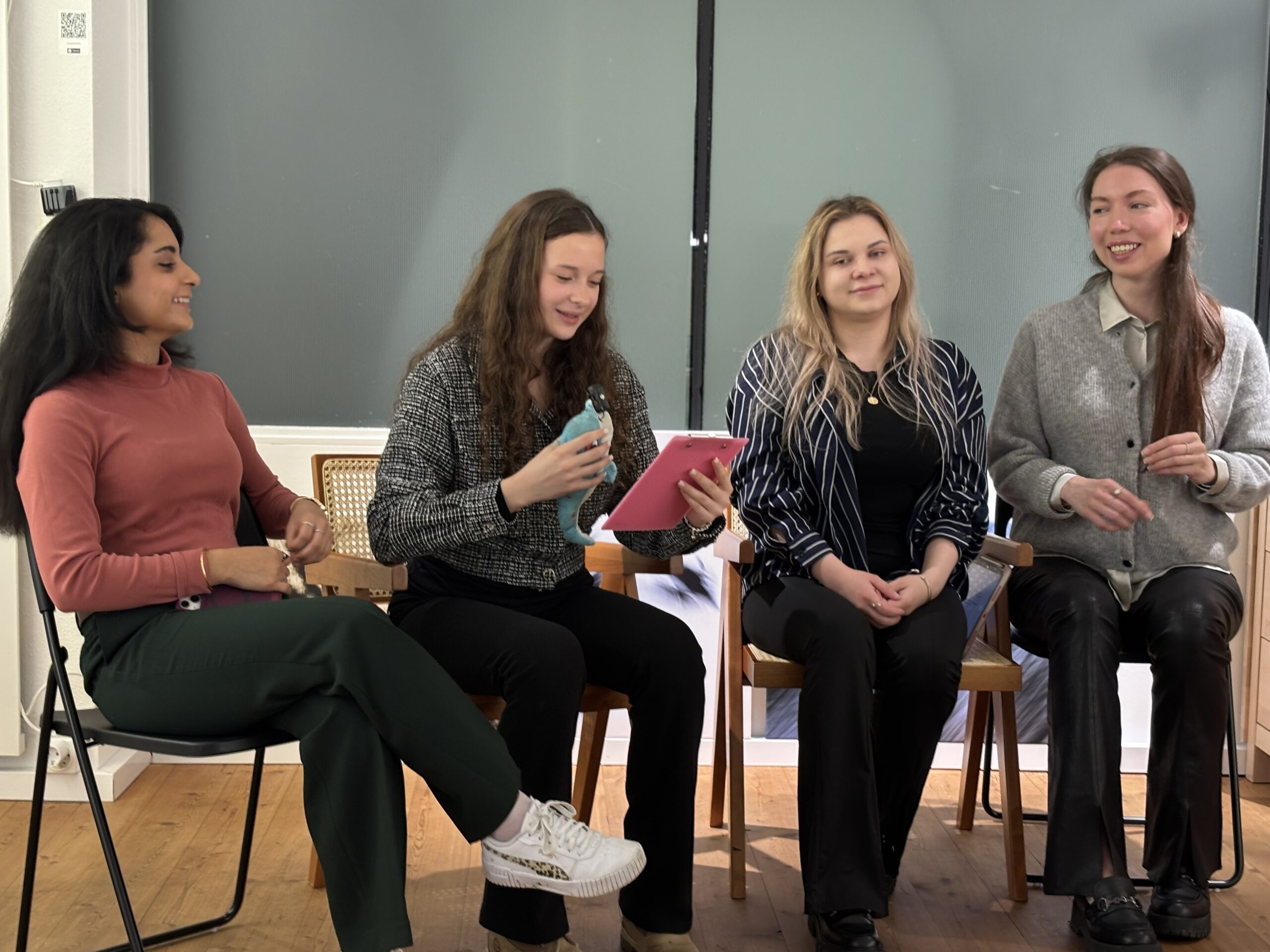
As Anastasiia Zaria, coordinator and marketing specialist of U.integration, explains:
“This became a key argument for creating an environment where migrants can not only adapt, but also realize their potential.”
From Help to Participation
Another important dimension of the platform is live communication between people, which is not limited to individual events or formats. This is emphasized by Prerna Duhan, who is responsible for project management and media communication: “This project truly helps communication between people. Іncluding myself.”
For Prerna, who has lived in several countries and has long-term migration experience, it is important that the platform combines online visibility with real-life interaction. The social networks and media channels of U.integration give migrants a voice and make the integration process understandable to a wider audience. At the same time, they are not an end in themselves.
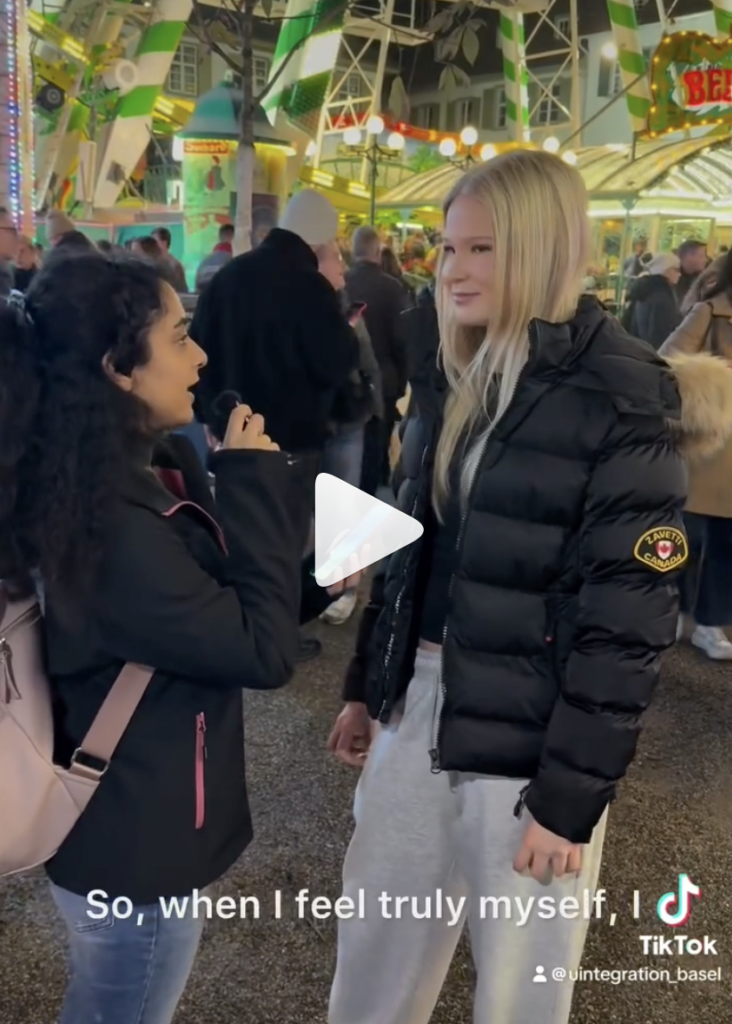
At the core of the project are face-to-face meetings, shared events, and concrete initiatives. Participants regularly gather offline, work on ideas, launch projects, and apply for grants. Media here is just a tool, supported by extensive organizational and community work behind the scenes.
Workshops and mentoring formats help not only to share stories, but also to develop practical solutions that facilitate adaptation to Swiss society. This is where integration stops being abstract and becomes part of everyday life.
Volunteering Experience: An Inside Perspective
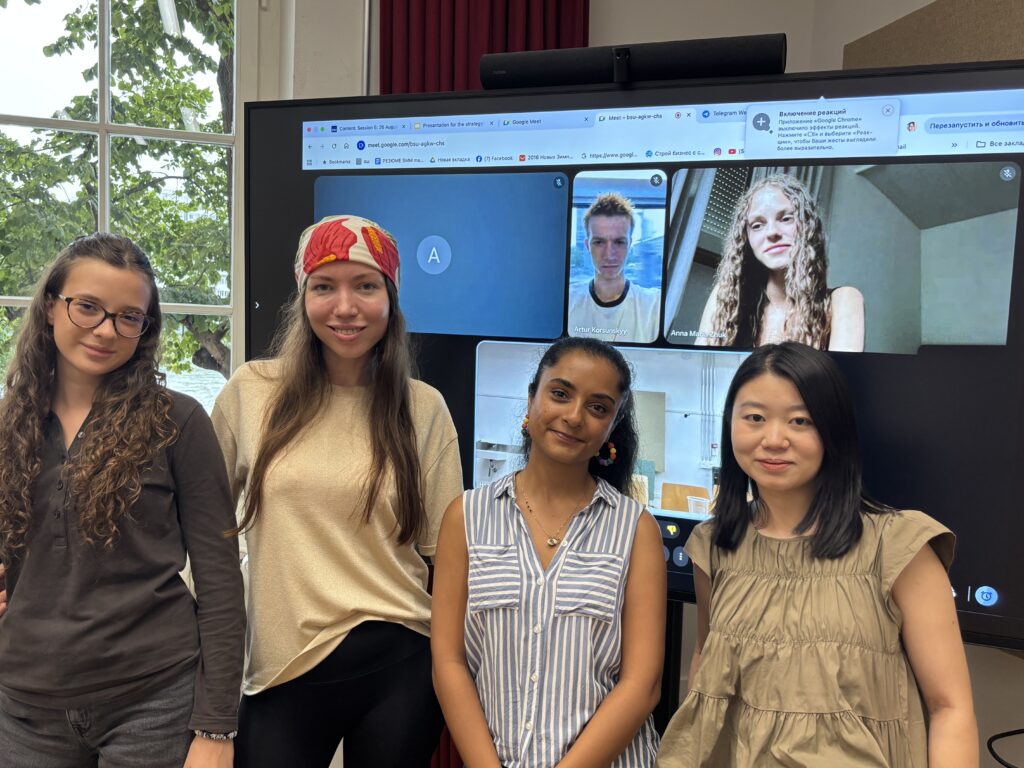
Volunteers with diverse backgrounds are actively involved in the platform’s work. Anna Sliunchenko, who previously collaborated with several volunteer organizations in Basel, points out the difference in this approach:
“I have seen many initiatives where volunteers carry out clearly defined tasks but are not involved in decision-making processes. Here it is different: you are heard, you are trusted, and you feel responsible for the shared outcome.”
This experience shows that participation in U.integration is not formal volunteering, but real involvement in a process where every contribution matters.
For Veronika Kapshukova, who is still in upper secondary school, the platform became her first serious experience of civic engagement: “For me, this is an opportunity to understand how projects work from the inside. I am learning organization, communication, and responsibility. That is incredibly valuable at such an early stage.”
Early involvement of young people in such initiatives shapes not only practical skills, but also a sense of belonging to the city and its processes.
Integration as an Accelerated Process of Participation
The combination of diverse experiences, structured work, and live interaction allows the U.integration platform to accelerate the integration of young migrants into Swiss society. People find their way through systems more quickly, build connections, understand the local context, and feel part of a community.
Here, integration is neither assimilation nor charity, but cooperation. Migrants become partners for one another and for the city, turning their own experiences into a resource for development.
In Basel, this approach is quietly changing the narrative. Integration is no longer about adapting to the city. It is about contributing to it. And about how, by changing the city, you change together with it.