Text: Olena Krylova
When people move to a new country, they almost automatically gravitate toward those who are “like them.” This is a natural reaction. People seek safety, a familiar language, and shared experiences. Yet behind visible cultural differences there is often a very similar path: migration, adaptation, uncertainty, and at the same time a desire to understand the new society and to be useful to others.
This duality of different cultures but similar experiences is one of the greatest challenges and at the same time one of the greatest resources for integration. From this understanding, the idea of the Integration Hackathon in Basel was born. It was created within the youth platform U.integration of the USB Association with financial support from Catapult Basel.
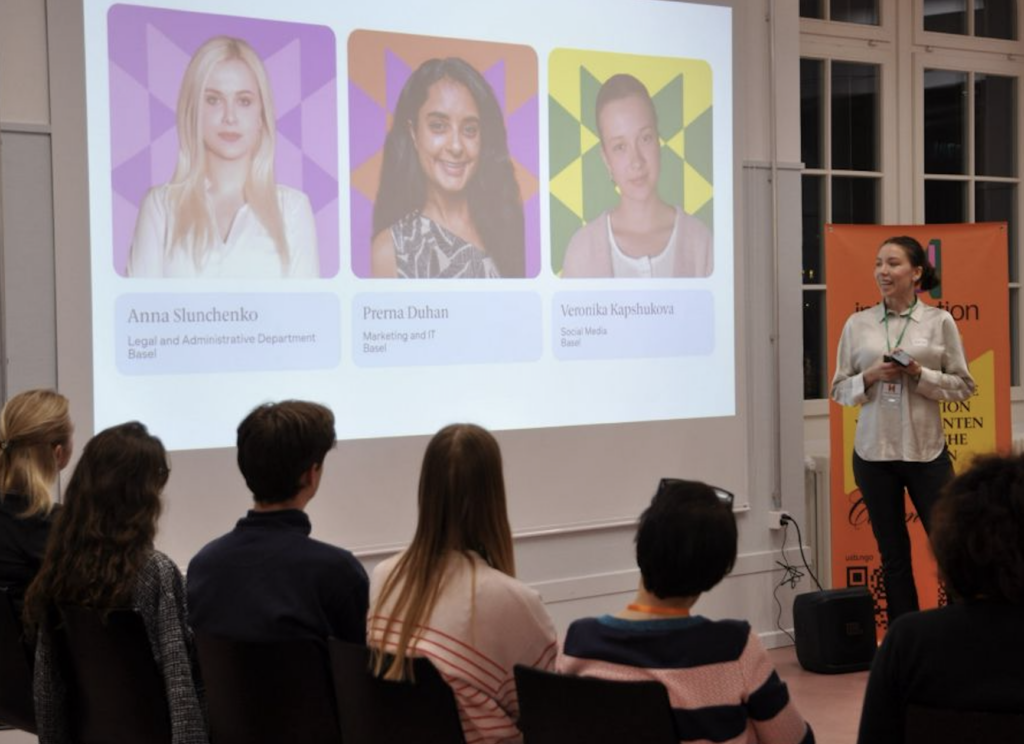
A shared process and a structured approach as priorities
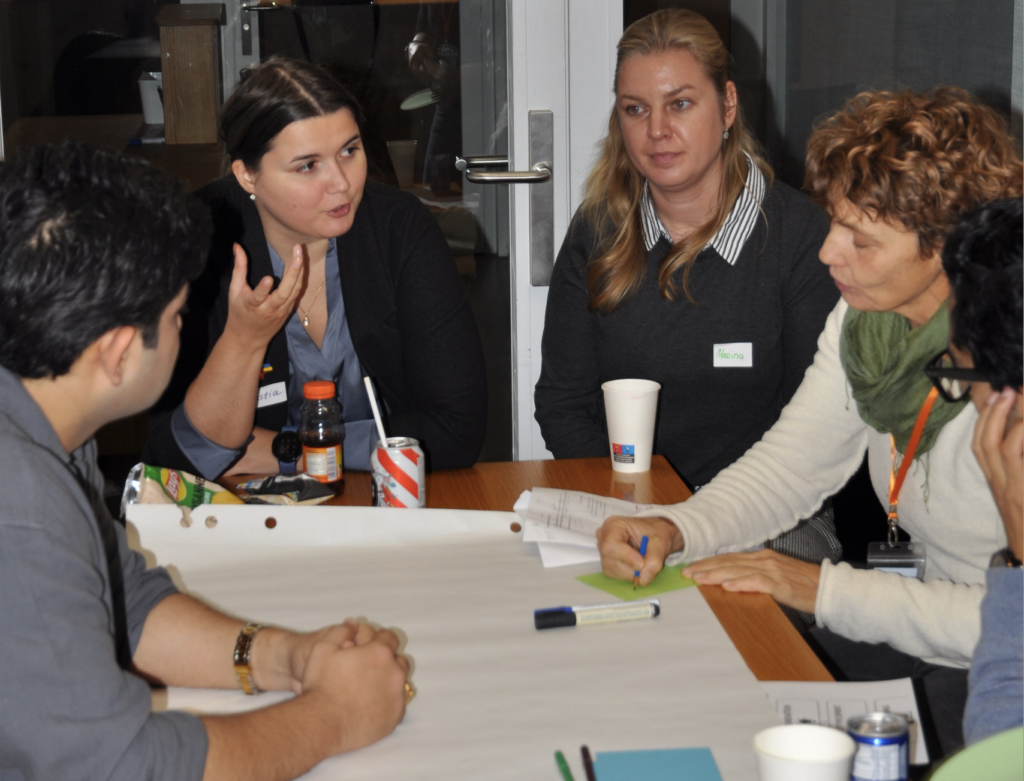
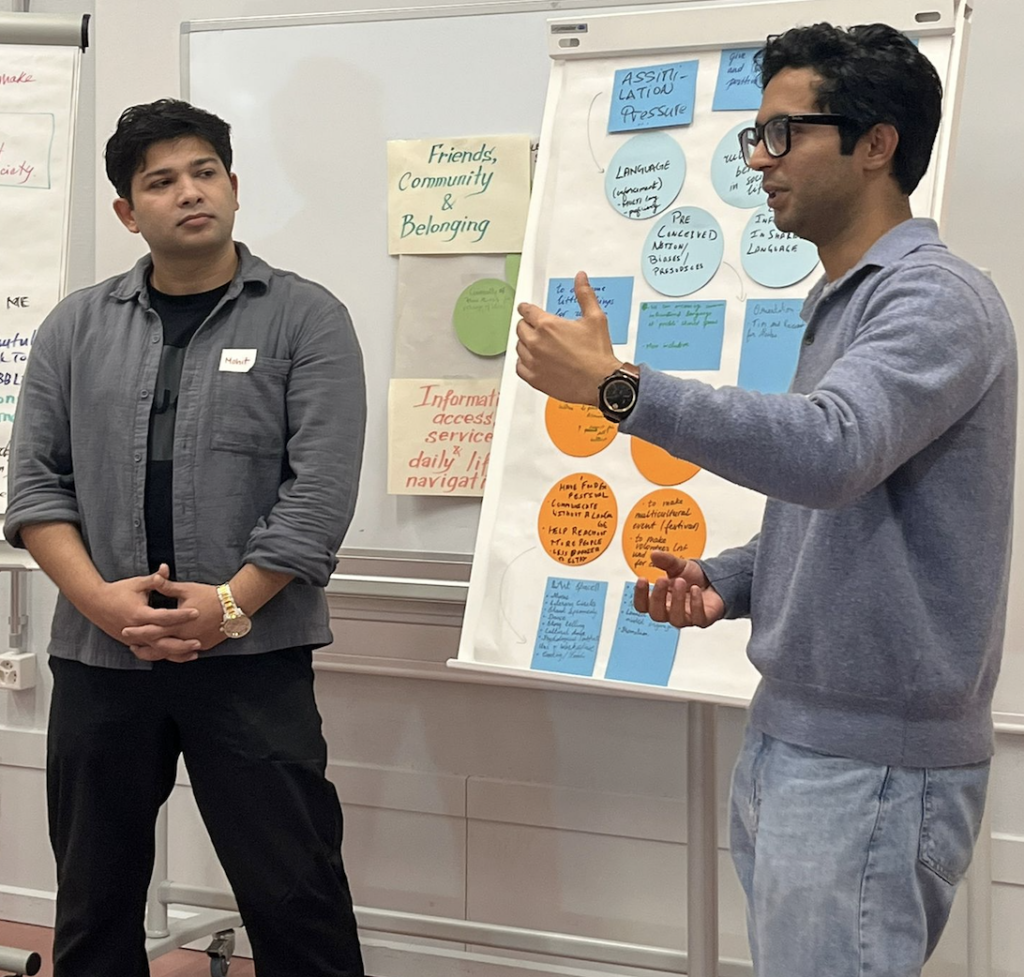
The Integration Hackathon is a space where young people from different countries with diverse cultural, professional, and personal backgrounds work together on concrete challenges. Differences are not erased here. On the contrary, they are activated as a source of new ideas, perspectives, and solutions.
The organizers from U.integration Basel emphasize that migrants with different backgrounds perceive integration challenges in different ways. This diversity of views makes it possible to find more viable and sustainable solutions. Some participants understand language barriers particularly well, others focus on access to education, while others are skilled in navigating complex systems and services. Together, these perspectives create an environment of support, networking, and mutual learning.
As project initiator Anastasia Zaria explains, the essence of the hackathon is not only creativity but also a structured approach. The teams work with real integration problems, analyze them, formulate solutions, and support the strongest ideas in moving forward.
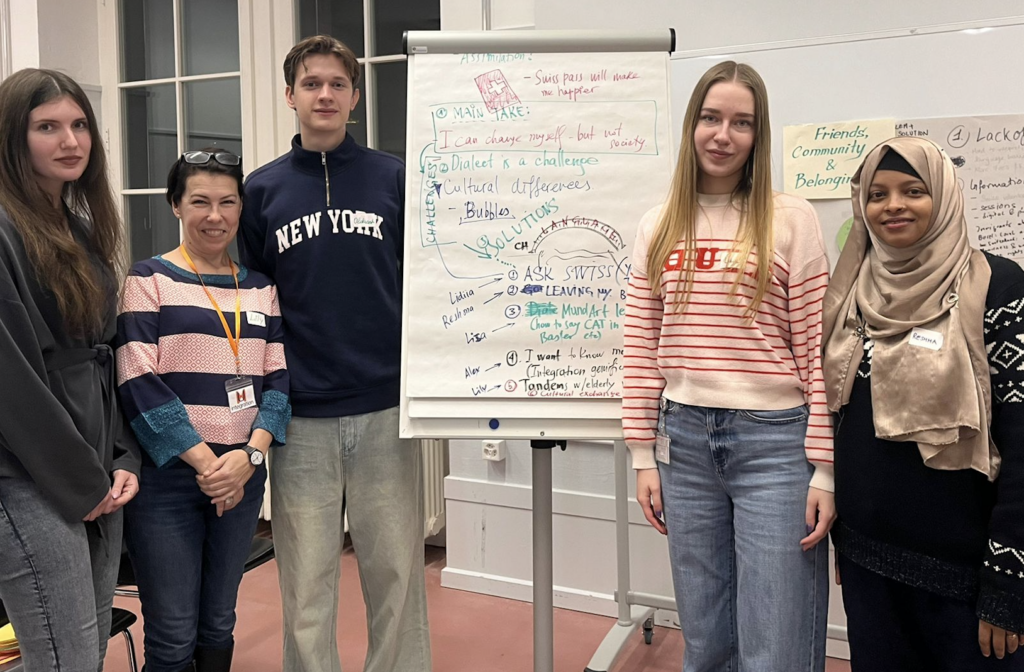
From participation to authorship
What distinguishes this approach is the shift from participation to authorship. Young people do not simply take part in activities. They design them. They moderate discussions, lead working groups, coordinate partnerships, and carry ideas beyond individual events.
In this process, integration stops being a checklist and becomes a relationship. A relationship with the city, with institutions, and between people. Responsibility, rather than mere support, becomes the strongest form of inclusion.
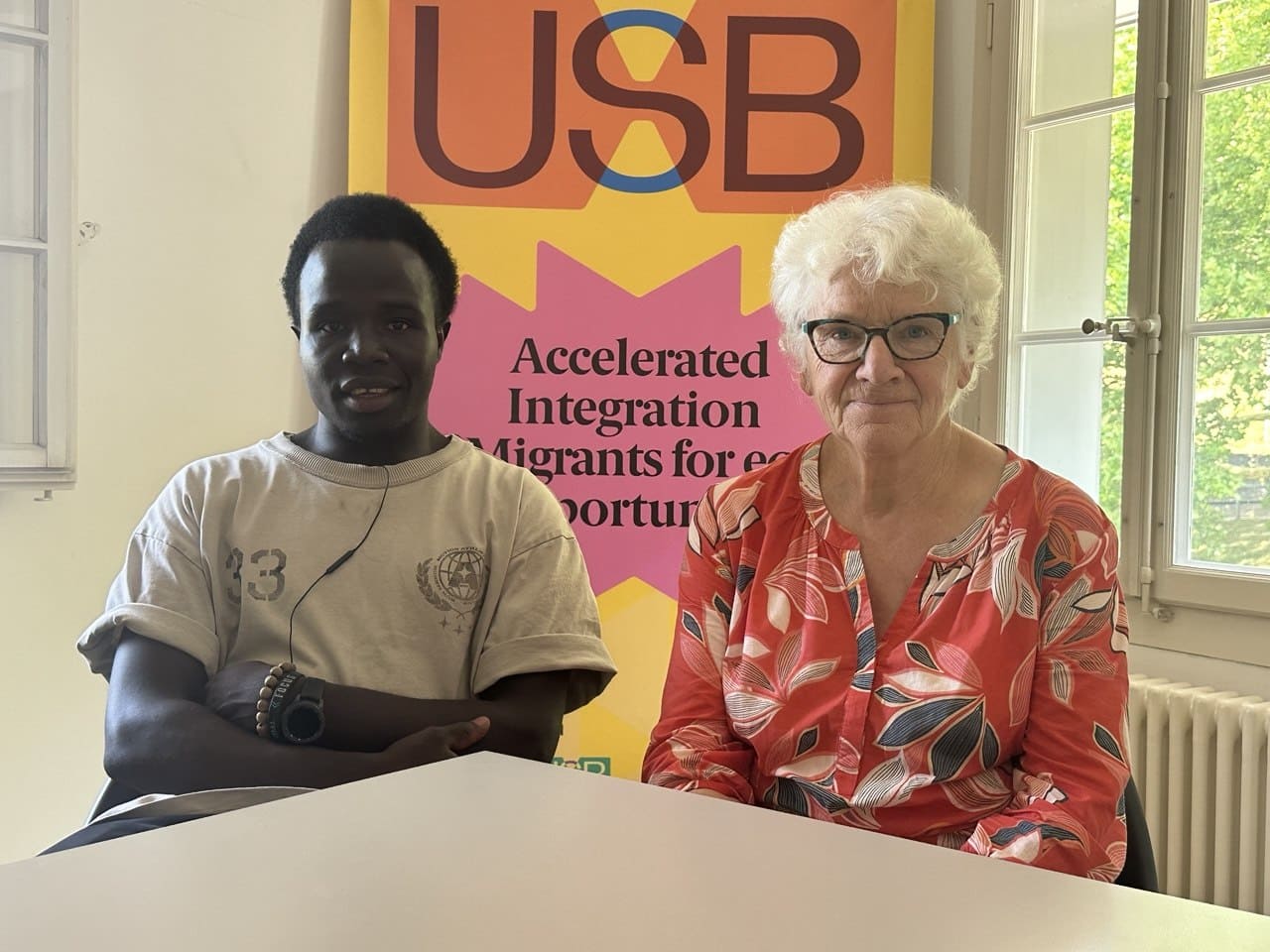
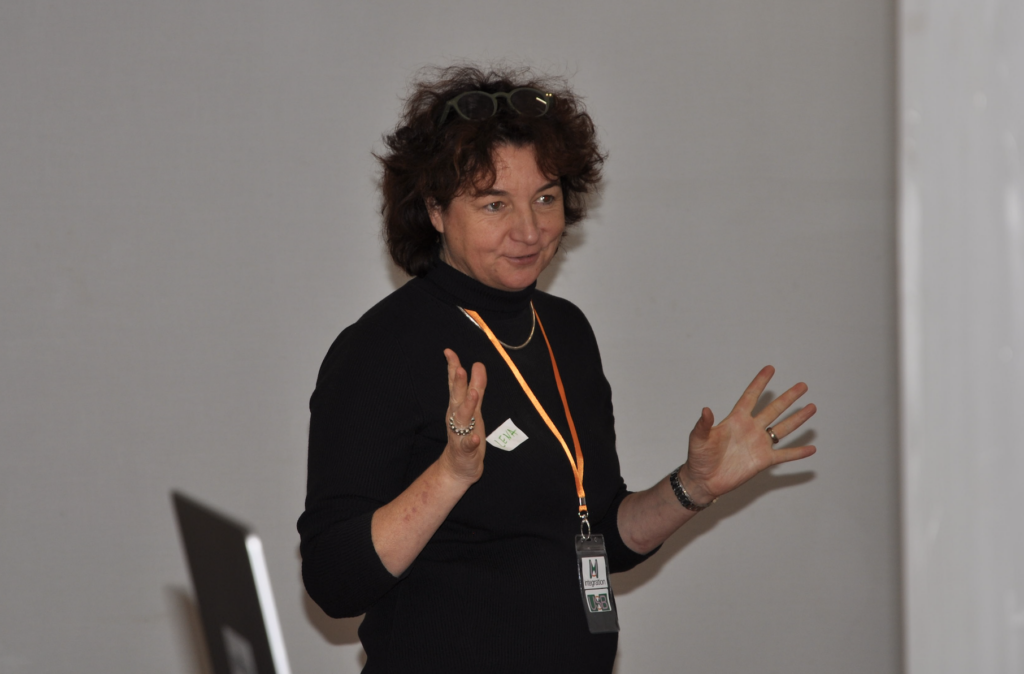
This logic is clearly articulated by Olena Krylova, President of the USB Association and coach of the Basel team. USB U.integration does not view young migrants as people who “need help.” It is a space where your voice matters and where ideas are linked to responsibility. What unites people is not identity, but the willingness to participate and to stay engaged even when things become difficult.
From ideas to real initiatives
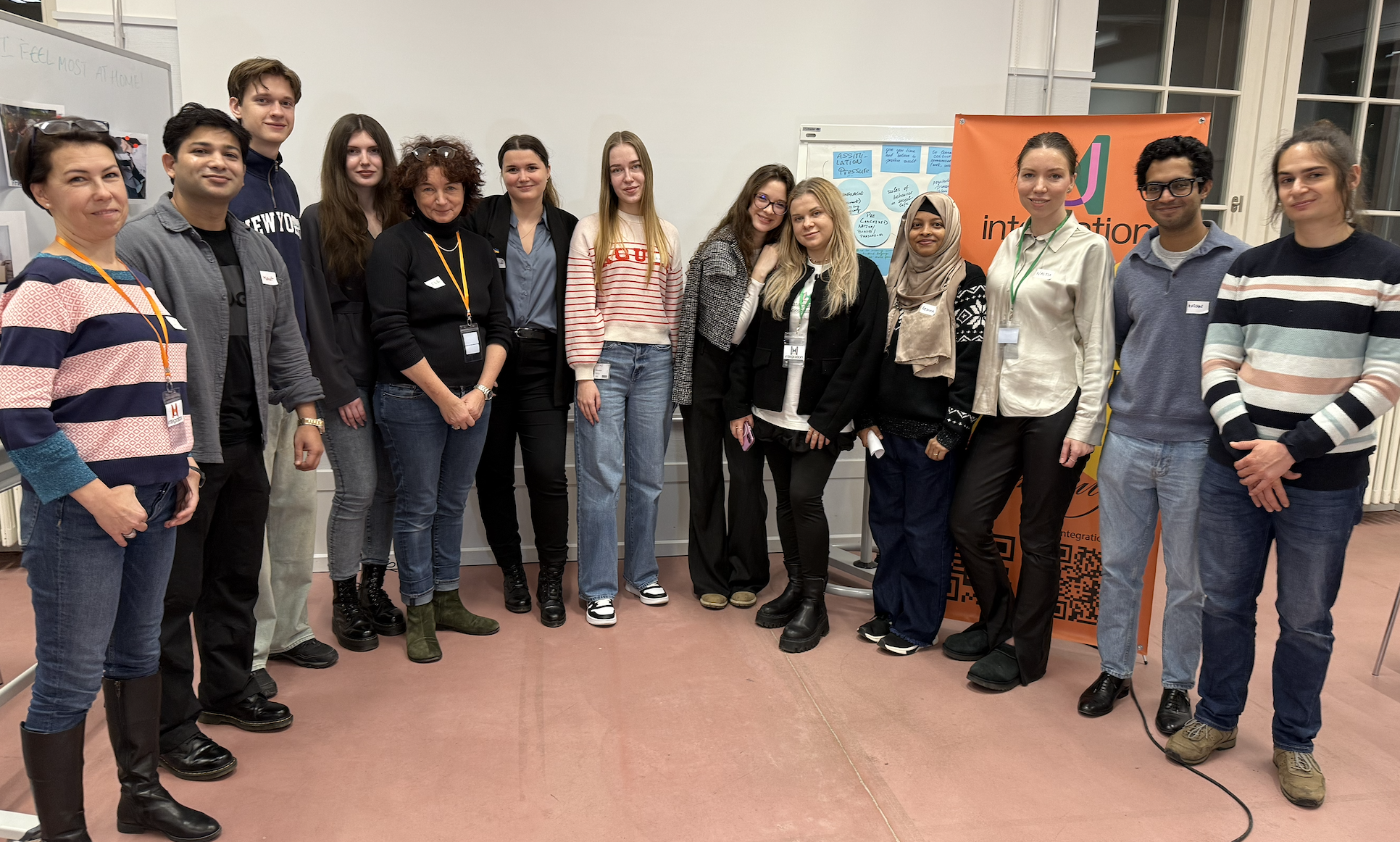
During the first hackathon, which took place in December 2025, 18 migrants from different countries participated. The work focused on key areas of integration. These included language and communication, community and a sense of belonging, education and employment, access to information, and everyday navigation within the Swiss context.
Importantly, the hackathon is not a one-time event. Teams not only presented their ideas but also received the opportunity to develop their initiatives further. This happens through consultations, mentoring, and support in preparing grant applications. In this way, ideas turn into practical tools that accelerate integration into Swiss society. This benefits both the participants themselves and the wider community.
Migrants as partners in development
The Integration Hackathon demonstrates a shift in the approach to integration. Migrants are no longer seen only as recipients of support but as active contributors to the development of the urban environment.
Such formats help not only to build intercultural dialogue but also to shape an active civic space in which diversity is perceived as a value rather than an obstacle. Through joint action, integration ceases to be an abstract concept and becomes a living process.