Text: Olena Krylova
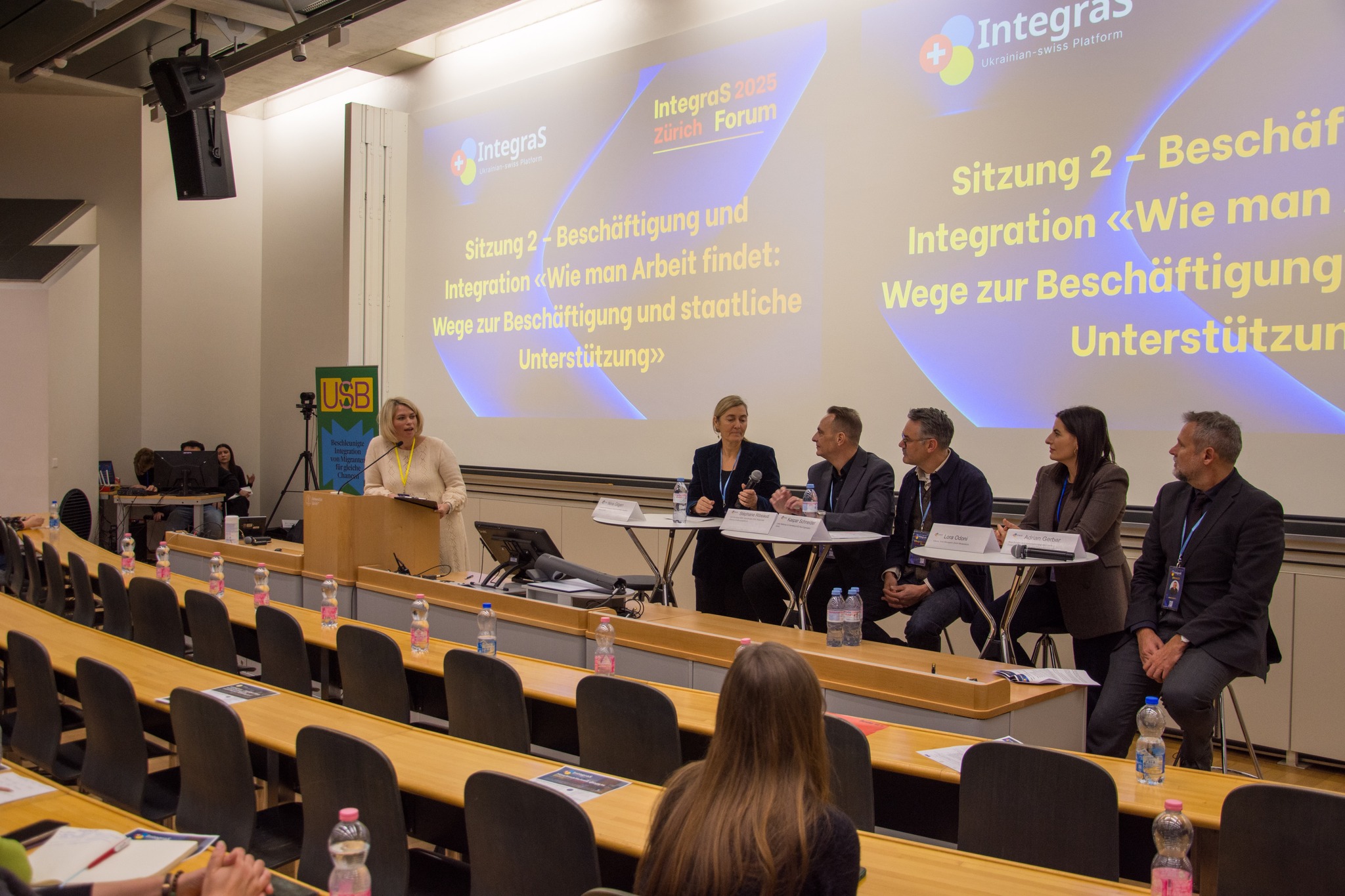
At the “IntegraS 2025” forum in Zurich, partnered by the USB Association, participants discussed real barriers and ways to overcome them—from language and professional programs to issues of qualification recognition and employer trust. The conclusion was clear: successful integration depends not only on the system, but also on the willingness of all parties to work together.
Professional Integration as a Balance of Interests
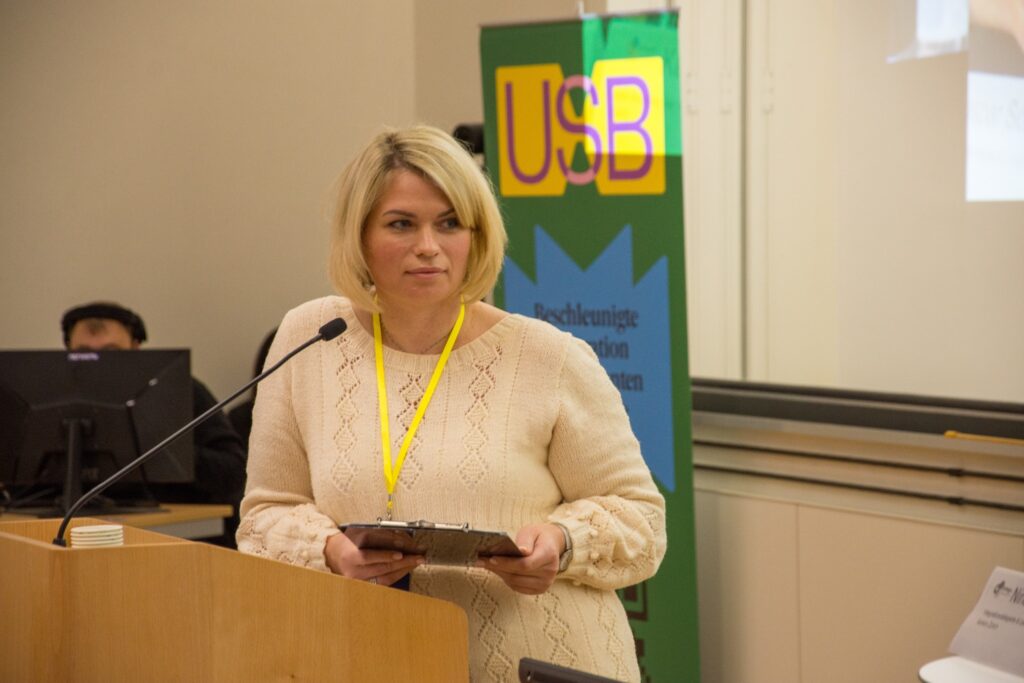
The event brought together representatives of federal and cantonal authorities, employment services, integration structures, and the private sector to discuss practical challenges, differences between cantonal approaches, and possible solutions. As moderator Svitlana Prokopchuk noted, “successful integration happens when an employer and a refugee sign an employment contract.” This simple formula conceals a complex mechanism: success depends on the simultaneous work of many institutions—from municipal services to the private sector—and on the readiness of the candidate themselves.
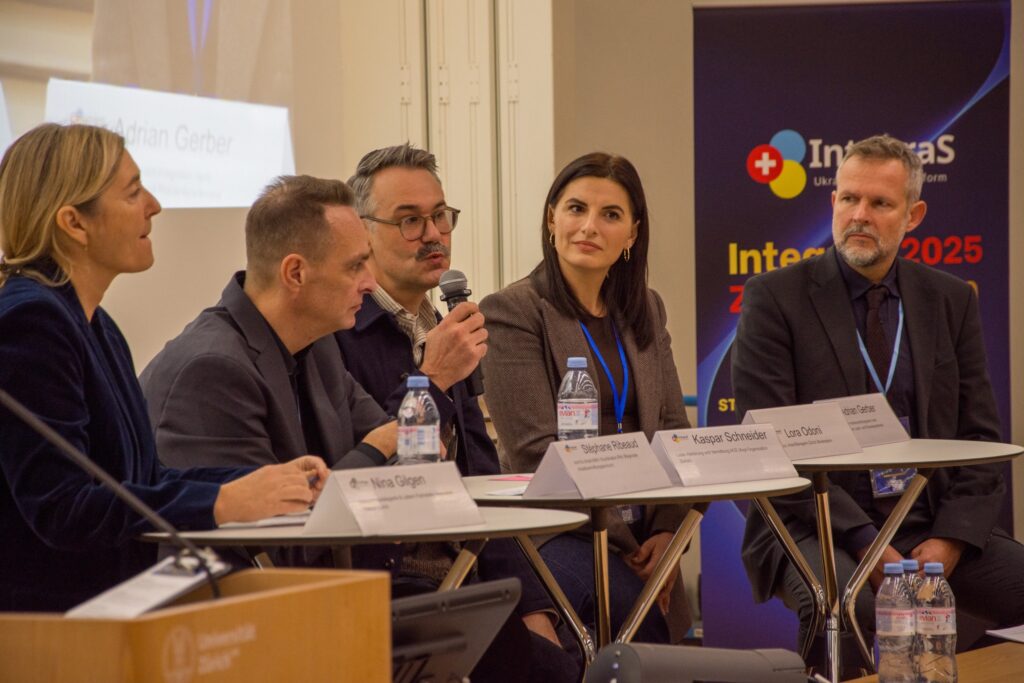
Analyzing the experts’ contributions, it becomes clear that the Swiss integration model relies on a comprehensive approach that combines state support, personalized training programs, and close contact with employers. Nina Hilgen, Head of the Integration Department of Zurich, emphasized that this very “system of offers” enables refugees to adapt more quickly and find employment, but it also requires constant scaling and coordination.
RAV and the Role of Coordination
Stefan Ribot, RAV coordinator, highlighted the importance of continuous communication with employers: “We organize information events where companies can find candidates and understand what opportunities exist for hiring refugees.” At the same time, his remarks reveal a systemic problem: despite the openness of Swiss companies, they often lack sufficient information about job seekers’ competencies. As a result, even highly qualified candidates may remain overlooked if there are no mechanisms for reliably presenting their skills.
The Private Sector and a Personalized Approach
Representatives of AOZ and ADECCO demonstrated how integration programs work in practice. Kaspar Schneider (AOZ) explained that each candidate undergoes a potential assessment and receives an individual integration plan that includes language courses and professional training. Lora Odoni (ADECCO) added that effective integration is impossible without close cooperation among all stakeholders—the state, coaches, and employers. Authorial analysis shows that this multi-level structure is precisely the key factor for success: the combination of a personal approach and systemic support helps bridge the gap between refugees’ high levels of education and the requirements of the Swiss labor market.
Challenges for Highly Qualified Refugees
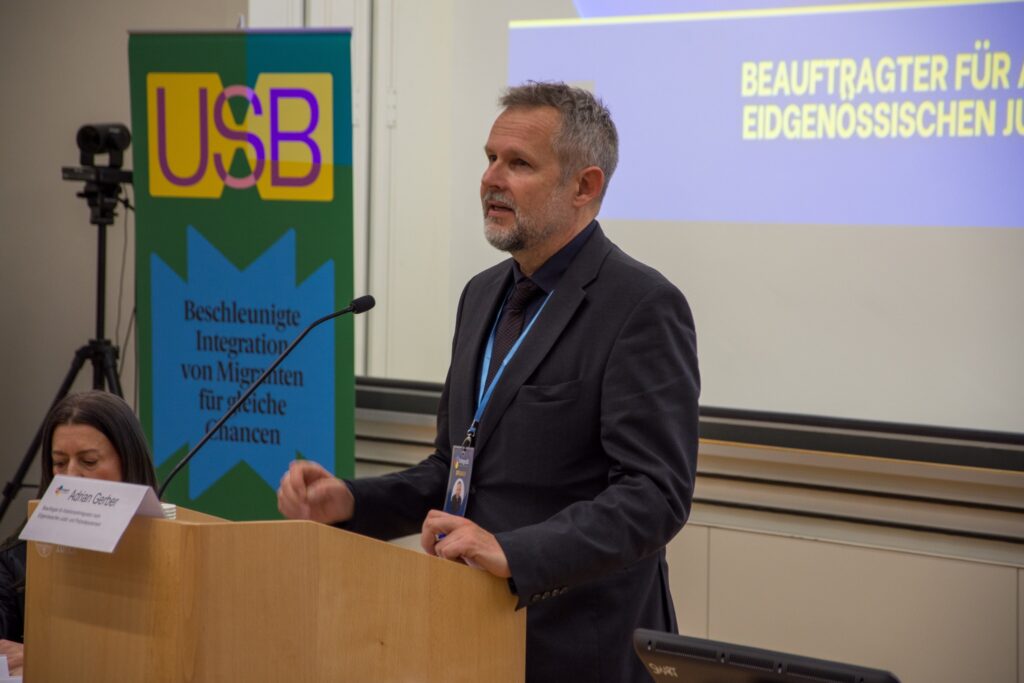
The discussion also highlighted another important issue—the so-called “overqualification” effect. As Adrian Gerber, a specialist at the Swiss Ministry of Integration and Migration, emphasized, “highly qualified job seekers often cannot find appropriate work because employers are unfamiliar with them and cannot assess their qualifications.” This creates a paradox: the country has talented people, but bureaucracy and a lack of trust limit their potential. Here, a balance is needed between employers’ expectations and refugees’ willingness to try internships or temporary positions. This compromise opens the path to long-term integration while reducing risks for businesses.
Language Skills and Social Integration
Equally important is the aspect of language and cultural adaptation. Odoni stressed that language proficiency even at the B1 level “opens far more doors than the absence of communication.” She added that social networks and participation in local clubs and events not only help improve language skills, but also form the basis for professional integration. This confirms a global trend: integration into professional life is impossible without genuine social integration.
Structural Problems and Systemic Barriers
The panel did not overlook structural challenges: the lack of a modern family policy, shortages in psychiatric care, issues of racism, and insufficient communication regarding Protection Status S. As Nina Hilgen noted, “employers often cannot assess the duration of stay of people with Status S,” which creates additional barriers to employment. These structural problems show that even the best integration programs cannot fully compensate for systemic shortcomings. Therefore, successful integration requires work both at the policy level and at the level of individual cases.
Instead of a Conclusion
The panel demonstrated that integrating refugees into the Swiss labor market is possible, but complex. Success depends on three factors. First, information transparency—employers must have clear information about refugees’ qualifications and status. Personalized support is also crucial—job coaching, language courses, and internships help demonstrate candidates’ real competencies. At the same time, social integration should not be overlooked—participation in clubs and networks accelerates adaptation and helps build contacts that often become key to employment.
As moderator Svitlana Prokopchuk concluded, “successful integration is not only about documents and programs, but about first contact, trust, and the willingness of all parties to work together.” This process requires time, patience, and mutual readiness to compromise, but it is the only path toward genuine integration of refugees into Swiss society and the economy.