Text: Anna Sliunchenko
In Switzerland, more and more young people with a migration background want to be heard – but often do not know how to enter politics. Restrictions on political rights, limited access to networks, and invisible barriers hinder their participation, despite a strong motivation to help shape society. At the same time, it is precisely this youth that brings new experiences, different perspectives, and energy for change. To better understand how these challenges can be overcome, USB U.integration in Basel spoke with the experienced politician Paul Gähwiler-Wick.
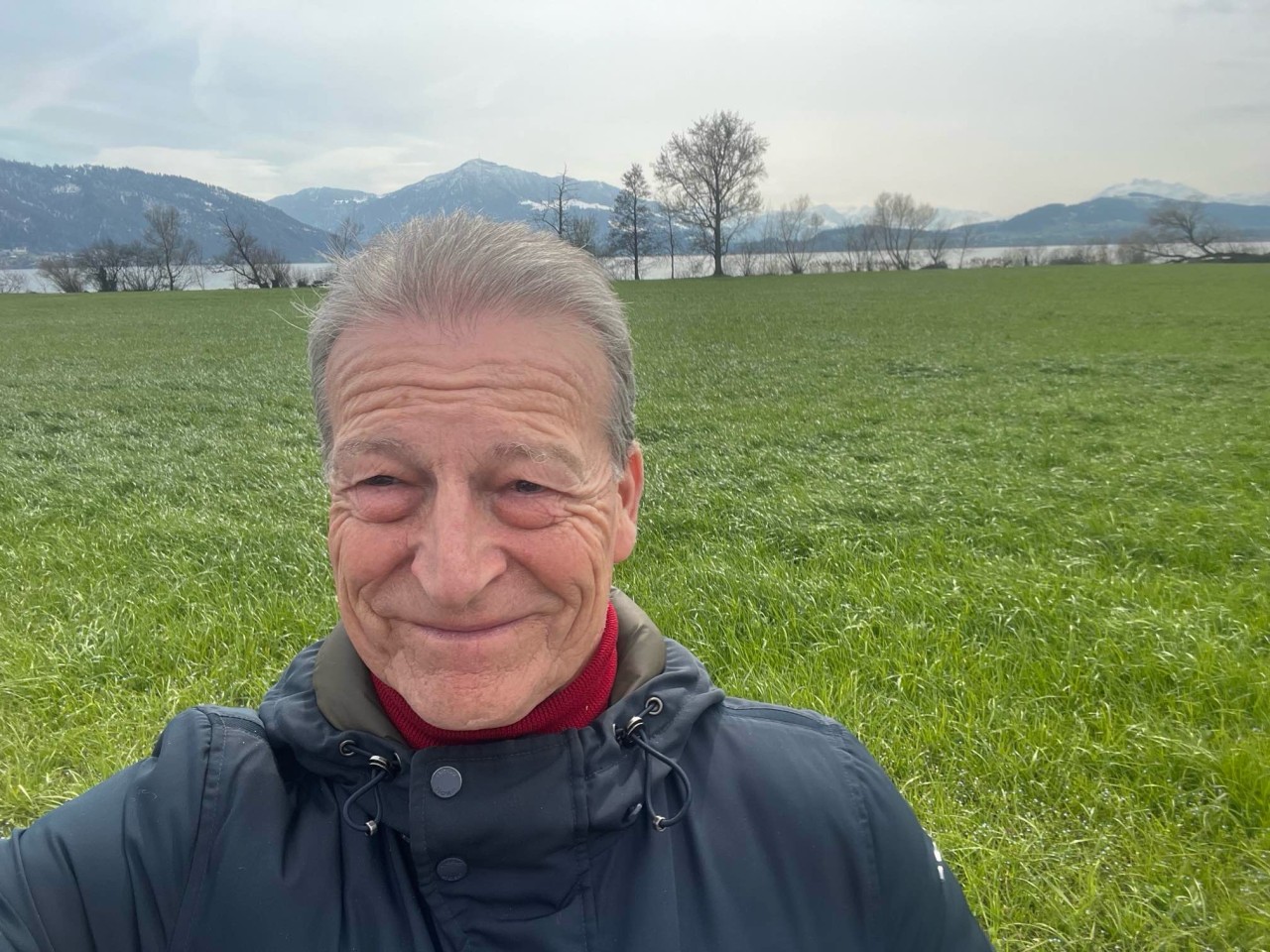
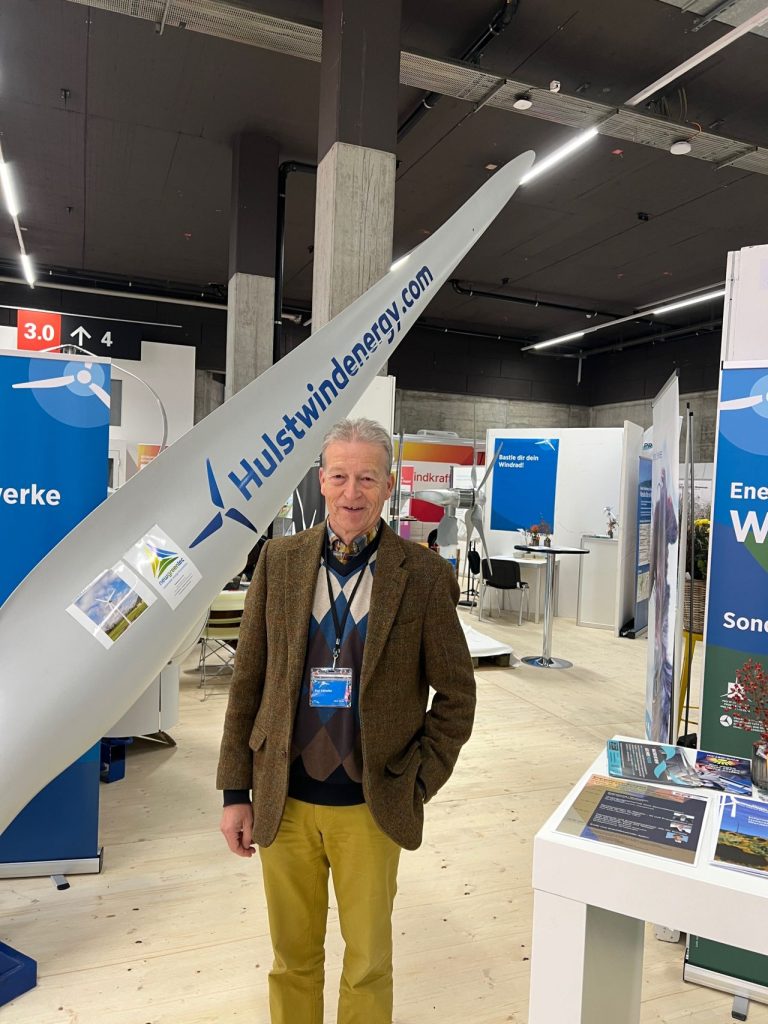
Gähwiler-Wick is a long-standing and committed social actor, former president of the Catholic parish in Uzwil, a member of the parliament of the Catholic Church of the Canton of St. Gallen, as well as an active participant in political and social initiatives. Today, he also supports the integration of migrants at the local level by, among other things, holding weekly German conversation meetings, and is an active member of political and social initiatives (Mitte Party and Operation Libero). Through his work, he understands very well the challenges faced by refugees and therefore gives young people with a migration background concrete advice on how to begin their path into politics.
How did your political journey begin? Would you do anything differently today?
My interest in politics was strongly shaped by my family environment as well as by civic education classes at school. I have always been fascinated by how states function. I am convinced: a democracy only lives when people get involved. That is why I have always maintained an active social attitude. During my work in a trade union, I realized that one can actually make a difference. If I were starting again today, I would begin building networks earlier. At the beginning, I did a lot on my own, but politics requires cooperation.
If you were 15 years old today and new to a city like Basel – what would be your first three steps toward politics?
First, I would get an overview: who is politically active in Basel – parties, youth organizations, initiatives, or movements? Second, I would clarify my own values and see where I feel most aligned. Then I would try to get involved exactly there – ideally together with other young people. Third, I would take initiative myself, for example by organizing an event on a topic that is important to me. This way, you become visible and can engage in conversations with others.
What are the most common challenges that young people – especially those with a migration background – face when they want to get politically involved?
Time and resources are a major issue. Many young people are in education or at the beginning of their professional careers. However, politics requires commitment and energy. In addition, there are structural barriers: those who do not have a Swiss passport cannot vote or participate in referendums. This significantly limits direct political participation. And unfortunately, there are also prejudices. A name or origin can play a role. One has to learn to deal with this – even if it is not easy.
What is particularly important for political participation in Basel?
Community is central. No one should try to be politically active alone. Networks are very helpful – especially today, when social media makes many things easier. It is also important to present topics in a way that reaches many people. Events or actions should be aimed at a broad public.
Many young migrants do not have the right to vote. What concrete opportunities do they still have to influence politics?
Today, there are many ways: participating in campaigns or online petitions, starting your own petitions, contacting politicians to present concerns, engaging in parties or organizations, as well as organizing events and creating public awareness. Even without voting rights, one can build pressure and make issues visible.
What could cities like Basel concretely do to better include young migrants?
Foreign residents could be granted more say in local votes, for example on municipal issues. Second, the naturalization process should be simplified and accelerated – political participation often begins with the right to vote. Third, the city could create an advisory body or a “sounding board” of young people with a migration background so that policymakers receive direct feedback from the community.
What would you advise young people in Basel who say: “I’m interested in politics, but I don’t know where to start”?
Start small – but start. Look for people with similar interests. Explore, ask questions, and get involved. Politics is not something abstract – it begins exactly where you are. Politics often does not start with big decisions, but with small steps.
Photos: https://www.linkedin.com/in/paul-g%C3%A4hwiler-wick/