By Natalia Masechko, Geneva-based representative of Zero Waste Lutsk
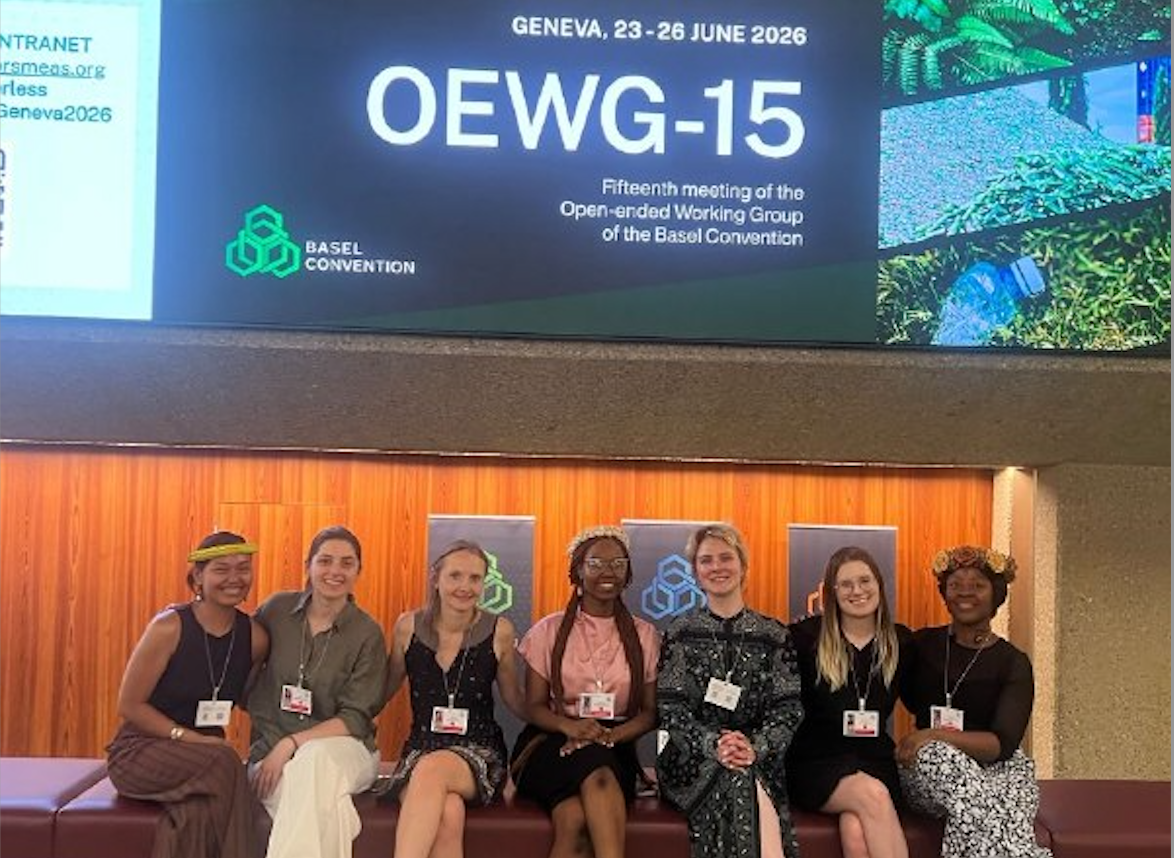
I spent the last week of June at the Palais des Nations and the Centre International de Conférences in Geneva, sitting through sessions most people would find unbearably technical: control systems for plastic waste shipments, destruction thresholds for legacy pesticides, annex categories for equipment contaminated with polychlorinated biphenyls (PCBs). This was OEWG-15 — the fifteenth meeting of the Open-ended Working Group of the Basel Convention, held from 23 to 26 June 2026 — where Parties worked to finalise technical guidelines on plastic waste and on wastes containing persistent organic pollutants (POPs).
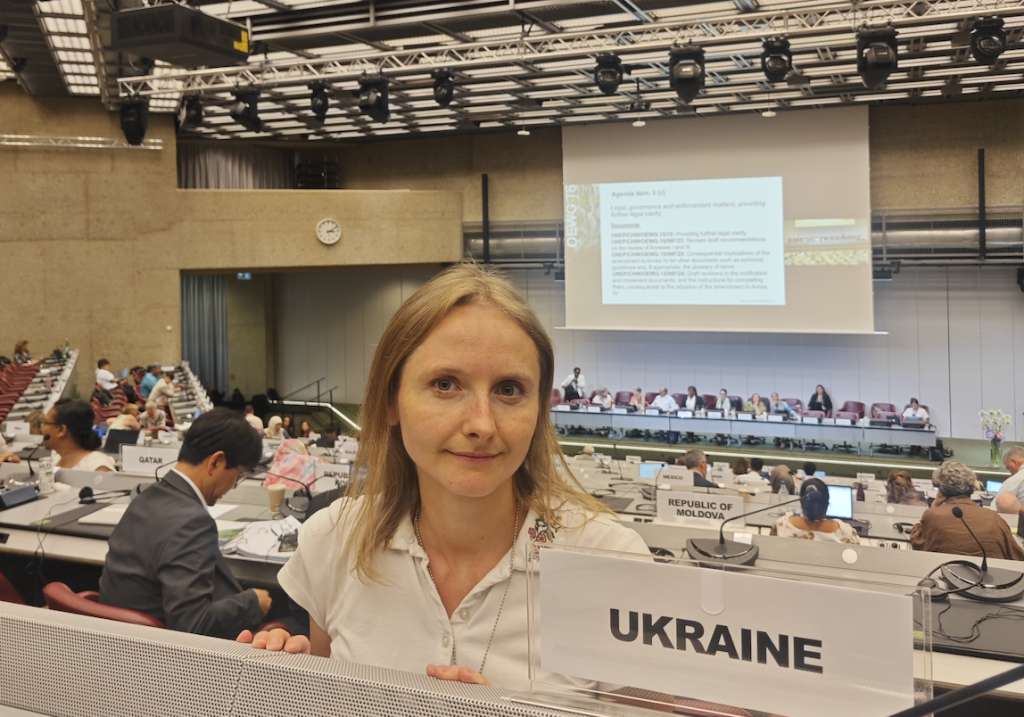
I was there as the Geneva-based representative of Zero Waste Lutsk. And at the centre of my week was the side event I moderated: “Envisioning a Children and Youth Engagement Strategy and Action Plan for the BRS Conventions: Lessons Across the MEAs and Priorities from Youth-Led and Youth-Serving Organizations.”
Putting youth at the centre of chemicals and waste governance
The premise of our side event was simple: the Basel, Rotterdam and Stockholm (BRS) Conventions make decisions whose consequences unfold over decades — and the people who will live longest with those consequences are the ones least represented in the negotiating rooms. Other multilateral environmental agreements, from the climate and biodiversity conventions onwards, have already built structured mechanisms for children and youth engagement. The chemicals and waste cluster is still catching up.
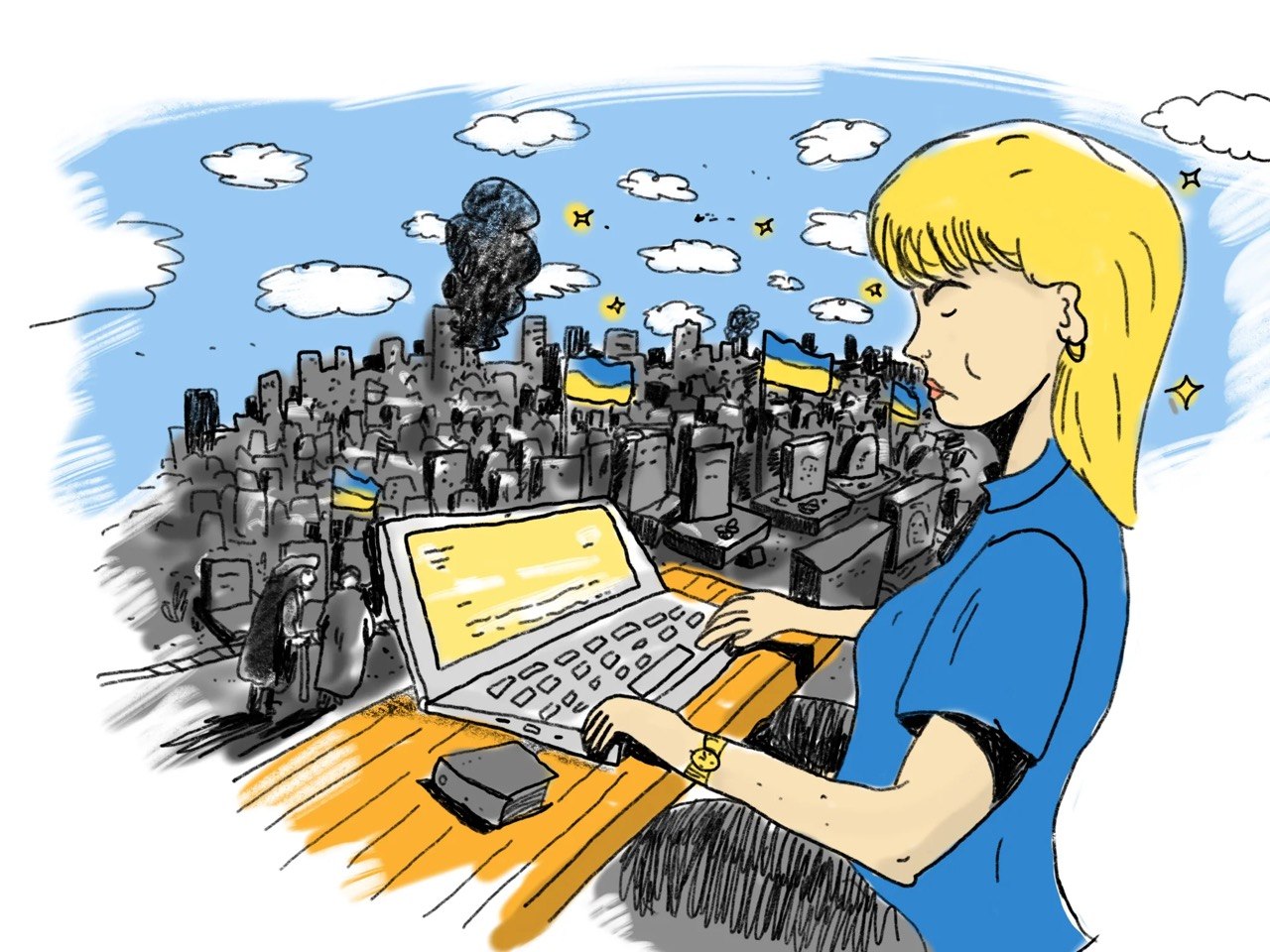
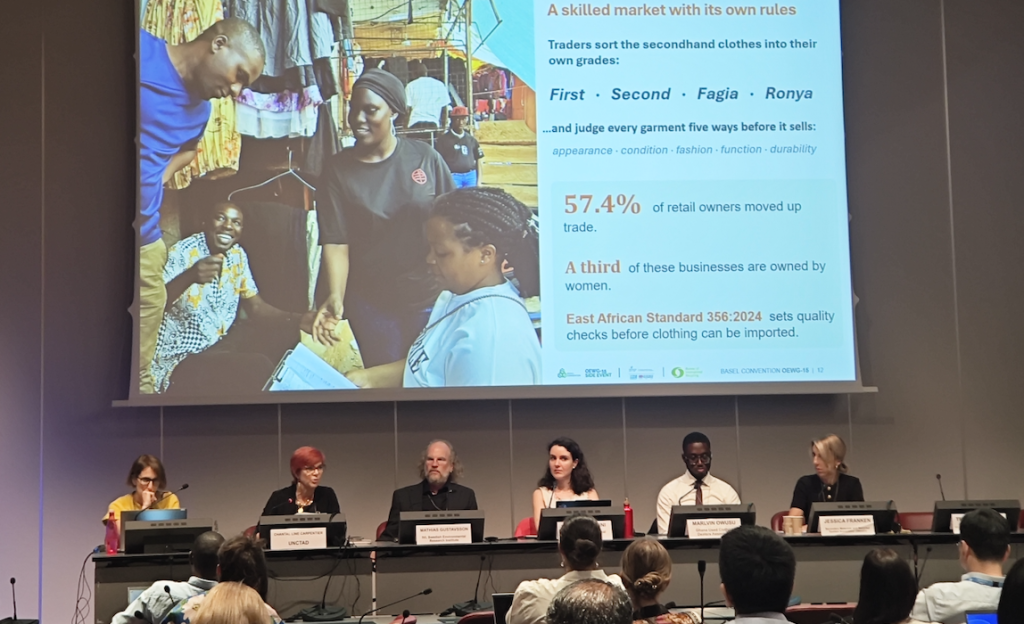
Our discussion brought together delegates, technical experts, and representatives of youth-led and youth-serving organisations to look at what has worked across other MEAs, and to identify concrete priorities for a Children and Youth Engagement Strategy and Action Plan for the BRS Conventions. The message from the room was clear: youth engagement cannot mean symbolic seats and photo opportunities. It means access to the technical substance — training, mentorship, and a real role in the working groups where guidelines are actually written. Young environmental professionals in countries like Ukraine are already doing this work on the ground. The question is whether the international process opens its doors to them upstream, where the rules are made, or only downstream, where the consequences arrive.
We also discussed how these guidelines translate into practice for countries managing both legacy contamination and conflict-related environmental damage — a combination that, as I reminded the room, very few Parties are currently confronting at the scale Ukraine is.
Why “technical guidelines” are anything but bureaucratic noise
People hear “technical guidelines” and assume it is bureaucratic noise. It is not. These documents are the actual instructions for how you safely identify, store and destroy old PCBs and obsolete pesticides — the kind of contamination Ukraine has had sitting in the ground since Soviet times, now joined by new contamination from destroyed industrial sites and transformers. If you get the guideline wrong, you get the cleanup wrong.
Two files were on the table this week. The first was UNEP/CHW/OEWG.15/6, the working document on plastic waste under the Convention’s 2019 Plastic Waste Amendments, which established the control system for plastic waste trade and the Plastic Waste Partnership. The second was the general technical guidelines on POPs waste (UNEP/CHW/OEWG.15/INF/4), alongside more specific guidance on pesticide POPs, PFOS/PFOA, dioxins and PCBs, and HBCD.
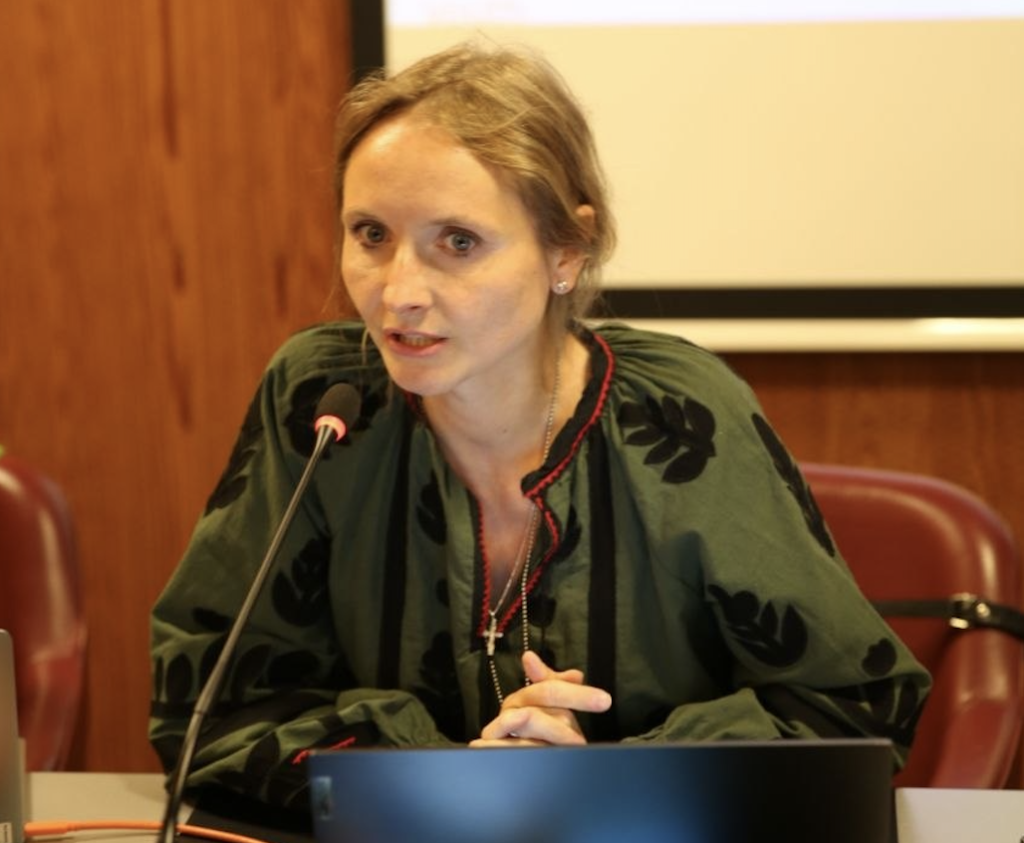
For plastic waste, what is decided in Geneva is essentially the same rulebook the European Union already applies through its Waste Shipment Regulation. So when Ukraine works with these standards now, it is not a separate track from EU accession — it is the same track. That is the part people on the ground do not always see, because it looks like a UN process happening far away. It is actually preparation.
Zero Waste Lutsk: where this work lands
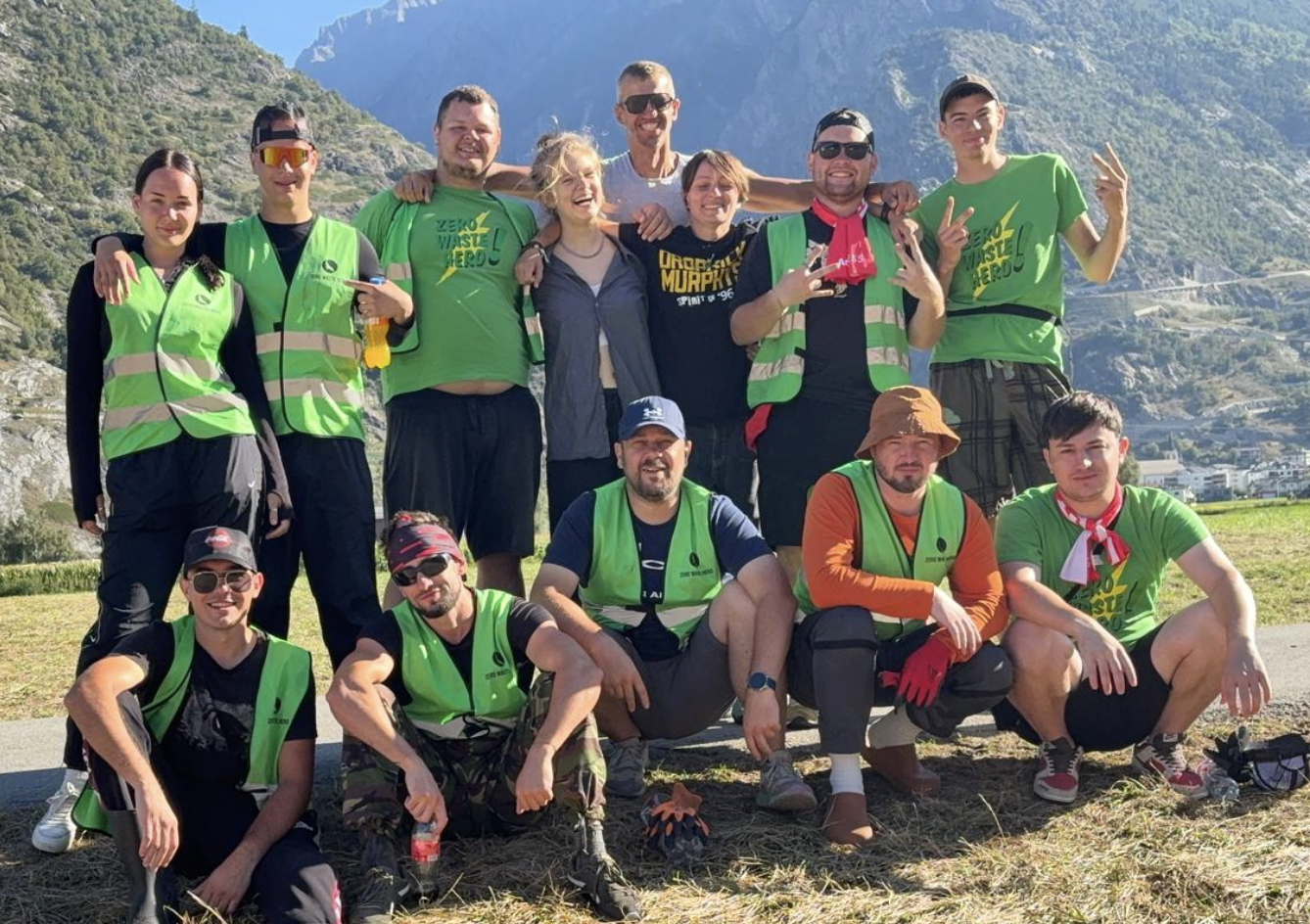
Everything I do in Geneva connects back to Zero Waste Lutsk, a Ukrainian environmental organisation that has built one of the country’s more advanced municipal partnerships on waste management. Working closely with Lutsk’s city administration, we have helped shape the city’s Waste Strategy — moving Lutsk toward Zero Waste Certified City certification, with an ambitious goal of reducing household waste from the current 320 kg to 120 kg per person per year by 2027. The strategy is built on separate collection, reduction targets and more transparent waste data, and it keeps residents and local businesses part of the process rather than treating waste policy as something imposed from above.
That municipal partnership is the foundation I draw on in international negotiations. The technical standards being finalised at OEWG-15 are not abstract to me — they are the framework Lutsk will eventually apply as it implements its own strategy, particularly on anything involving plastic waste trade or POPs-contaminated sites. And it is exactly the kind of work where the next generation of Ukrainian specialists needs to be trained now — which is why the youth engagement agenda and the technical agenda are, for me, the same agenda.
What comes next
Through USB Expert, this work is being followed closely so that the technical substance — not just the headlines — reaches Ukrainian environmental practitioners working on reconstruction and EU alignment. Together with USB, we are also exploring a partnership with organisations in Switzerland, with the aim of channelling Swiss know-how in waste governance, contaminated-site management and municipal strategy implementation directly into supporting Lutsk as it puts its Waste Strategy into practice.
What I want people in Lutsk to know is this: sitting in these rooms in Geneva is not separate from what is happening in our city. It is the same work, just done a few steps upstream — where the rules we will all live by are written, and where young people deserve a seat at the table while the ink is still wet.
#USBExpert #KnowHowTransfer #BaselConvention #OEWG15 #Ukraine #ZeroWasteLutsk #EnvironmentallySoundManagement #ChemicalsAndWaste #YouthInPolicy #EnvironmentalGovernance #WasteManagement #CircularEconomy #InternationalNegotiations #Sustainability