On the customer journey, the thirty second rule, and what moving to a new country taught a UX designer
Text: Liubov Kulyk, UX/UI designer at MitU, USB’s marketing hub
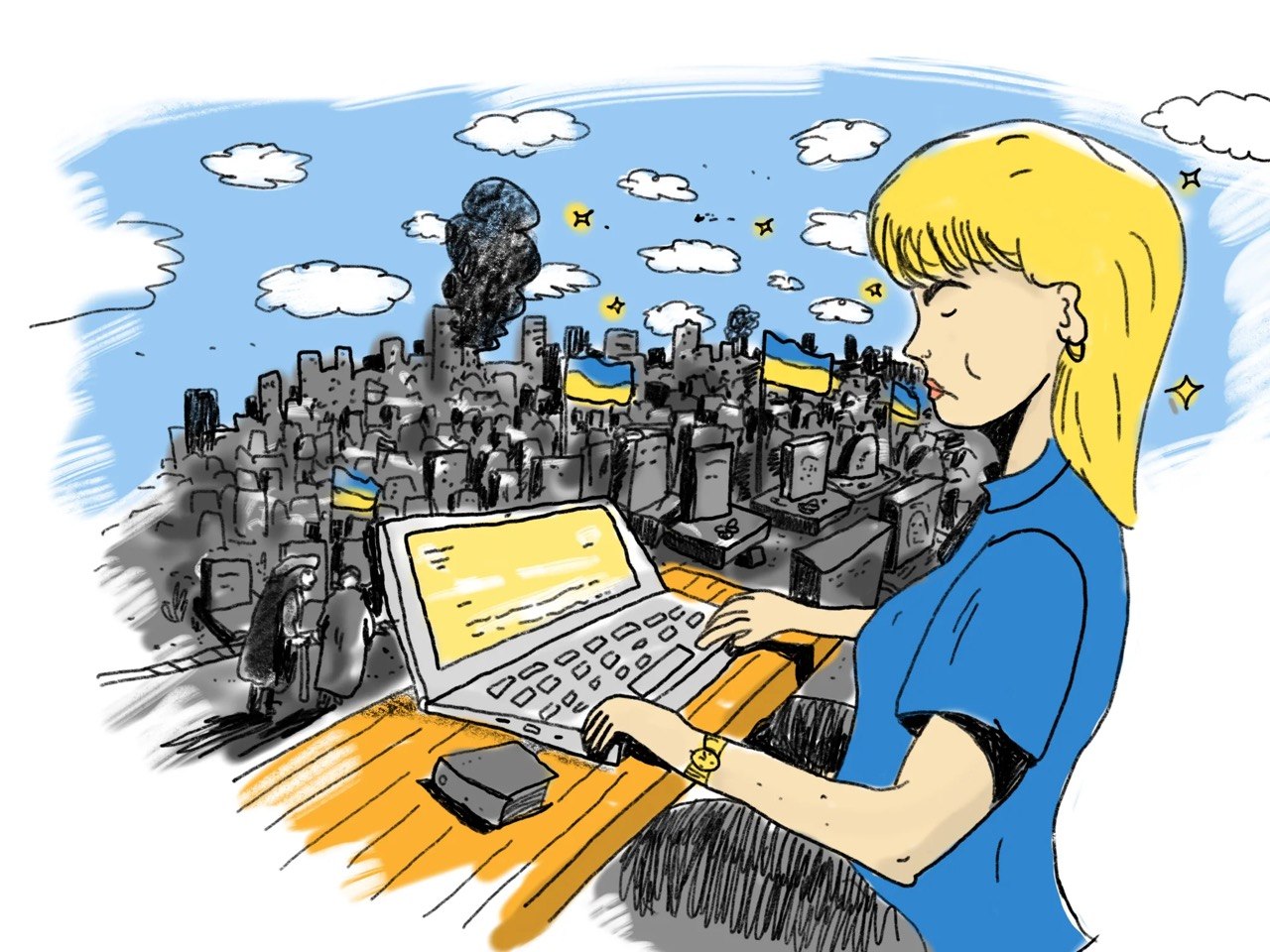
When someone arrives in a new country for the first time, even the simplest things suddenly become complicated. Buying a ticket, booking a doctor’s appointment, filling out a form, understanding an unfamiliar website, or finding the right door: all of it turns into a small ordeal. That’s when I first truly began to think about how much depends on whether the world around you makes sense.
My professional motto is simple: I turn complexity into clarity. I help transform complex ideas, products and information into experiences that people easily understand and confidently use. But to me, UX is much more than interfaces or beautiful screens. It’s about respect for people. About wanting to make their path a little easier.
I love it when a service works so naturally that people don’t even think about how to use it. Good design is almost invisible. It doesn’t draw attention to itself, but quietly guides the user forward while also telling the brand’s story.
Who I am
My path into design was anything but straight.
I was born in Mykolaiv. My first profession was photography, followed by publishing and journalism. For eight years I taught photography at the Mykolaiv College of Technology and Design, and it was teaching itself that taught me the most important thing: how to explain complexity simply.
It was never enough for me just to make something beautiful. I wanted to understand why it worked. Why one colour builds trust and another doesn’t. Why people easily find one button and miss another. Why some solutions feel natural while others make you stop and think. That curiosity gradually led me to UX, user psychology and customer experience research.
Over the following ten years, I worked with international teams in Ukraine, the US, Israel and Switzerland. Countries, projects and industries changed, but one question always stayed with me: how do you make something complicated simple for people.
In 2022, the war brought me to Switzerland.
My first job here had nothing to do with design: I worked in a hotel. Today I remember that period not as a dramatic chapter, but as an important experience. That’s when I felt, especially sharply, what it means to find yourself in a system where you know nothing yet. How much it matters when you’re met with clear processes, simple instructions, kindness and human warmth. That experience changed my view of design forever.
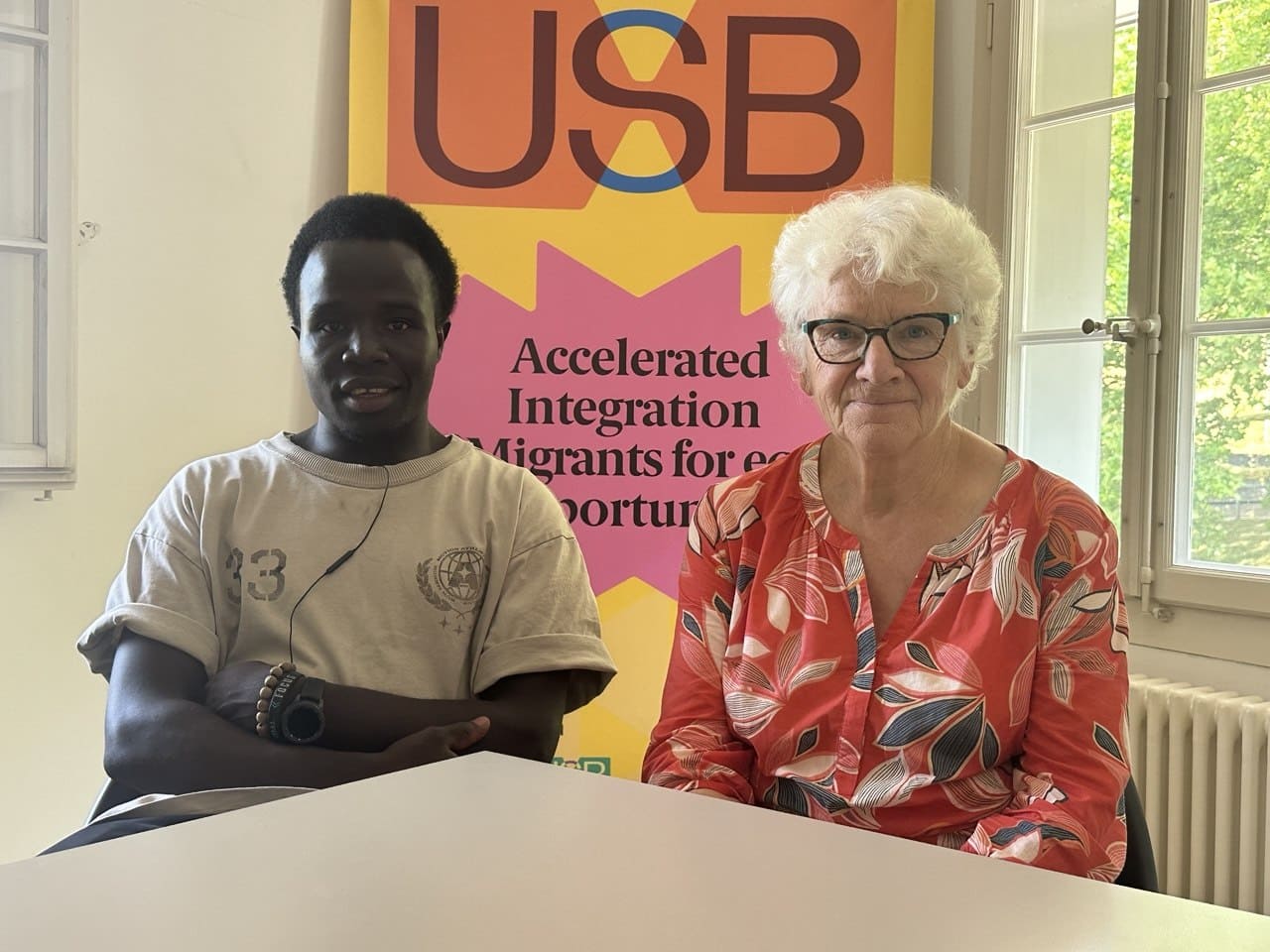
My way back into the profession opened through Powercoders, a Swiss programme for integration into IT. That’s where I felt, once again, that I was in the right place. First Swiss projects, new connections, training, practice: step by step, I returned to UX.
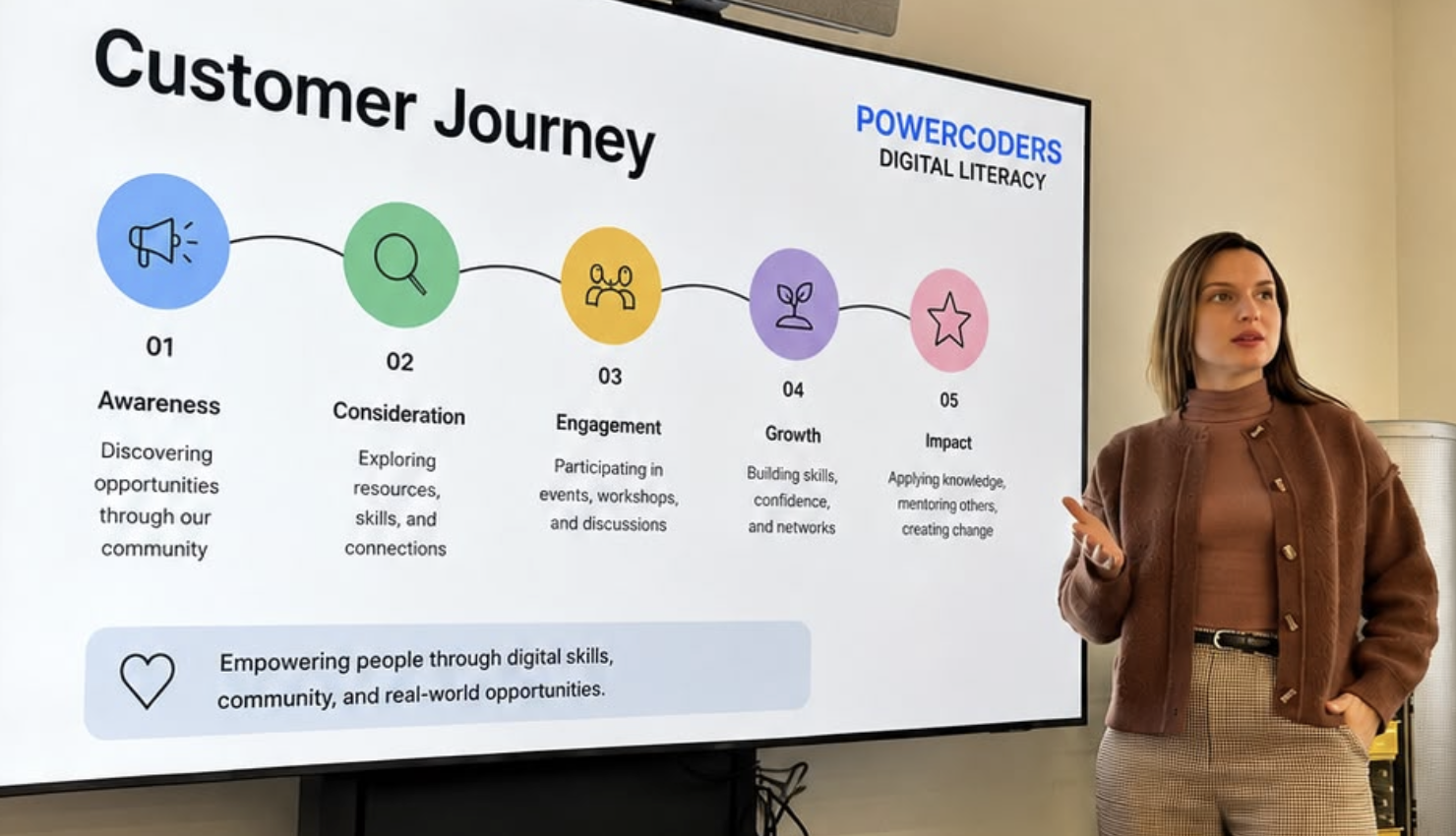
Today I design digital products for a Swiss marketing agency and teach digital skills at Powercoders myself. To me, that feels deeply symbolic: teaching was once the start of my professional path, and today it remains an important part of it.
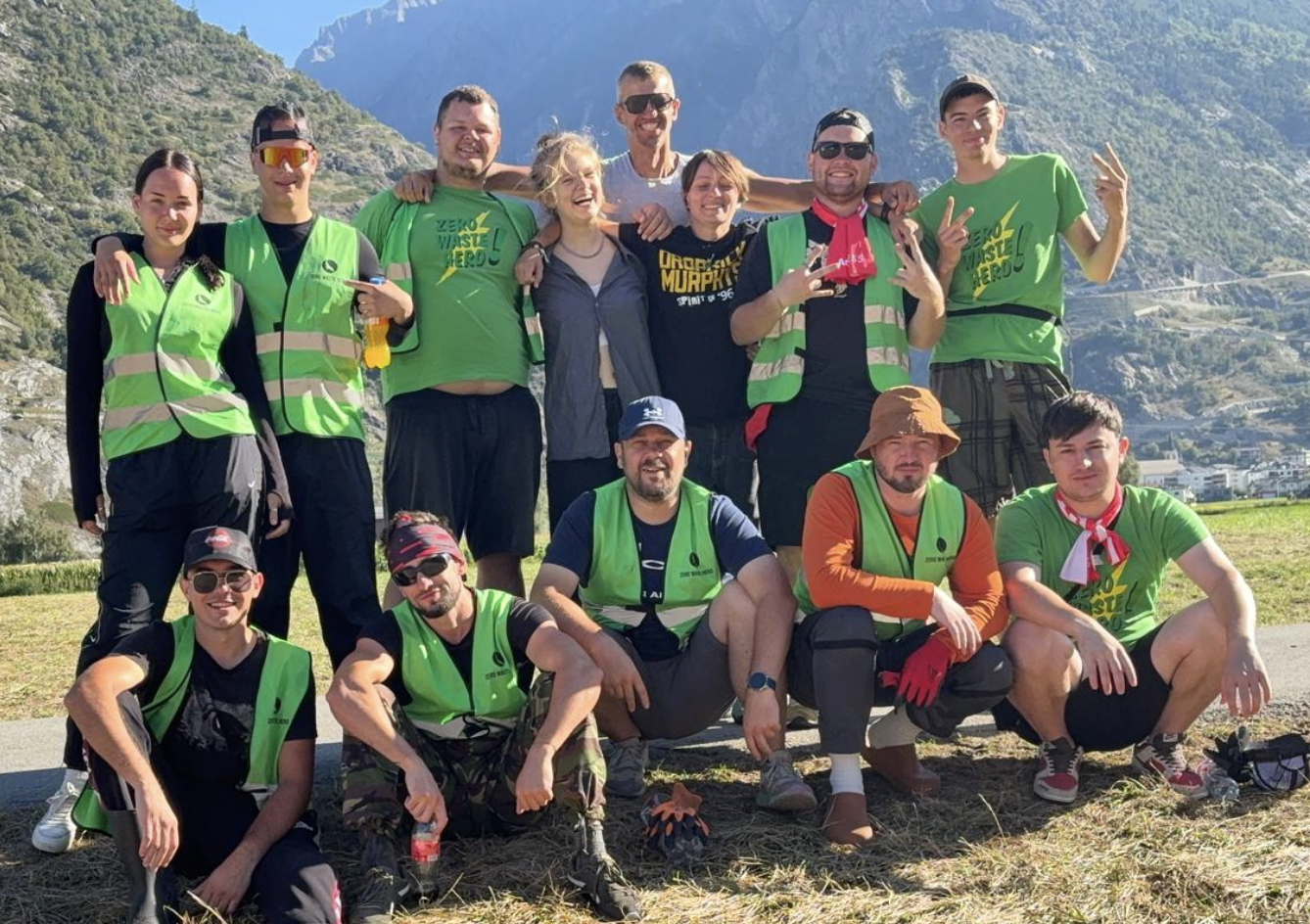
Since 2024, I’ve volunteered as a marketing specialist at the Ukrainian association in Bern. That’s where, during a programme on civic engagement and social entrepreneurship, I met marketing strategist Mariia Baldina and designer Svitlana Bielova.
That’s how MitU was born.
We’re very different, but we share one vision: for a good business, it’s no longer enough to treat marketing, design and a good product as separate things. The best results happen when strategy, visual communication and customer experience work as a single system.
At MitU, my area of responsibility covers everything a person feels while interacting with a brand. The first encounter. The first impression. The first click. The first doubt. And that moment when a random visitor becomes a loyal client.
What a customer journey map is, and why it’s worth drawing one
A customer journey map is a map of the client’s journey: every step a person takes from their first need to their return visit. It’s not just about touchpoints or behavioural scenarios. It’s about emotions, expectations, doubts and the small decisions people make along the way.
A business usually knows its product very well. But it rarely sees it through the eyes of someone experiencing it for the first time.
I often catch myself asking a simple question: “Why make this complicated?”
Most complex processes can be made much simpler if you look at them, even for a few minutes, through the eyes of a new user.
Eight steps for Palae
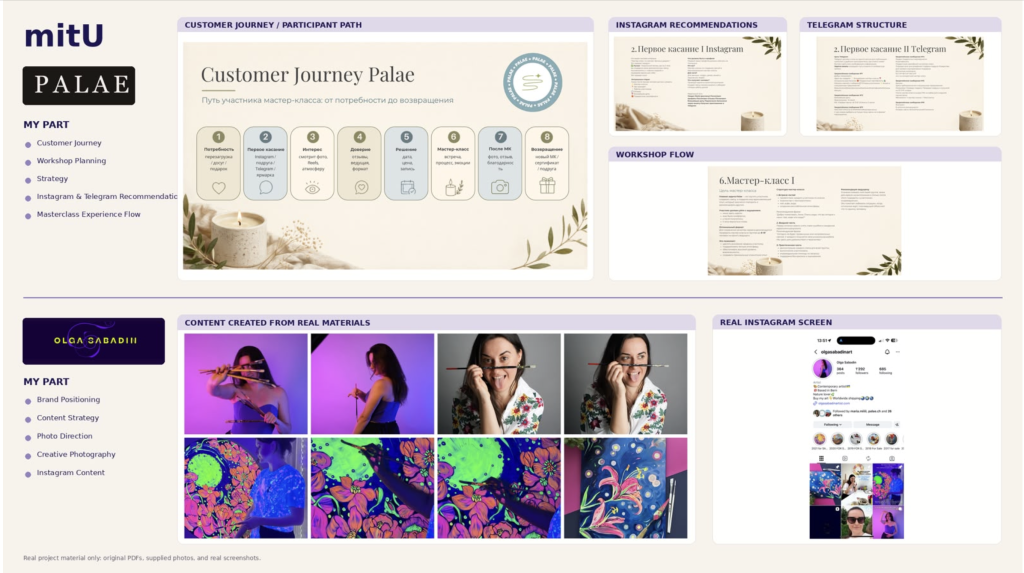
This approach revealed itself most fully in one of our projects: for Palae, a brand of handmade candles and creative workshops in Bern.
At first glance, this was a business about candles. But after the first conversations, it became clear that people weren’t coming for the candles at all.
They come to breathe out after a difficult week. To spend an evening with a friend. To try something new. To feel that they can create something beautiful with their own hands. The candle is just the outcome. In reality, people are buying an emotion, an experience and memories.
That’s why we built a complete customer journey map, from the first thought “I want to go” to the moment someone comes back again. We looked not only at actions, but also at the questions, doubts, expectations and emotions that accompany every stage.
It quickly became clear that a lot could be made simpler. People shouldn’t have to spend time searching for when a workshop is, how much it costs, or how to sign up. If that information has to be dug out of dozens of posts or messages, we’ve already created an unnecessary barrier.
In my work, I often come back to a simple rule: if a user is forced to stop and think, it means we’ve made their path more complicated somewhere.
So we restructured the communication so the most important answers were right there. And after signing up, people immediately received a message that didn’t just confirm the booking, but helped them feel calmer even before the workshop began.
Just as important turned out to be what happens after the event itself. A thank you, photos, a warm message, an invitation to come back: that’s exactly the moment when what’s created isn’t a sale, but trust. And very often, it’s that trust that decides whether a random visitor becomes a regular.
These are exactly the kinds of projects I love. They’re a reminder that design doesn’t start with colours, fonts or buttons. It starts with understanding people.
Not just maps
Every project raises new questions.
Working with artist Olha Sabadin, we analysed her website from a completely different angle: can a collector easily find the information they need, are the works presented clearly, does trust build before the first contact. A photoshoot was also part of the project: here, my first profession came in handy again.
That’s exactly what I love most about this work. Constantly learning. Diving into new subjects. Quickly getting to grips with unfamiliar areas, finding what matters most, and turning complexity into an understandable system.
That’s probably my main professional superpower.
Why I do this
Over the last few years, I’ve come to understand that in both life and work, trust, comfort, stability and a good reputation matter far more to me than chasing big achievements or status.
I like working with people who keep their promises. I live by that principle myself: if I’ve promised something, I’ll deliver it. To me, that’s exactly how trust is built, between people, and between a business and its clients.
That’s exactly why I will never agree to work on a product I don’t believe in myself, or to help promote something that could harm people. Design shouldn’t just solve business problems. It should stay honest.
It often seems to me that UX is a lot like a good conversation.
When someone listens carefully, explains clearly and doesn’t make you guess at important things, being around them feels easy. A good digital experience works the same way. It doesn’t draw attention to itself. It simply helps a person move forward with confidence.
Those are exactly the kinds of projects I want to create.
Projects after which people don’t think, “What great design.” They think something else entirely: “How simple and clear that all was.”
And that, to me, is probably the best compliment there is.
I believe good design isn’t about adding more. It’s about removing what’s unnecessary, creating clarity, and leaving room for what matters most: the person.