Text: Svitlana Manzer
A language club has been operating in the picturesque Swiss town of Spitz for over a year, helping not only Ukrainians but also people of other nationalities to integrate. The club was initiated by Iryna Vasilyeva, Olena Horkovets, and Iryna Gazhaman, who sought to create an environment where people could not only improve their spoken German, but also receive support in adapting to a new life.
The Swiss as language tutors
One of the club’s main features is that the classes are conducted by Swiss volunteers. Among them are Hansrudolf Indermühle, who is interested in Ukraine and the Ukrainian language, Urs Sulser, who lived and worked in Kyiv, and Anna Haueter, who regularly prepares educational materials for participants.
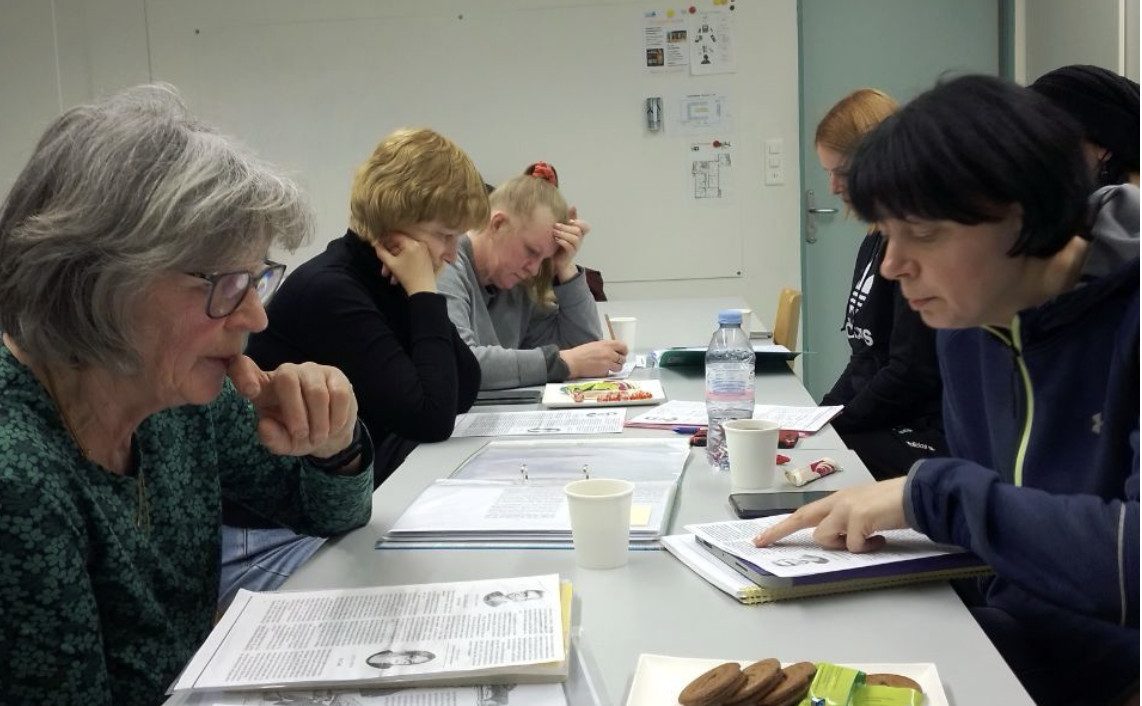
Each of the tutors has their own unique teaching style. Hansrudolf introduces visitors to the history and culture of Switzerland, often talking about local traditions and customs. Urs uses interactive games that encourage active conversational practice, and Anna brings articles and texts that participants read, translate, and discuss.
How are the meetings going?
The language club meets every Tuesday from 6:30 p.m. to 8:30 p.m. The format of the meetings is not traditional lessons – it is more of an informal communication during which participants get acquainted with the language in a natural environment.
Mentors work completely free of charge, spending their time to help people adapt better. They not only share knowledge, but also advise on adaptation issues and familiarize newcomers with local realities.
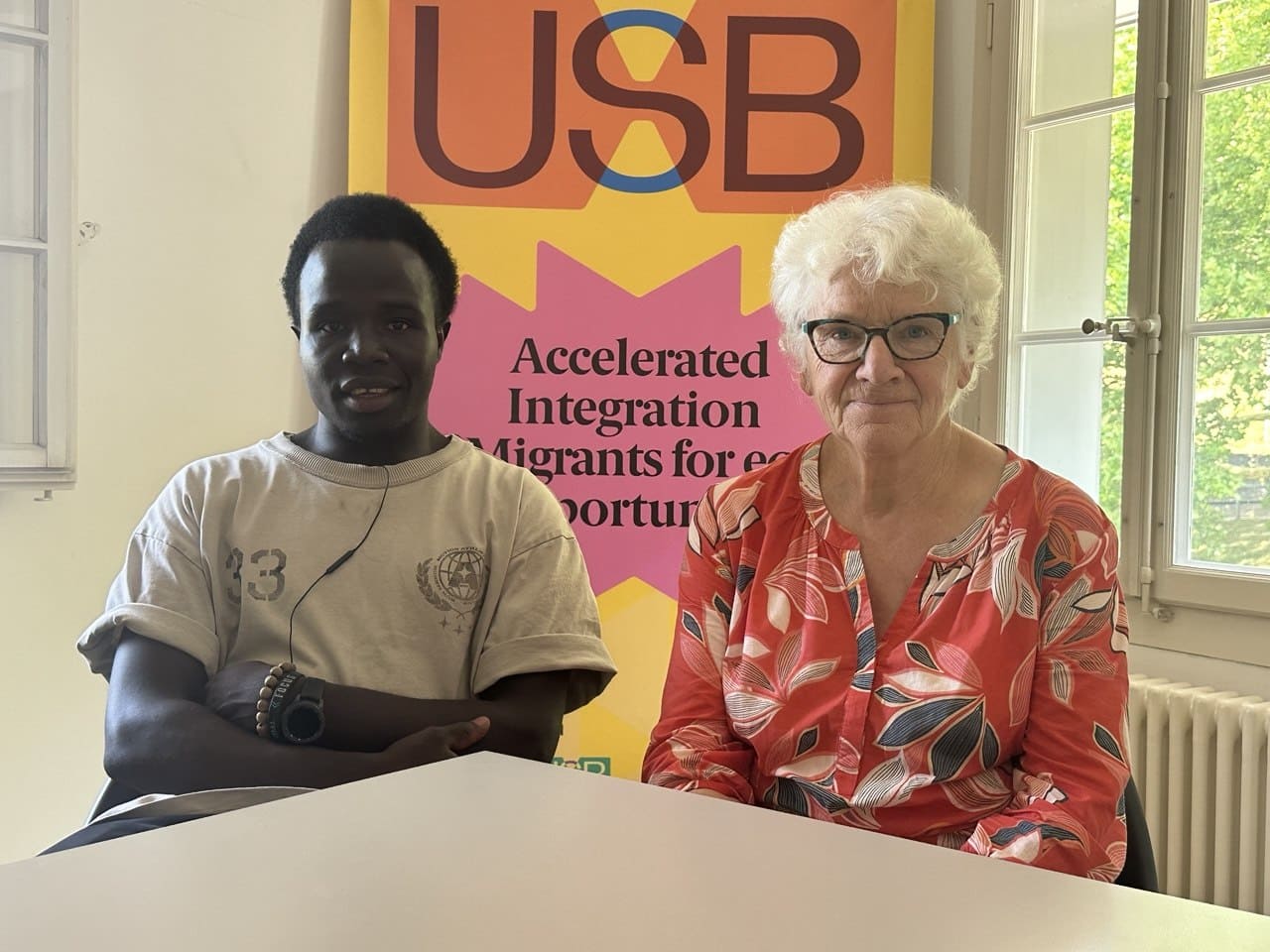
The club’s main audience is Ukrainians who were forced to leave their country due to the war. However, recently, representatives of other nationalities have also joined the meetings – for example, a woman from Syria who works in a local hotel. Anyone who wants to improve their German and find support is welcome to join.
Language support as a path to integration
The organizers are convinced that communication with native speakers is the key to rapid integration. Thanks to direct contact with the Swiss, participants not only learn the language, but also better understand local traditions and society. In addition, some volunteers helped Ukrainians find jobs, focusing on their skills and desires.
The language club in Spitz is not just a place to learn German. It is a community where people support each other, help each other adapt and make friends in a new country. The volunteer work of the Swiss is a great example of how caring and a desire to help can change the lives of others for the better.