By Olena Krylova
Finding safety is only the first step after fleeing war or persecution. Building a life again takes much longer.
At Fiererfeld, Bern’s temporary accommodation centre, people from different countries, cultures and backgrounds are trying to do exactly that. Some arrived only weeks ago. Others have been waiting for months for a decision on their protection status. What they share is the challenge of creating a sense of normality while living with uncertainty.
For many, waiting is one of the hardest parts of displacement. It is difficult to make plans, learn the language or think about work and education when tomorrow remains unclear. Yet life does not stop. Every day still offers an opportunity to learn, connect and regain confidence.
This is where USB’s work begins.
With the support of the Ukraine Hilfe Bern Foundation, USB provides psychosocial support and practical guidance to residents of Fiererfeld, helping people navigate everyday life while creating opportunities to meet others and become part of the local community.
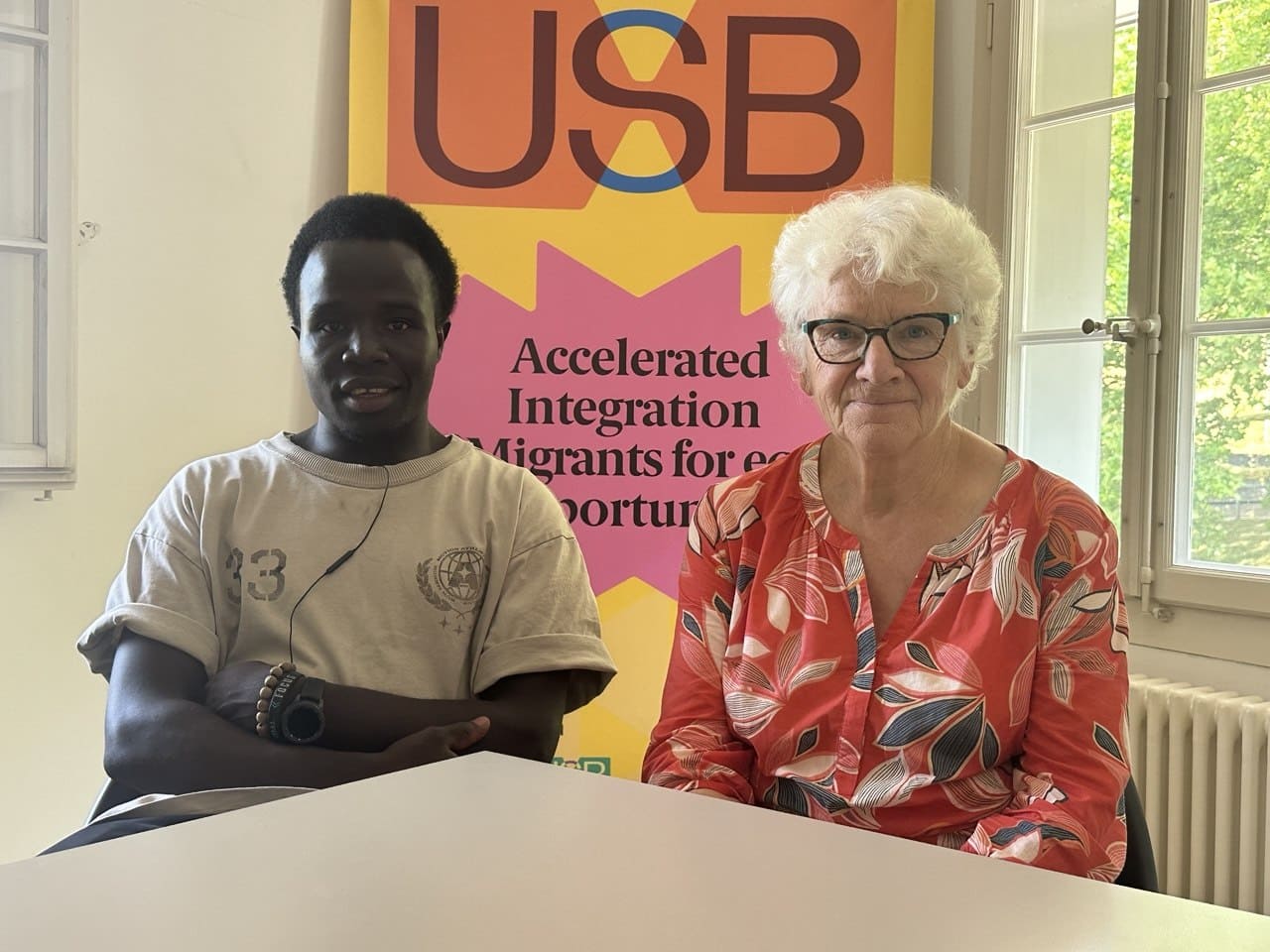
“A residence permit and financial assistance are essential,” says Svitlana Manzer, psychotherapist and Head of Integration Projects at USB. “But they are only the beginning. People also need to feel that they can shape their daily lives, make decisions and regain a sense of purpose. Integration does not start once everything is settled. It starts when people begin to feel that they have a future.”
The needs of residents vary widely. Some have only just arrived in Switzerland and are trying to understand how different public services work—from healthcare and education to housing and social support. Others have lived in the centre for much longer and are struggling with the emotional strain of prolonged uncertainty.
That is why support goes beyond information.
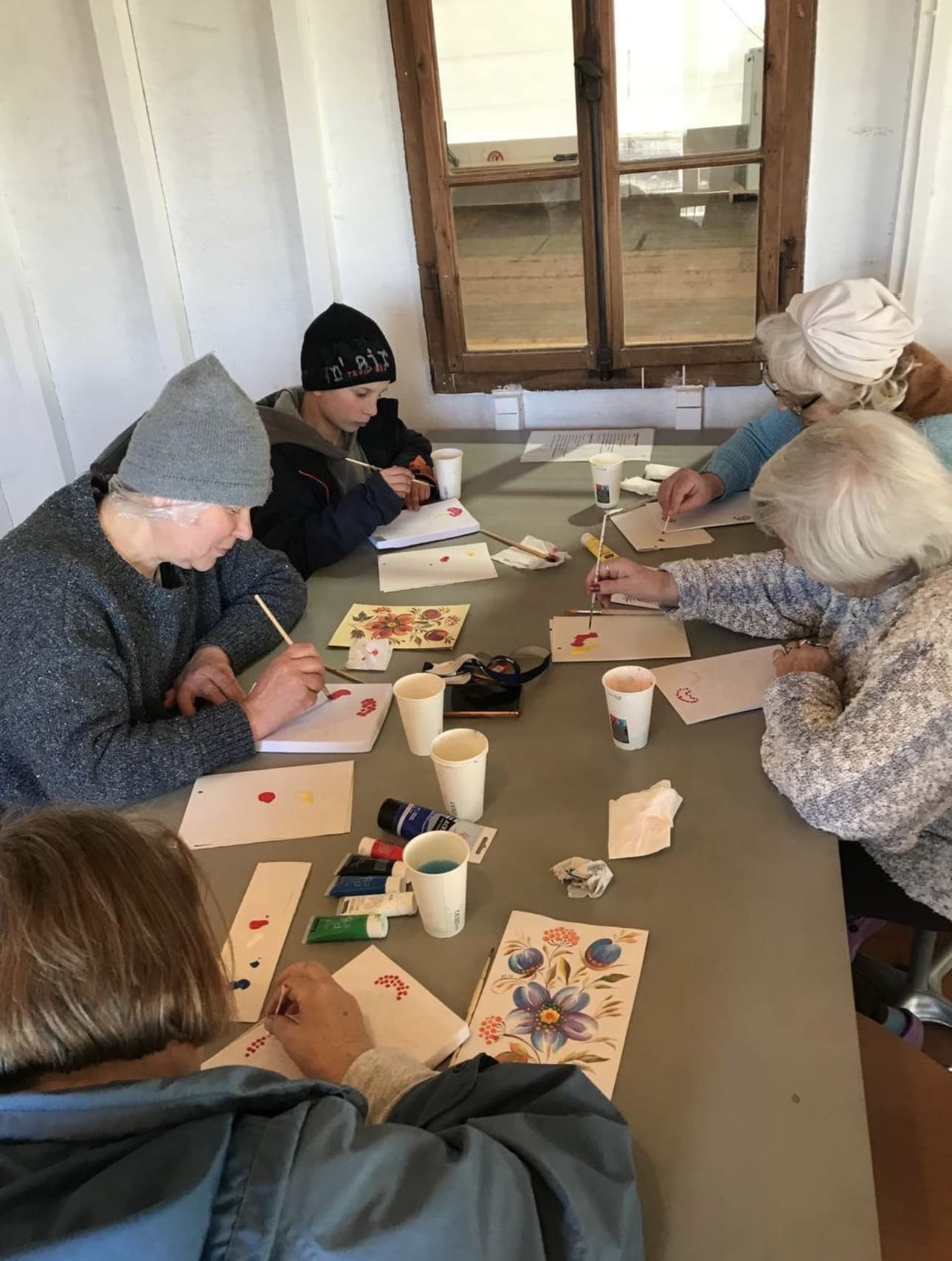
Creative workshops, informal gatherings and community activities give residents an opportunity to meet one another, reduce isolation and rebuild routines. Current activities include workshops in traditional Petrykivka painting, where participants can express themselves creatively while sharing stories and experiences in a welcoming environment.
Alongside these activities, residents also have access to multilingual information materials, individual counselling and psychotherapeutic support for those coping with trauma or difficult life experiences. The community meetings are further supported by the Roman Catholic Parish of Bern and the Region.
Integration is often understood as a legal or administrative process. In reality, it happens in everyday life—in conversations, shared activities and the confidence that grows when people realise they are no longer facing uncertainty alone.
A home is more than a place to sleep.
It is a place where people begin to believe that tomorrow can be different from yesterday.