Text: Svitlana Prokopchuk
In Switzerland, which is often perceived as a country of equal opportunities, women still face inequality, violence, and barriers in the labor market. This is especially noticeable for migrant women who are forced to rebuild their lives from scratch. Daniela Lutz, President of the Zonta Club Bern (May 2024 to May 2026), speaks about challenges, solidarity, and the power of female support. The organization helps women find their place in society and assert their right to a dignified life.
The Zonta Club Bern supports both local and international projects. How do you decide which initiatives receive priority? International projects are presented by Zonta’s international board. Most are implemented together with UNESCO and UNICEF and primarily focus on the education of girls and women, their professional integration, and their economic and political participation. One project, for example, aims to prevent child marriage and combat female genital mutilation. A tool within this program is a chatbot through which girls from different countries can anonymously ask questions about menstruation, sexuality, mental health, or equality.
The most important national Swiss project is the financial support of a prize awarded every two years. It recognizes outstanding scientific work by a woman in the fields of energy, artificial intelligence, quantum physics, or related research areas. A jury reviews the applications and selects the most deserving candidate.
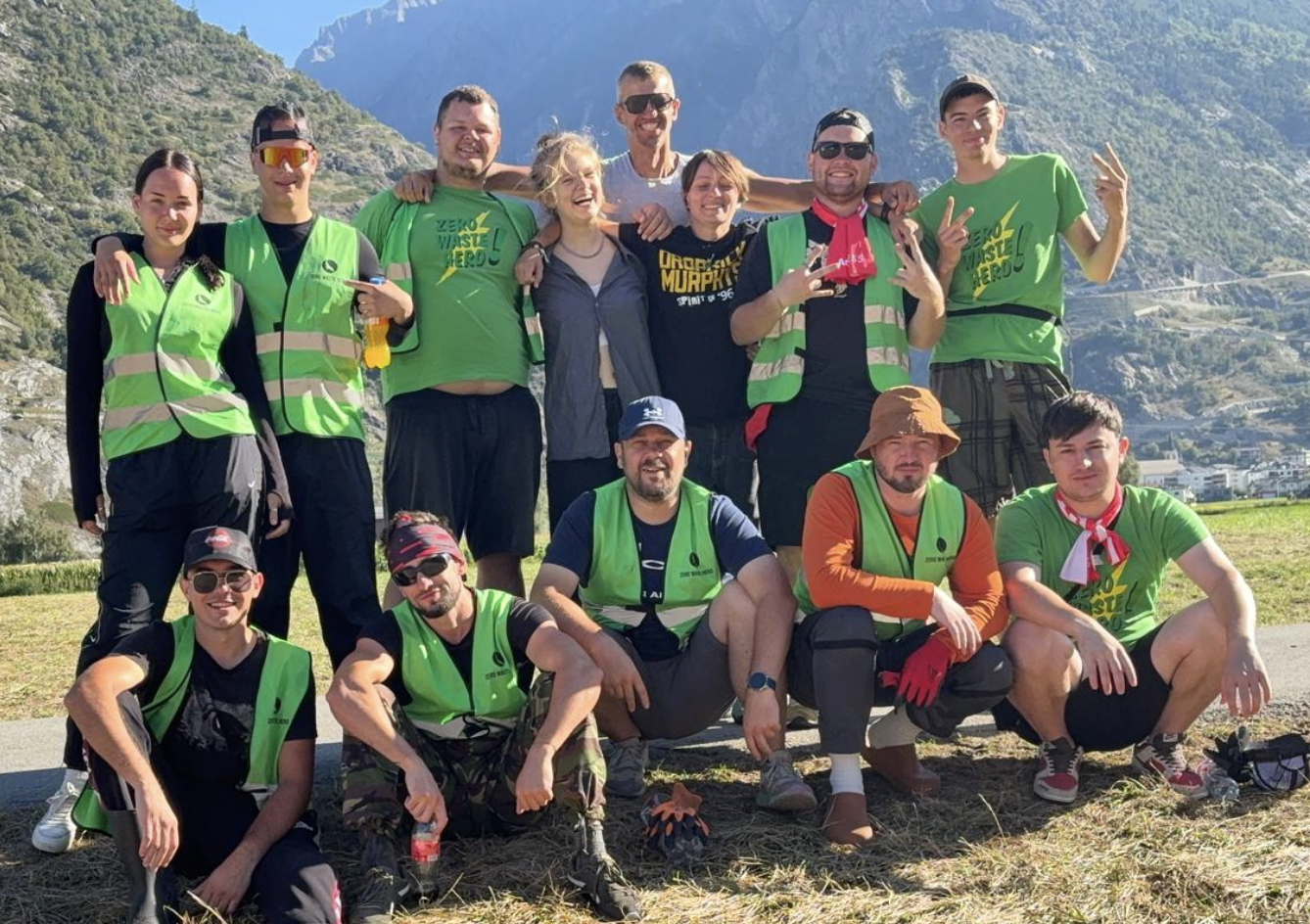
Local projects are selected differently. A group of women from our club reviews applications. The main condition is that the projects must benefit women who do not have access to other forms of support and who generally receive little help. One such project was the founding and direct support of Ukrainian women in cooperation with the USB association immediately after the outbreak of the war. We also supported the organization Karibu, which offers migrant women German courses as well as cycling and swimming lessons. There are also smaller projects, such as support for Kaleio, a magazine for girls aged eight and older that aims to strengthen their independence and self-confidence.
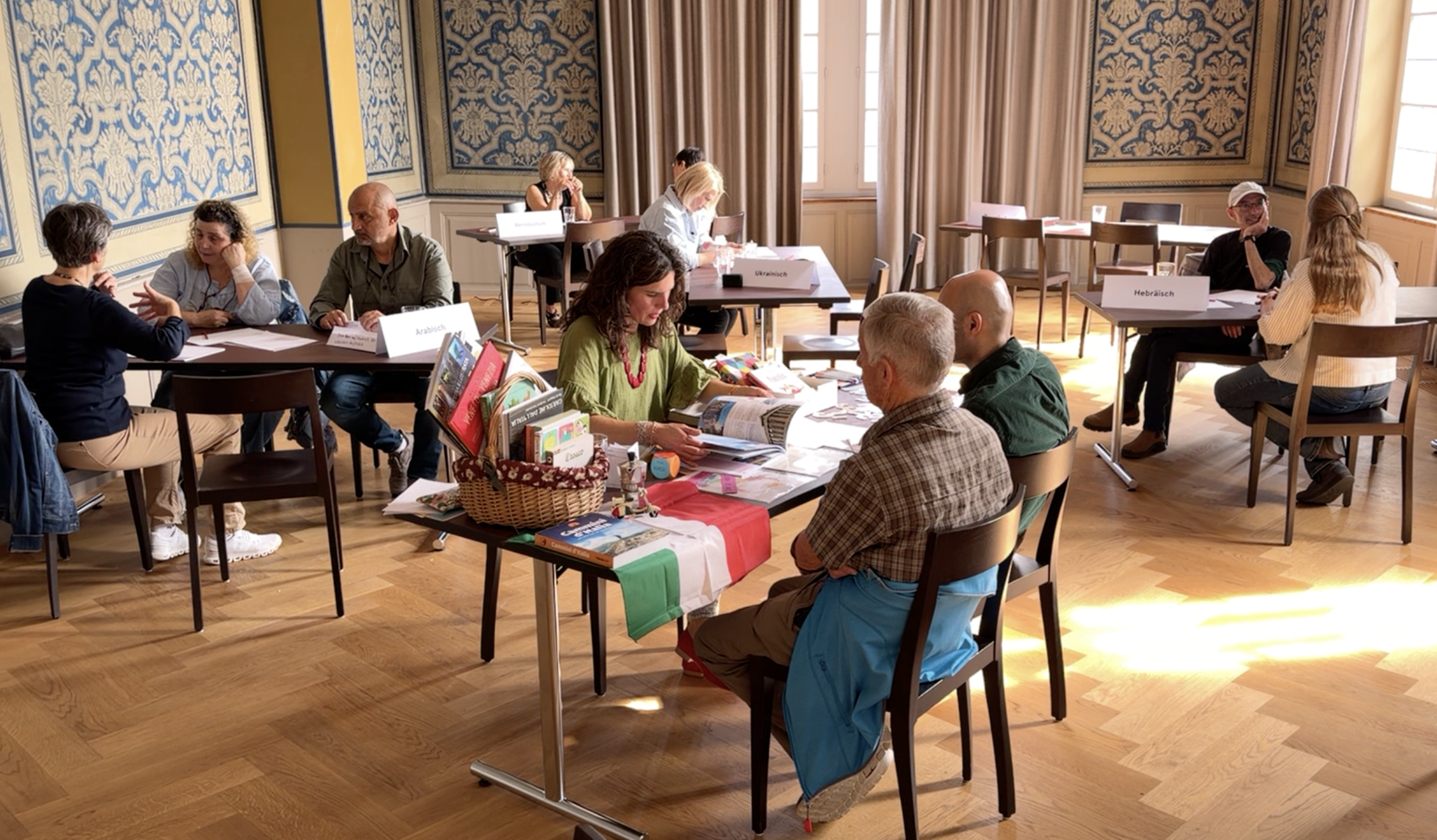
Your projects also include support for educational initiatives for Ukrainian children in Bern. How important is working with migrant communities to you? The initial idea emerged in April 2022, when women and children from Ukraine arrived and the question arose: what will happen to the education of Ukrainian children? It quickly became clear that older children would continue online learning, but what about children between four and eight years old who still need direct contact with teachers to learn their native language? They should also be taught by professionals in their native language and culture, such as teachers or social educators, not only by their mothers.
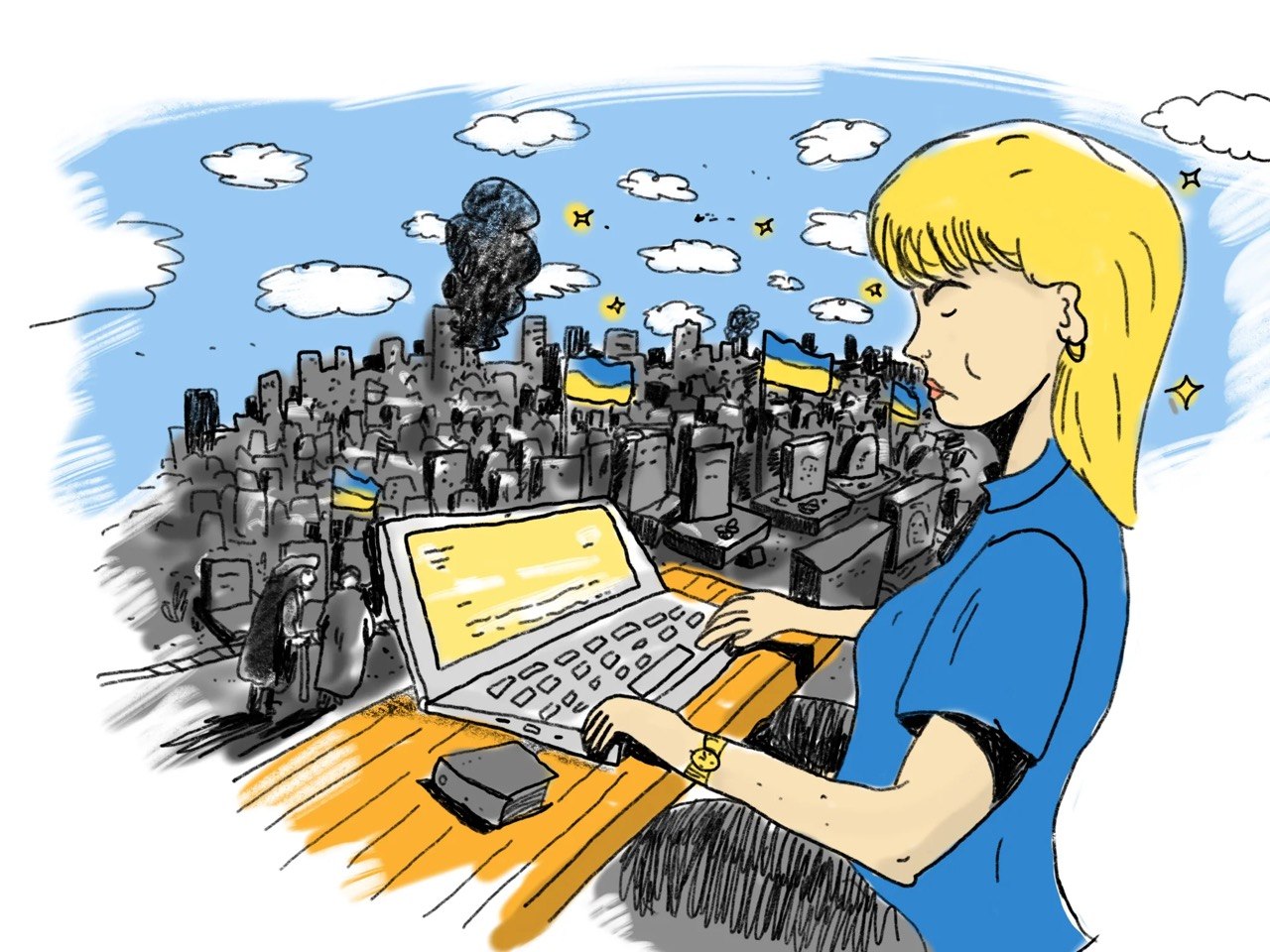
It soon became evident that psychosocial support was equally urgent. We were able to involve several Ukrainian psychologists who began working with traumatized families and children. This project was funded together with the Burgergemeinde Bern.
It is fundamentally very important to us that women and children develop a sense of independence as quickly as possible, can act and make decisions, and integrate, regardless of whether they stay or return. It is especially important that children do not feel excluded and can take advantage of the opportunities this country offers. At its core, this is what matters: that women do not feel alone or abandoned.
Zonta also supported a project aimed at labor market integration for qualified migrant women. What are the biggest challenges these women face in Switzerland? One of the biggest challenges is the recognition of their diplomas, which takes a great deal of time. In addition, they must navigate the complex system of labor market integration: what language skills are required, what qualifications are needed, and what support is available. It is crucial that women do not feel alone in this process and can find an entry point, perhaps in a protected workplace or in a position that does not fully match their qualifications but allows them to understand the system and gradually move forward.
The club funds initiatives in which women support other women, such as platforms for entrepreneurs or creative professionals. How important is female solidarity today? We have supported various initiatives, mainly startups that give women the opportunity to pursue their chosen activities and take the first step toward independence. Women often lack the necessary financial resources and have much more difficulty accessing funding and sponsorship compared to men. Therefore, it is valuable when we can provide them with the support they need.
Looking at society more broadly, for example in football or other sports, women must work much harder to obtain financial support or sponsorship. The same applies in other fields: it is significantly more difficult for women to access funding opportunities than for men. Sometimes there is luck, but generally it is much harder. That is why solidarity from organizations like Zonta is so important. It shows women that there are others fighting for them and helping them realize their dreams and find their own path, especially when only part-time work is possible due to childcare responsibilities or when women are single parents.
Zonta’s projects also include the prevention of violence against women and girls. How has this issue changed in recent years, especially for migrant women? The issue has long not been taken seriously enough in Switzerland, but violence against women and girls exists everywhere. There has been an increasing number of femicides. Switzerland has long faced gun-related violence, including violence against women or extended suicides involving entire families, partly due to the high number of firearms in circulation.
Thanks to the “16 Days Against Violence” campaign, the issue has gained more visibility. Violence against women is a reality. For a long time, domestic violence was not clearly regulated by law. Now there is at least the possibility to say: my husband or partner has committed psychological or physical violence against me or the children. However, many women still hesitate to speak out because they fear not being taken seriously. Unfortunately, I encounter this in my own practice as a psychiatrist. Women who have experienced violence often feel that what happened to them is not acknowledged.
It is positive that we now have a legal standard: only a “yes” constitutes consent to sexual contact between two people, and anything else does not give anyone the right to touch a woman or harm her. However, for women outside the public spotlight, it remains very difficult to speak out and be taken seriously. Perpetrators often remain unpunished for a long time, and women live in fear that the violence will recur. This remains a major issue that is still not taken seriously enough.
What challenges do young women face today, and do they differ for those with a migration background? I believe there is no difference. This year’s theme of the “16 Days Against Violence” campaign by Frieda is cybercrime. For young people and young women, this is a major challenge. They face online bullying, public humiliation, and the spread of violent content. Today, AI can even be used to create fake images of young women in explicit situations. No woman is protected from this.
In addition, in various countries, women’s rights that have been fought for over the last century are being questioned again, including voting rights, abortion rights, and participation in political and economic life. There are ongoing attempts to roll these rights back. Therefore, older women must ensure that the younger generation does not lose these rights.
How does early support influence a woman’s future? Early support plays a crucial role, especially in establishing the idea that women can and should continue working even after having children. It is encouraging that more mothers are working today, at least part-time. It is important that daughters see that their mothers have the right to have dreams and ambitions and to contribute their talents to society. Unfortunately, these talents are often overlooked and undervalued.
How do you assess the role of organizations like yours in changing societal perceptions of women and migrant women in Switzerland? Organizations like Zonta play an extremely important role. They provide a space where women from different professions, cultures, and backgrounds come together and, based on their experience and expertise, help other women find their path in society. It is important to feel: I am not alone in this world. With my talents, I have the right to take my place in society and to be paid equally for my work.
Have there been projects you had to discontinue? What does this say about changing social needs? If we discontinue a project, it is usually because we no longer receive feedback or the project itself was not continued. This does not mean it was not worthwhile. Social needs are constantly changing, and that is natural. As the saying goes, nothing is more constant than change.
What changes are still most needed in Switzerland for women, especially those with a migration background? This applies to all women. The most important thing is for women to understand what it means not to have their own income, particularly the risk of poverty in old age. Even in marriage, financial security can change suddenly. That is why education, self-confidence, and persistence are essential. Women should not be pushed into a corner with the phrase: “But you are a woman.” That phrase should not exist. It should be: “But you are a human being.” Switzerland has the opportunities to integrate women, but women must also understand that participation in political and economic life is essential for long-term security.
Zonta is an intergenerational women’s club that truly cares about people, especially women and children. Our goal is to empower all women and girls and help them live according to their needs. Women are often given too few opportunities, but they should not wait for them to be granted. They must demand them. We must recognize that we have the right to make these demands and to stand with dignity in order to secure our place in society and preserve it for our daughters.
Photos: Nikole Stadelmann