Text: Olena Krylova
A joint project of the USB Youth Platform and the Youth Red Cross Canton Bern is
turning integration into something unexpected: fun.
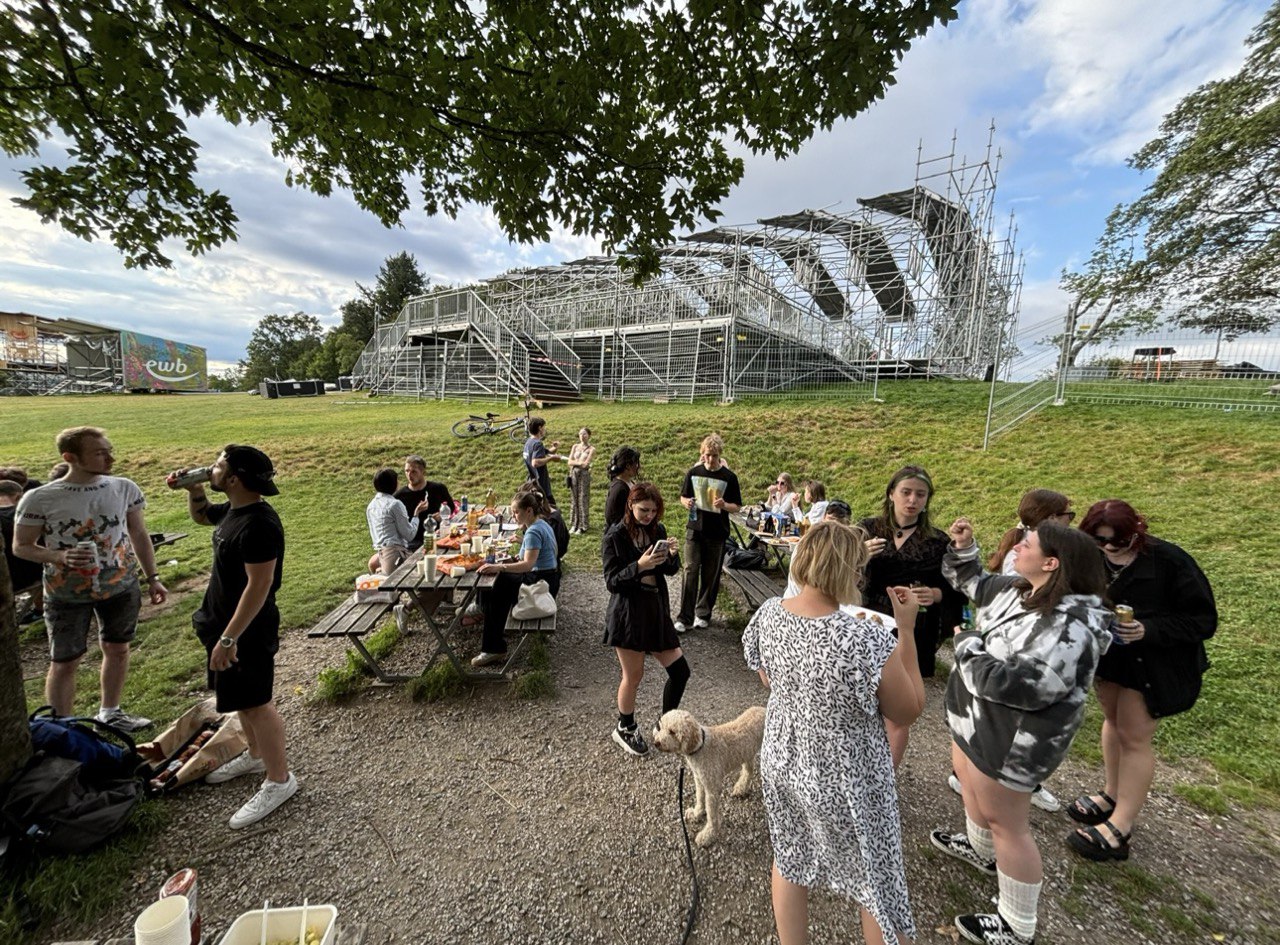
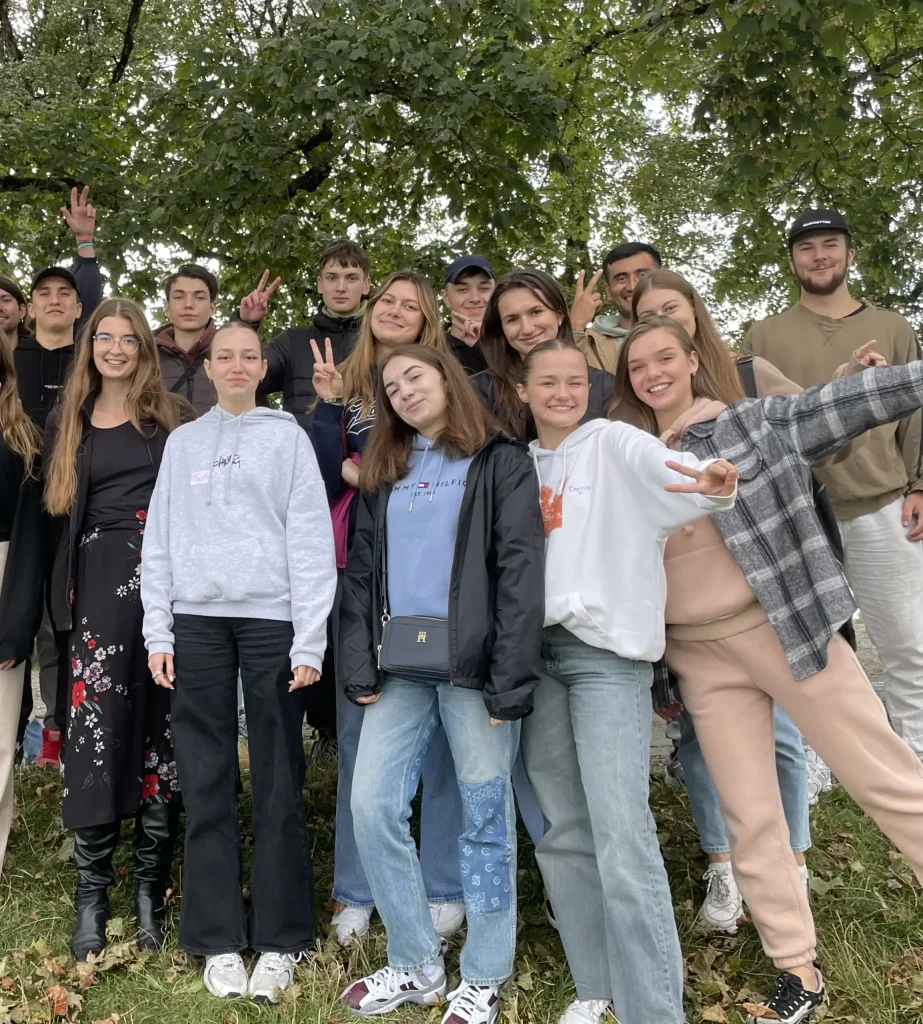
It is a warm Thursday evening on the Gurtenkulm, the hill that overlooks Bern like a
green crown. A dozen young people are gathered around a grill – laughing, arguing
about whether the sausages are ready, switching between Ukrainian, German and
English mid-sentence. Most of them arrived in Switzerland less than two years ago,
fleeing the war. Others grew up here. Tonight, you cannot easily tell which is which.
This is “How to Bern” in action.
Two Organisations, One Idea
The project is a collaboration between the USB Youth Platform – the youth arm of the
USB Association – and the Youth Red Cross Canton Bern. Since 2022, USB has
been one of the most active organisations supporting Ukrainian refugees in the
canton, running everything from a Ukrainian school and psychological counselling to
career support and cultural events. Its youth platform, operating under the name
U.integration, focuses specifically on young people aged 16 to 26.
The partnership with the Youth Red Cross was a natural next step. Where USB
brings the Ukrainian community, the Youth Red Cross brings local Swiss peers. The
result is something neither organisation could create alone: a shared space where
integration happens not through lectures or paperwork, but through lived experience.
More Than an Orientation Course
The premise of “How to Bern” is deceptively simple: Ukrainian and Swiss youth plan
and organise events together. Not side by side, but genuinely jointly: negotiating
ideas, dividing tasks, navigating cultural differences in the process of doing
something fun. The learning is embedded in the doing.
“Before I joined, I knew nothing about Bern except its name and the
bears. Now I know where to run on Sunday mornings, how to light a
grill at Gurten without embarrassing myself, and, most importantly, I
have friends here who are actually Swiss. That was the hardest part to
imagine, and it happened faster than I expected.”
— Svitlana, 21, from Sumi, participant since autumn 2023.
What They Do Together
The programme covers a deliberately broad range of activities, enough that almost
anyone can find an entry point. From the channel and event announcements, a
picture emerges of a group that is as likely to be doing yoga in a park as planning a
Halloween party:
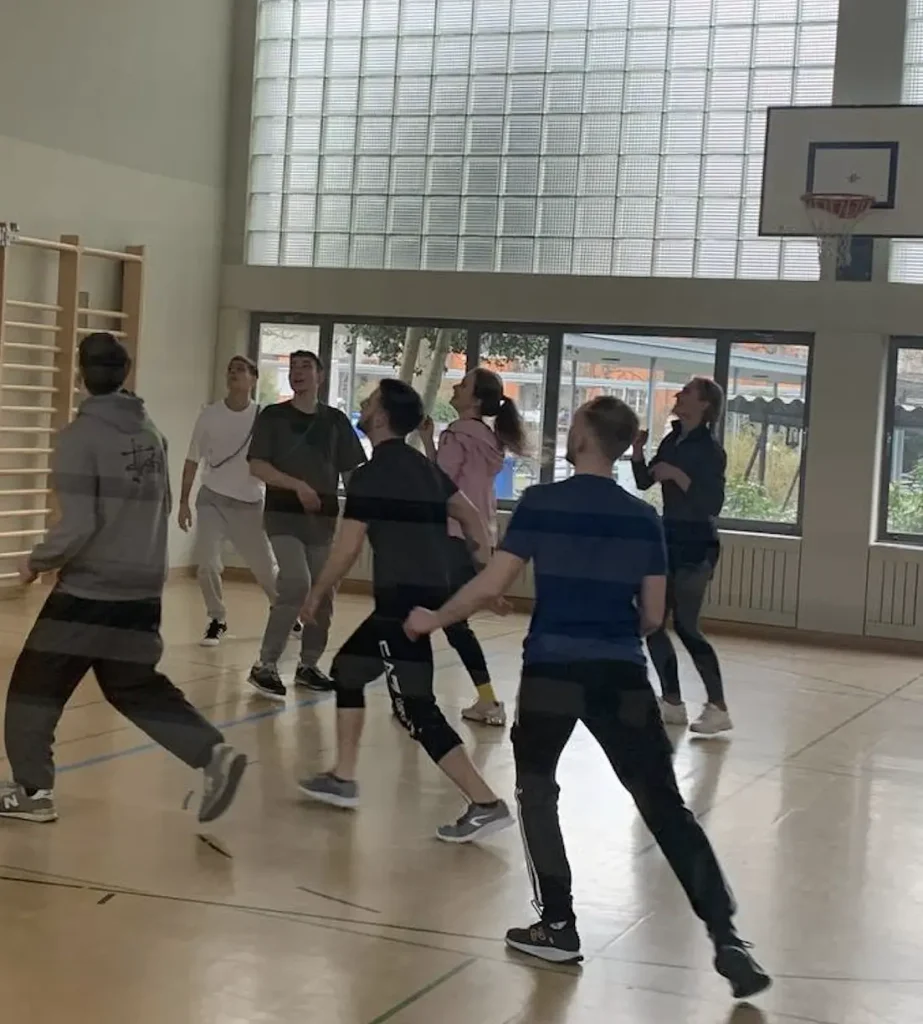
• Sport and outdoor activities: jogging sessions through Bern’s parks,
bowling evenings, basketball games, and yoga classes – accessible formats
where language barely matters and the icebreaker is built in.
• Grill at Gurten: an informal barbecue on Bern’s beloved local mountain – a
quintessential Bernese ritual that many newcomers would never discover
without a local to show them the way.
• 1st of August celebration: Swiss National Day, observed in the traditional
way: fireworks, lantern parades, bonfires and folk speeches. For Ukrainian
youth experiencing their first Swiss summer, joining locals for the country’s
most cherished national holiday is both a cultural immersion and a quiet
statement of belonging.
• Halloween Pop Up: a social evening for youth aged 16–26 in central Bern,
where costumes and games lowered every social barrier.
• Candle-making workshop: a hands-on creative evening, deliberately small
(ten places) so that real conversation could happen alongside the craft.
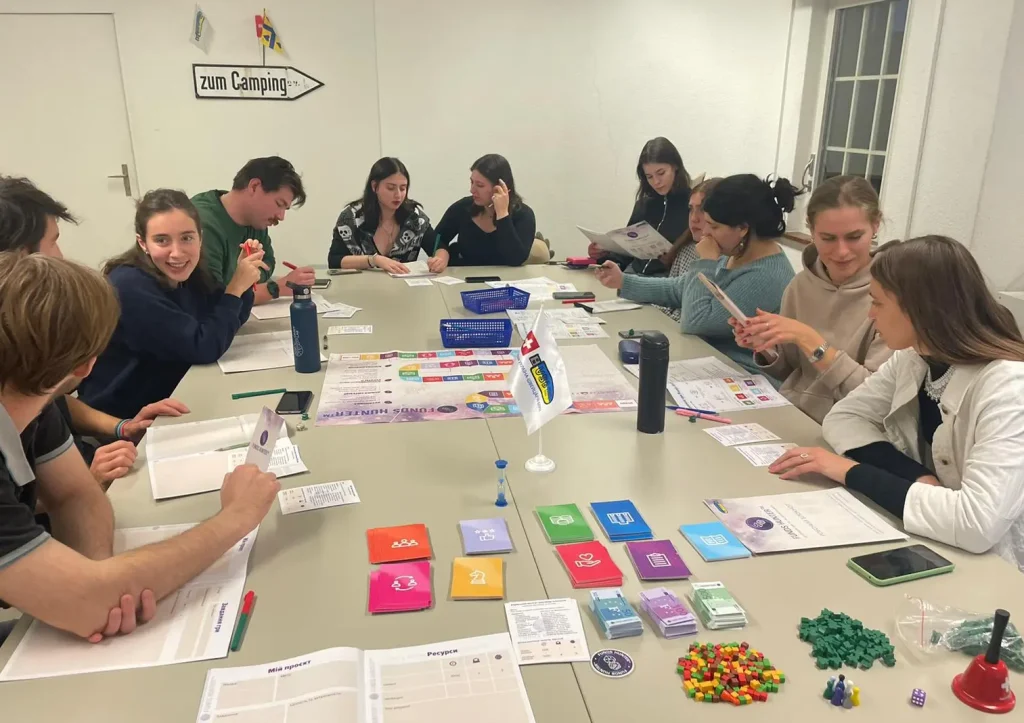
• KrimiDinner: a murder-mystery dinner for 10–15 participants, each given a
character, a motive, and a secret. By the end of the evening, participants had
argued, suspected, and laughed with people who were strangers two hours
earlier.
A Gap That Needed Filling
Since March 2022, more than 1,700 Ukrainians have settled in the city of Bern alone.
Among them, young people occupy a particularly difficult in-between: too old for
children’s programmes, too new to Switzerland to navigate its youth spaces
independently, and often too preoccupied with the war at home to invest confidently
in a life here.
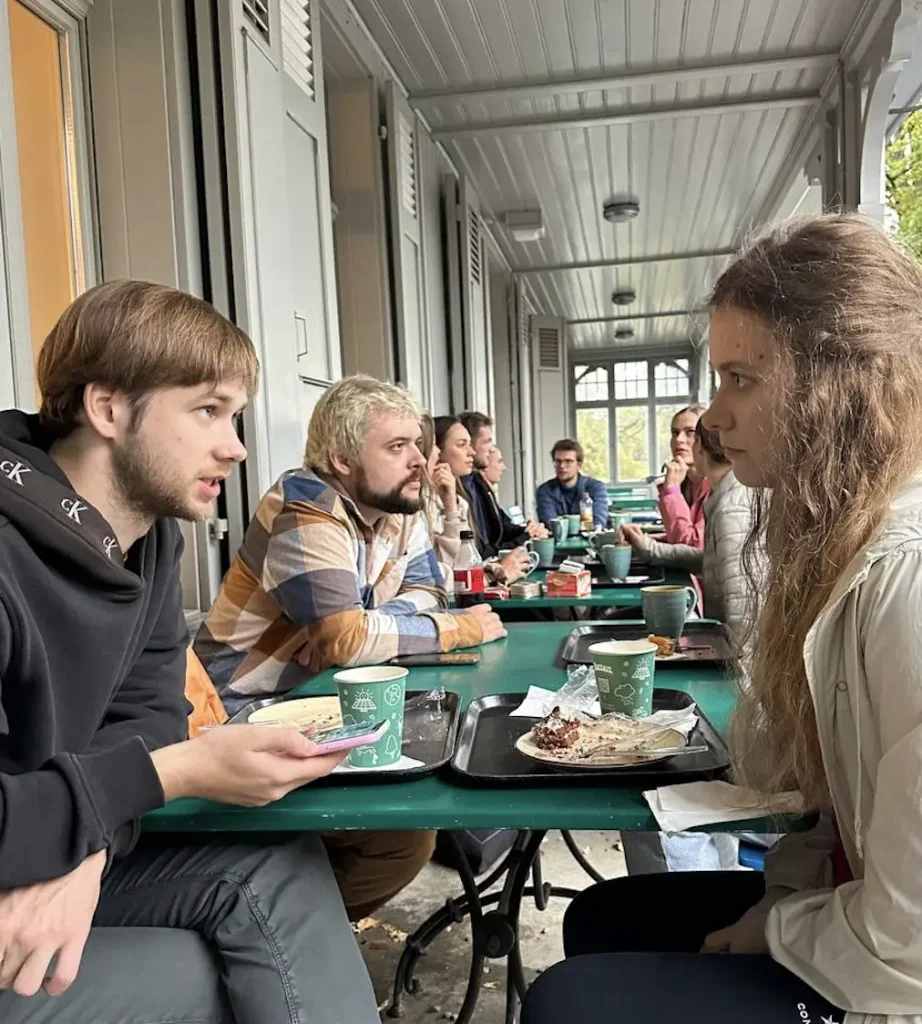
Swiss institutions do what they can. But no official programme teaches you that
Gurten is where Bern goes to breathe on a summer evening, or that showing up to a
bowling night is enough to start a friendship. That kind of knowledge travels person
to person, which is precisely what “How to Bern” is designed to enable.
“I was honestly a bit nervous the first time. I didn’t know what to expect.
But the atmosphere was so relaxed. We played basketball, nobody
cared if you were good or not. Afterwards we just talked for a long time.
I didn’t feel like a refugee that evening. I just felt like someone who had
a good time with new people.”
— Dmitro, 19, from Zaporizhzhia, joined the project in spring 2025.
Getting Involved
The U.integration team announces all events on its Telegram group @uintegration
and Instagram @u.integration. Registration is usually required. Places are limited by
design, to keep the atmosphere personal. Questions can be sent directly to the
organisers in the team .
For more on the broader work of the USB Association (including its media projects,
integration support, and programmes for adults and families) visit usb.ngo or write to
[email protected].
Back on the Gurtenkulm, the sausages are finally declared ready. Someone
produces a phone and starts a playlist. The city glitters below in the late summer
dusk. Nobody is talking about integration tonight. They’re just having fun.
“How to Bern” is a project of the USB Youth Platform U.integration in collaboration with the Youth Red
Cross Canton Bern.