By Olena Krylova
What does a teenager who has just arrived in Switzerland want to know first?
Usually, it isn’t how the education system is organised or what the official regulations say. It is something much simpler: How did you manage? Which school did you choose? Where did you find your first job? What would you do differently?
These are questions that are often answered best not by adults, but by peers.
For young people rebuilding their lives in a new country, conversations with someone who has recently faced the same challenges can be transformative. They are practical, honest and reassuring. They replace uncertainty with experience and show that the path ahead is possible.
This belief lies at the heart of USB’s peer-to-peer initiatives for young Ukrainians in Switzerland.
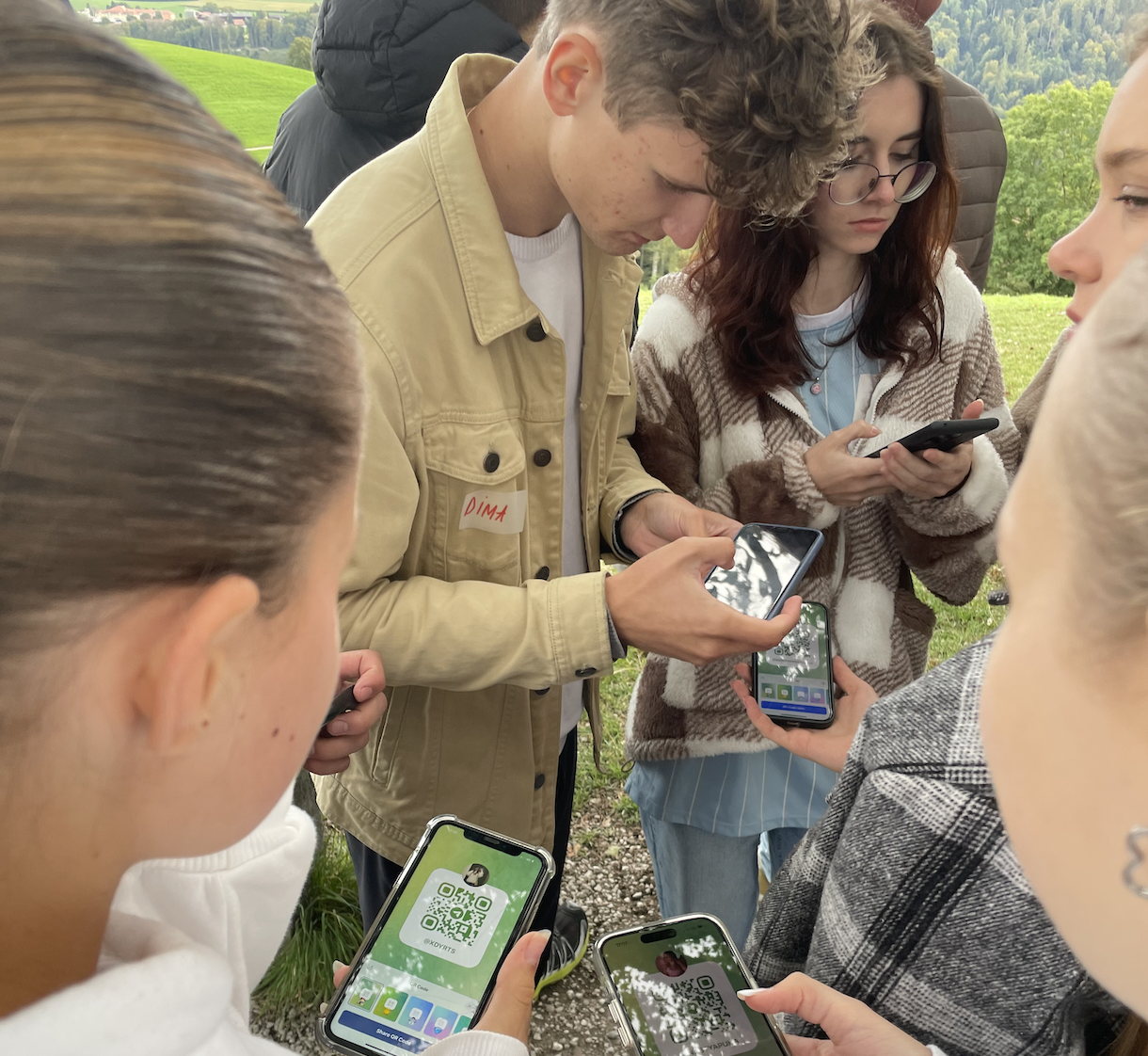
Rather than creating another series of lectures, the programme creates opportunities for young people to learn directly from one another. Students who have already navigated the Swiss education system share their experiences with newcomers. Young people who have found part-time jobs explain where they started, what employers expect and how they balanced work with school. Others talk openly about learning German, making friends or adapting to a different culture.
There is something powerful about hearing these stories from someone your own age.
The advice is practical because it comes from lived experience. The questions are often the ones young people hesitate to ask teachers or professionals. And the answers carry a different kind of credibility: I’ve been where you are.
Peer support also works in both directions. Those who share their experience discover that they have become role models without intending to. They gain confidence, strengthen their own communication skills and realise that their journey can make someone else’s a little easier.
At USB, this is more than mentoring. It is about building a community where knowledge is shared horizontally rather than passed down from above. Every young person has something to contribute, whether they arrived three years ago or three months ago.
Integration is often described as a process of learning.
Just as important, however, is the opportunity to teach.
Because the moment a young person realises that their own experience can help someone else, they stop feeling like a newcomer. They become part of the community that welcomes the next person.
And perhaps that is the most meaningful form of belonging.