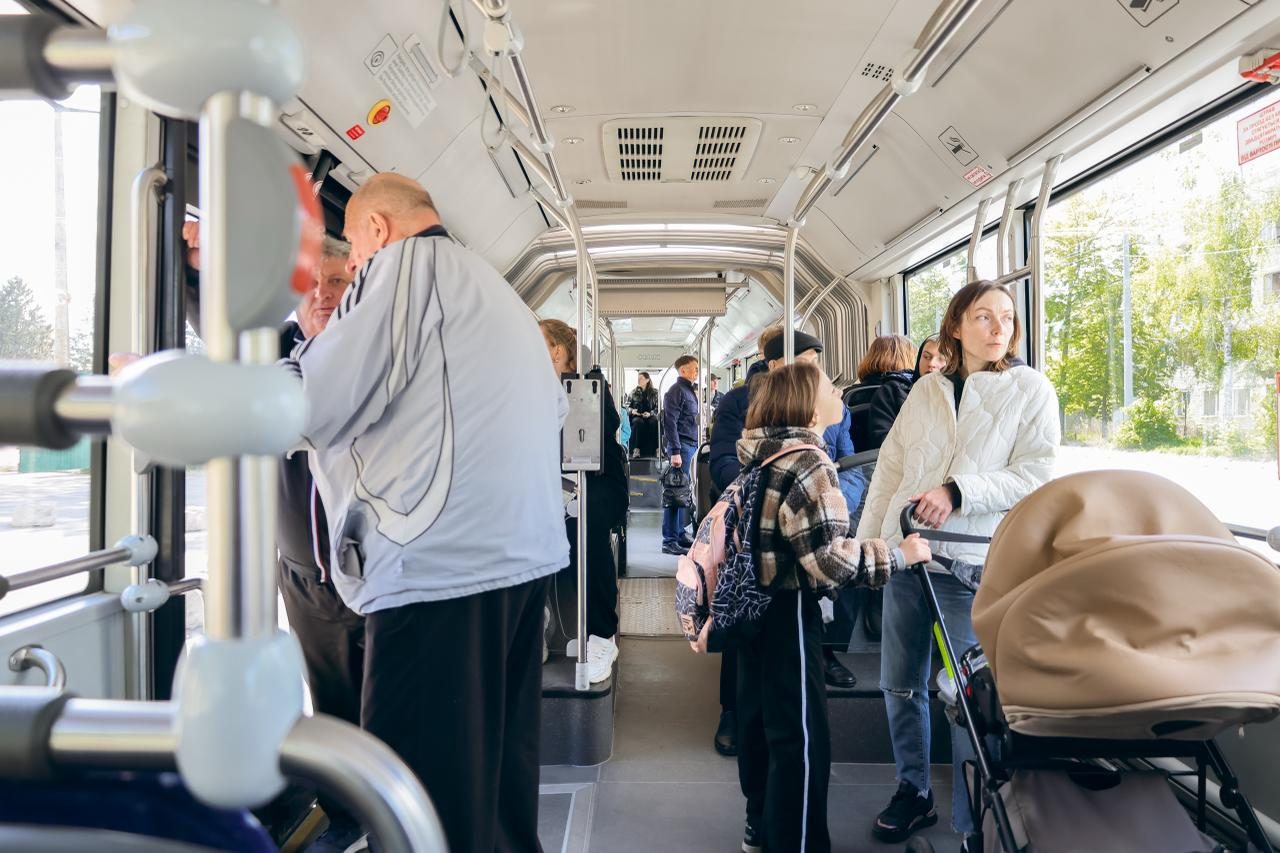
Retired from Swiss routes by new environmental rules, the buses now carry pensioners, displaced families and schoolchildren in a city that lost a third of its trolleybus network to the war — the pilot of a municipal partnership model
Text: Olena Krylova
In September 2024, the streets of Chernihiv filled with traffic again. Eleven buses that until recently carried commuters in St. Gallen now run the key routes of a Ukrainian city of 280,000 — a city that entered the war among the first, lost a large part of its public infrastructure, including 30% of its trolleybus network, and saw part of its remaining buses mobilised for the army in the first weeks. What was left could not serve the residents, let alone the internally displaced people the city took in.
“These buses are not just vehicles — they are a step towards restoring dignity and a normal life,” said one passenger.
From a school-reform visit to a transport pilot
The idea did not begin with buses at all. It emerged in May 2023, during a visit of a Ukrainian parliamentary delegation to Switzerland devoted to high-school education reform, organised by the DECIDE project (implemented by the NGO DOCCU in Ukraine and the Zurich University of Teacher Education). The first conversations were about school buses; the working relationship that grew out of them widened into public transport.
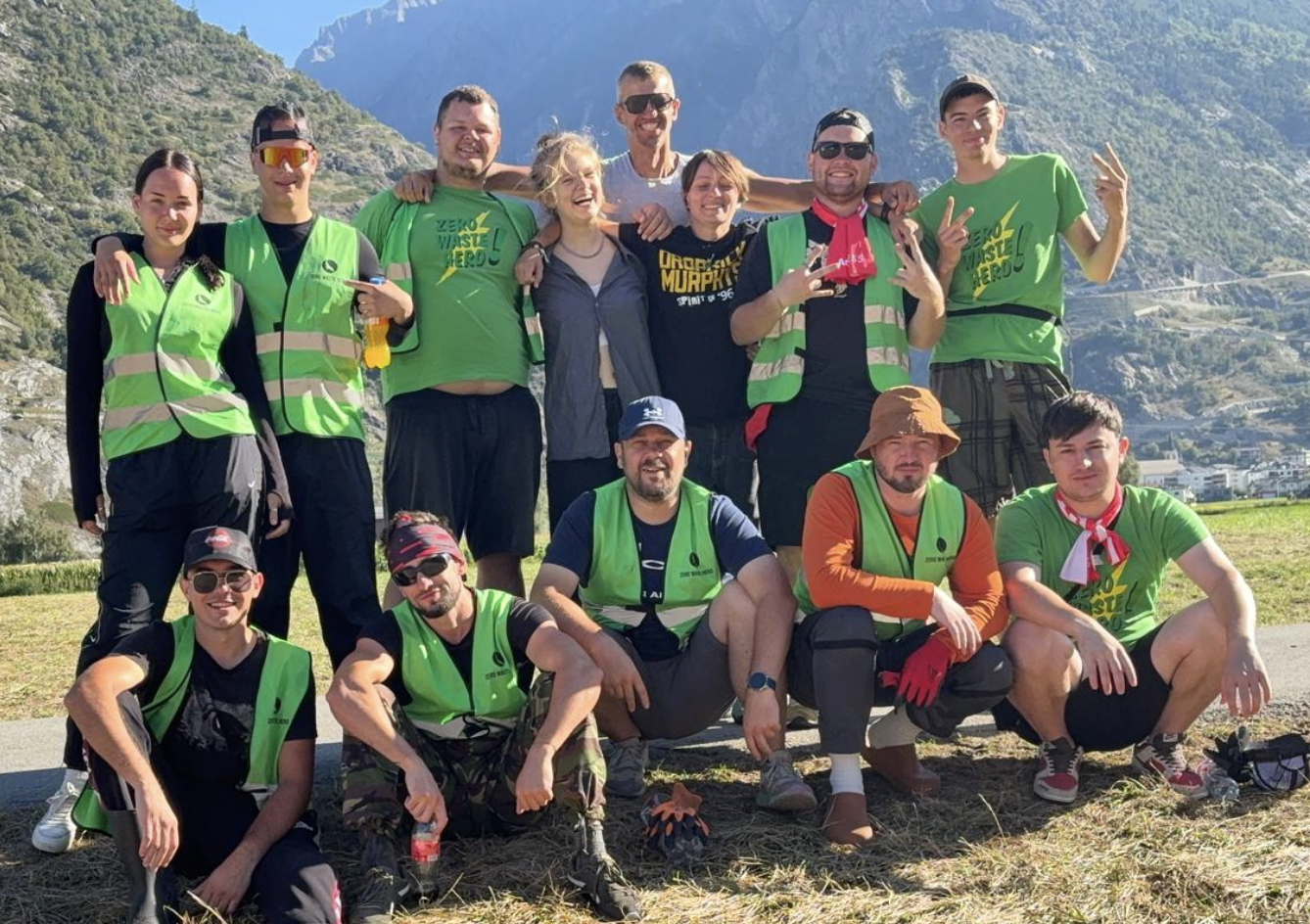
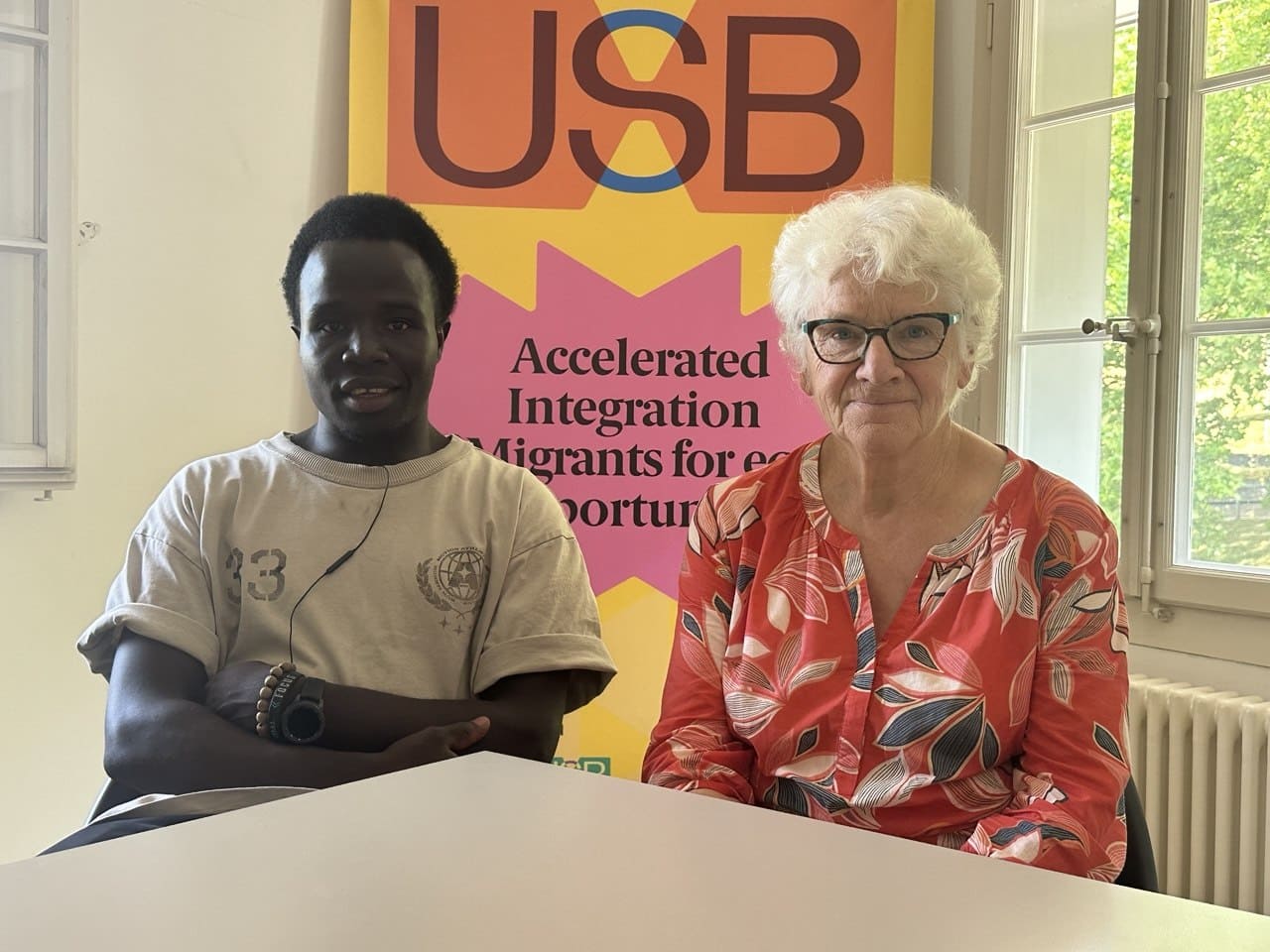
The mechanics came together across borders and levels. The city of St. Gallen donated eleven vehicles it was retiring — new Swiss environmental legislation rules out diesel buses in public transport, while in Ukraine, where electricity supply is under constant strain, diesel is precisely what keeps a fleet running. Independent experts confirmed the vehicles were in excellent condition despite their service life. The student association St. Gallen Helps Ukraine drove the campaign locally; USB coordinated the project; the State Secretariat for Economic Affairs (SECO) financed the expertise, repairs and transport logistics; St. Gallen’s transport company added every available spare component, and a dedicated parts vehicle accompanied the convoy. The Embassy of Switzerland supported the initiative.
Ownership in Chernihiv — and what comes next
All eleven buses were transferred to the Chernihiv City Council, which now carries the responsibility that matters after the ribbon is cut: operation, maintenance, and free transportation for socially vulnerable passengers — the elderly, displaced people, families with children, people with disabilities. The city is examining special school lines to connect remote districts with schools, closing the loop back to the project’s original idea.
The transfer was designed as a pilot: a repeatable mechanism for moving serviceable retired vehicles from Swiss communities to Ukrainian ones, city to city, without waiting for large national programmes. Other Swiss cities renewing their own fleets are already studying the model.
“What St. Gallen and Chernihiv have shown is a mechanism, not a gesture,” says a representtive of the Chernihiv public transport enterprise. “A Swiss city retires a bus; a Ukrainian city gives it a second working life. Every route it runs is proof that partnership between municipalities works — especially now.”
Video: https://www.youtube.com/watch?v=cZkIp3oGQg4 (EBA YouTube channel)