By Olena Krylova
When an organisation works with people rebuilding their lives, one thing becomes clear very quickly: needs change. And organisations must change with them.
What began as an emergency response to Russia’s full-scale invasion of Ukraine has grown into something much broader. Today, USB works at the intersection of integration, education, mental health, youth engagement, community building and international cooperation. As the organisation has evolved, so too has the need to reflect on where it is going next.
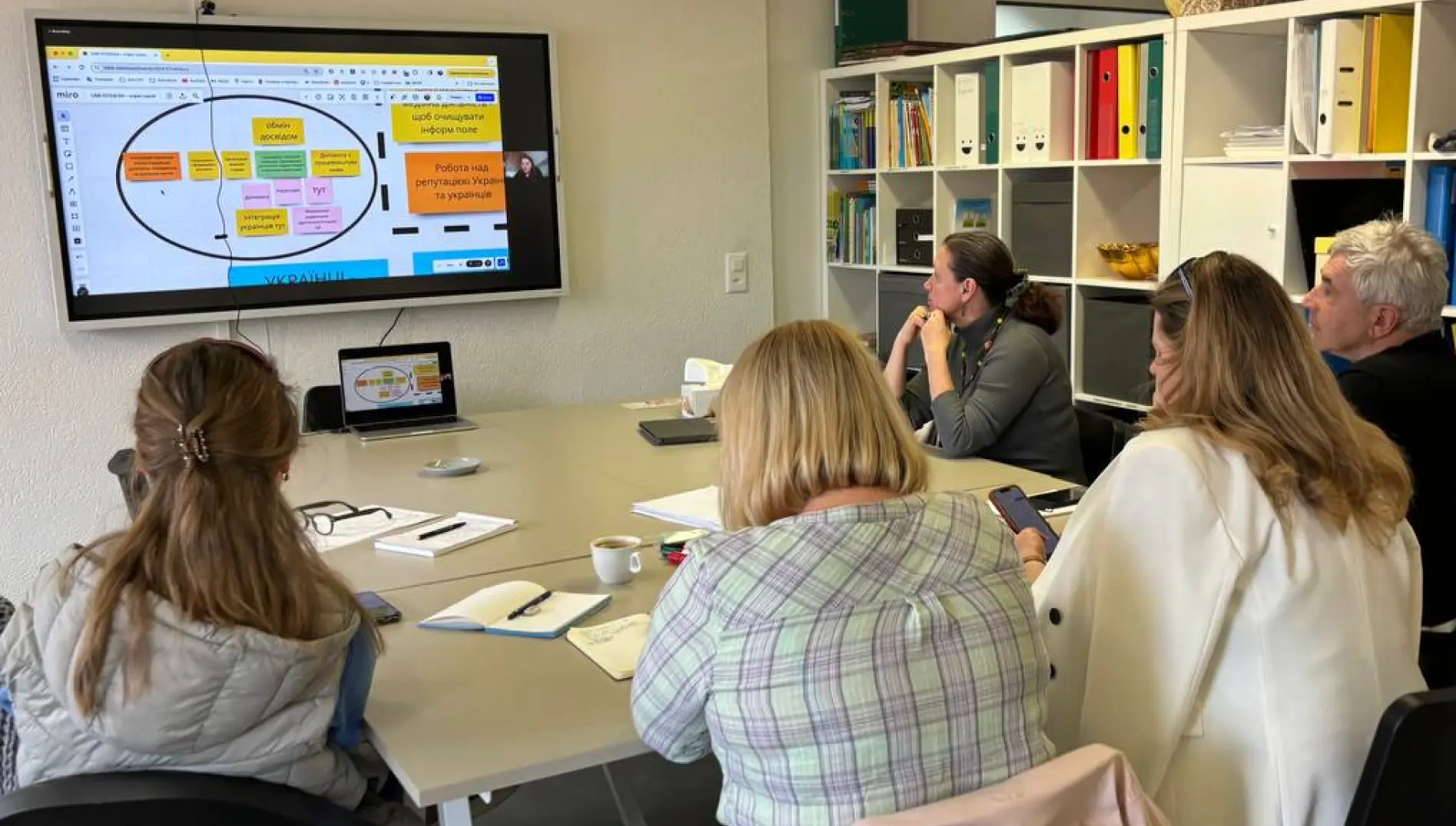
That was the purpose of a recent strategic planning session, facilitated by organisational development expert Olesia Arkhipova. Rather than focusing only on projects or budgets, the team took a step back to ask more fundamental questions: Why do we exist? Who do we serve? What kind of impact do we want to have in the years ahead? And how do we stay true to our mission while responding to a changing reality?
The result was more than a work plan. It was a shared understanding of the organisation’s future and the three strategic directions that will guide its development.
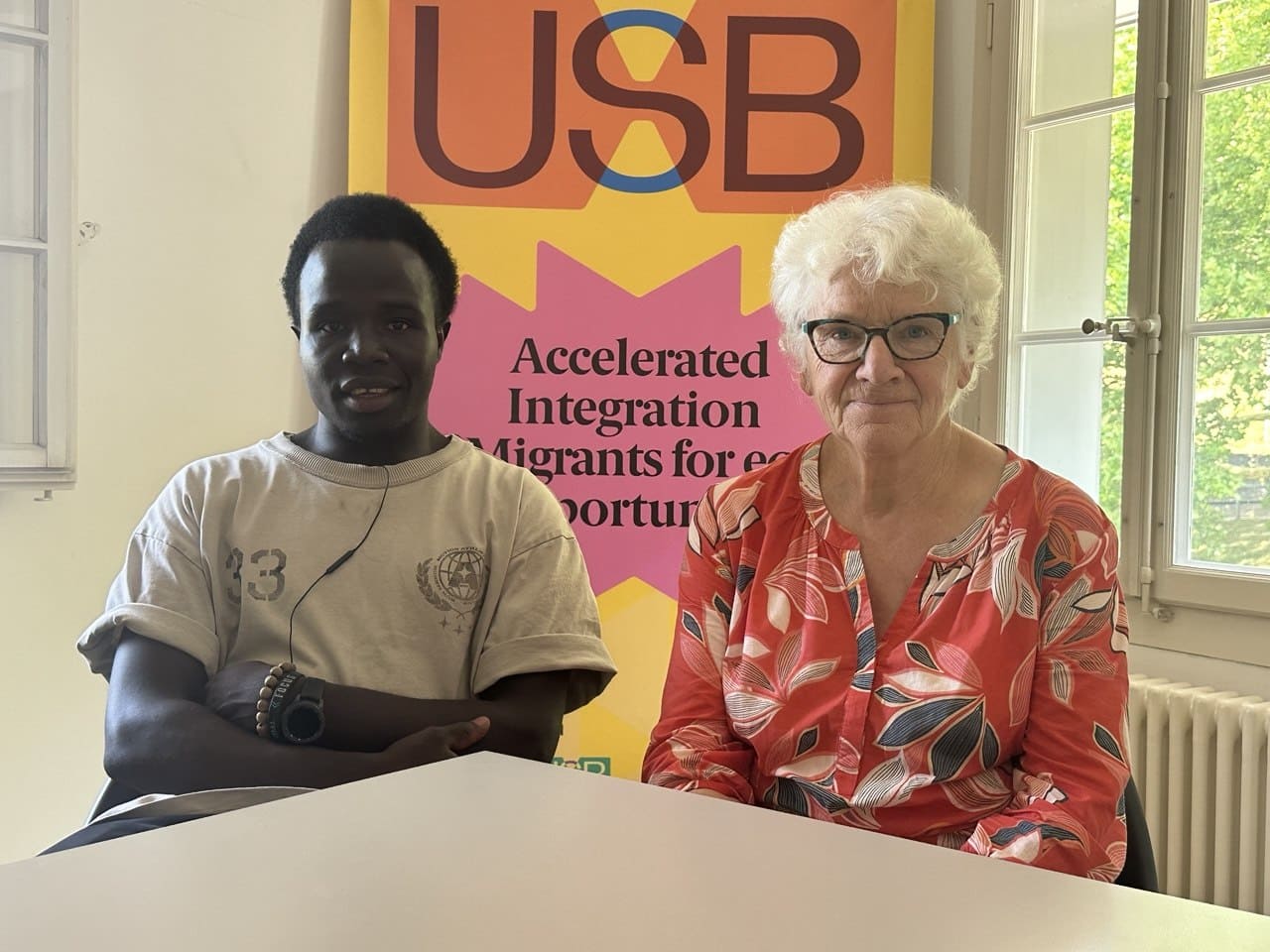
“It was an intense but incredibly valuable process,” says Olena Krylova, President of USB. “Olesia helped us step away from our daily routines and look at the bigger picture. We challenged ourselves to identify what really matters, where we create the greatest value and what kind of organisation we want to become. By the end of the day, we weren’t just planning projects—we had built a common vision.”
For Svitlana Manzer, Head of Integration Projects, the session also became an opportunity to reflect on the team’s own journey.
“Our work has grown significantly, and that makes regular reflection essential,” she says. “The session helped us understand not only what we do, but also why we continue to do it together. Through open and honest conversations, we were able to reassess our priorities and strengthen our shared commitment.”
For USB, strategy is not a document that sits on a shelf. It is a way of ensuring that every new initiative responds to real needs, every partnership has a clear purpose and every project contributes to the organisation’s long-term mission.
Communities change. The people we work with change. The challenges facing society change.
To remain relevant, an organisation must be willing to learn, to listen and, when necessary, to rethink itself.
Because the strongest organisations are not those that never change.
They are the ones that never stop learning.