Text: Anna Sliunchenko
U.integration Basel / CATAPULT Project
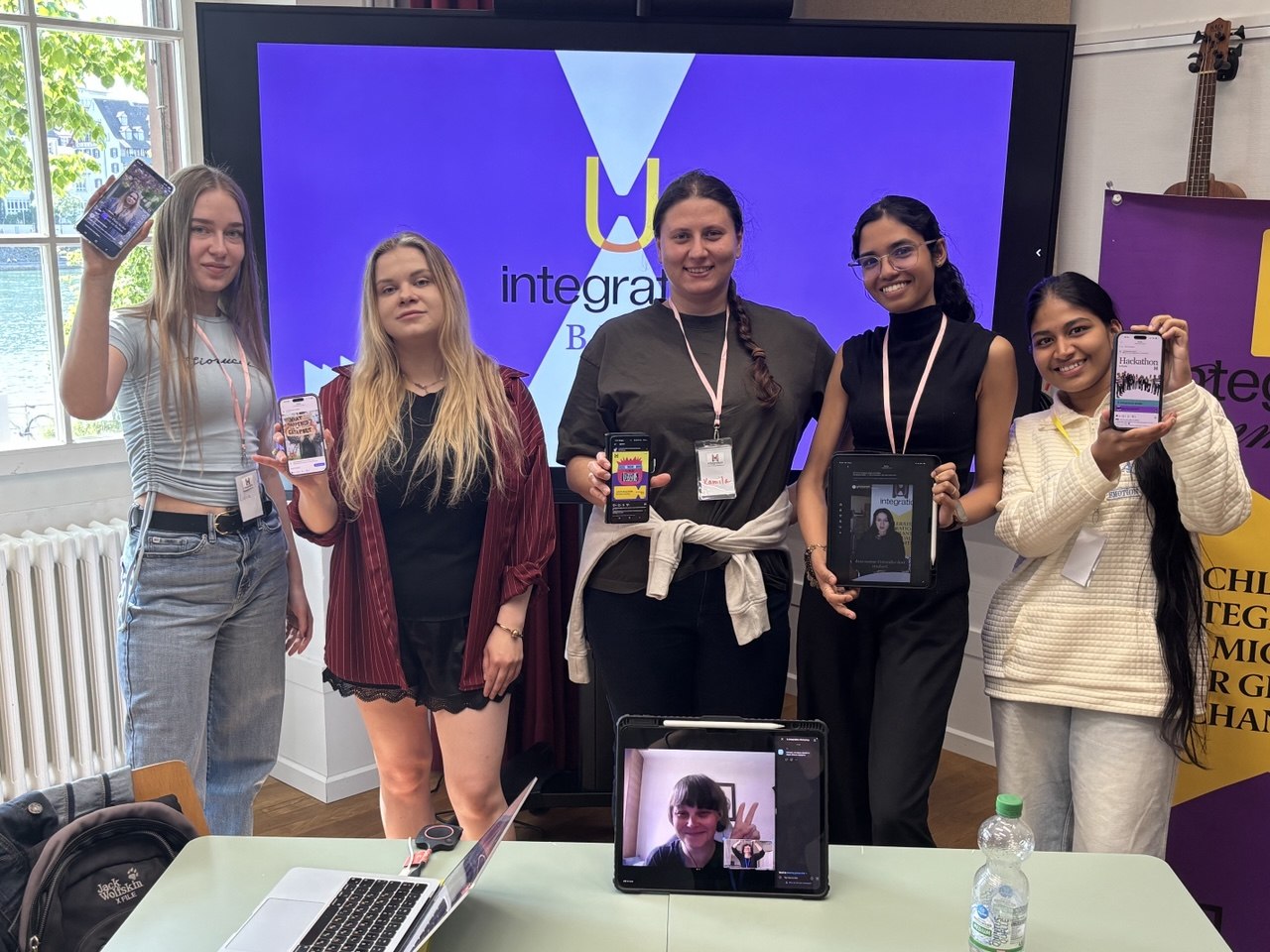
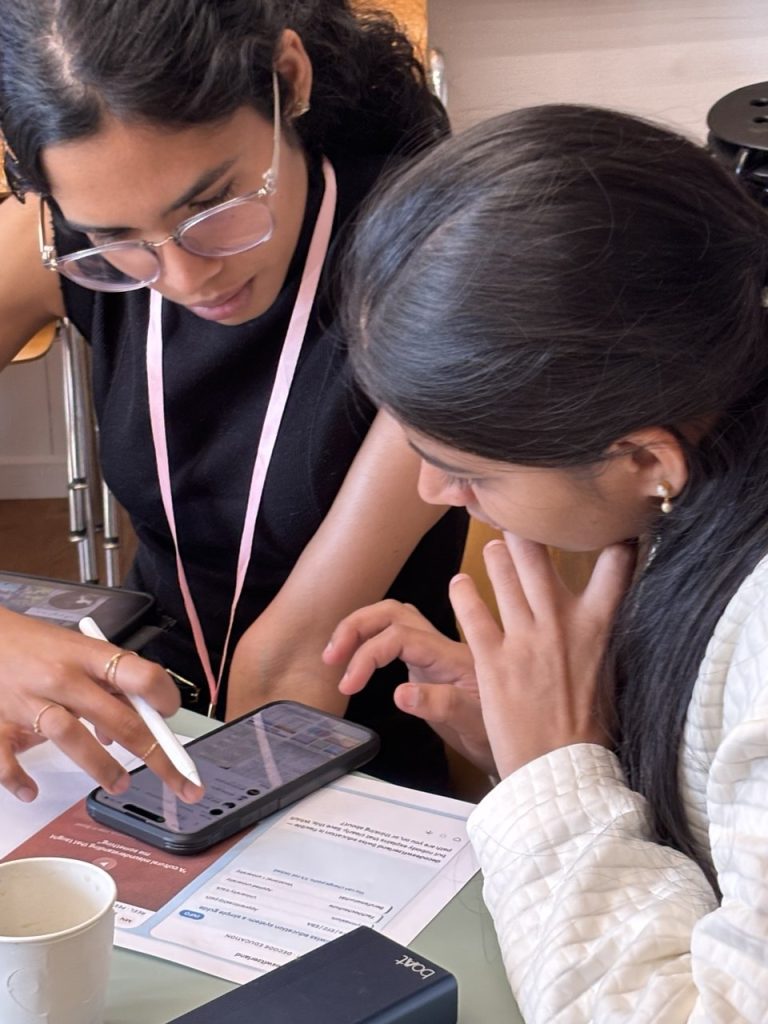
On a recent afternoon in Basel, a small group sat around a table with laptops, sticky notes, and a shared Instagram account that had just crossed 100 followers. The U.integration team was planning engaging socisl media content – working out what to post, when to post it, and how to talk about the Swiss education and local policital systems in a way that would actually land for the young migrants they were trying to reach.
It was, by any measure, an ordinary planning session. But it was also a decent illustration of where Decode Switzerland currently stands: a project with a clear idea and a real audience to build, still early enough that the approach is being worked out in real time.
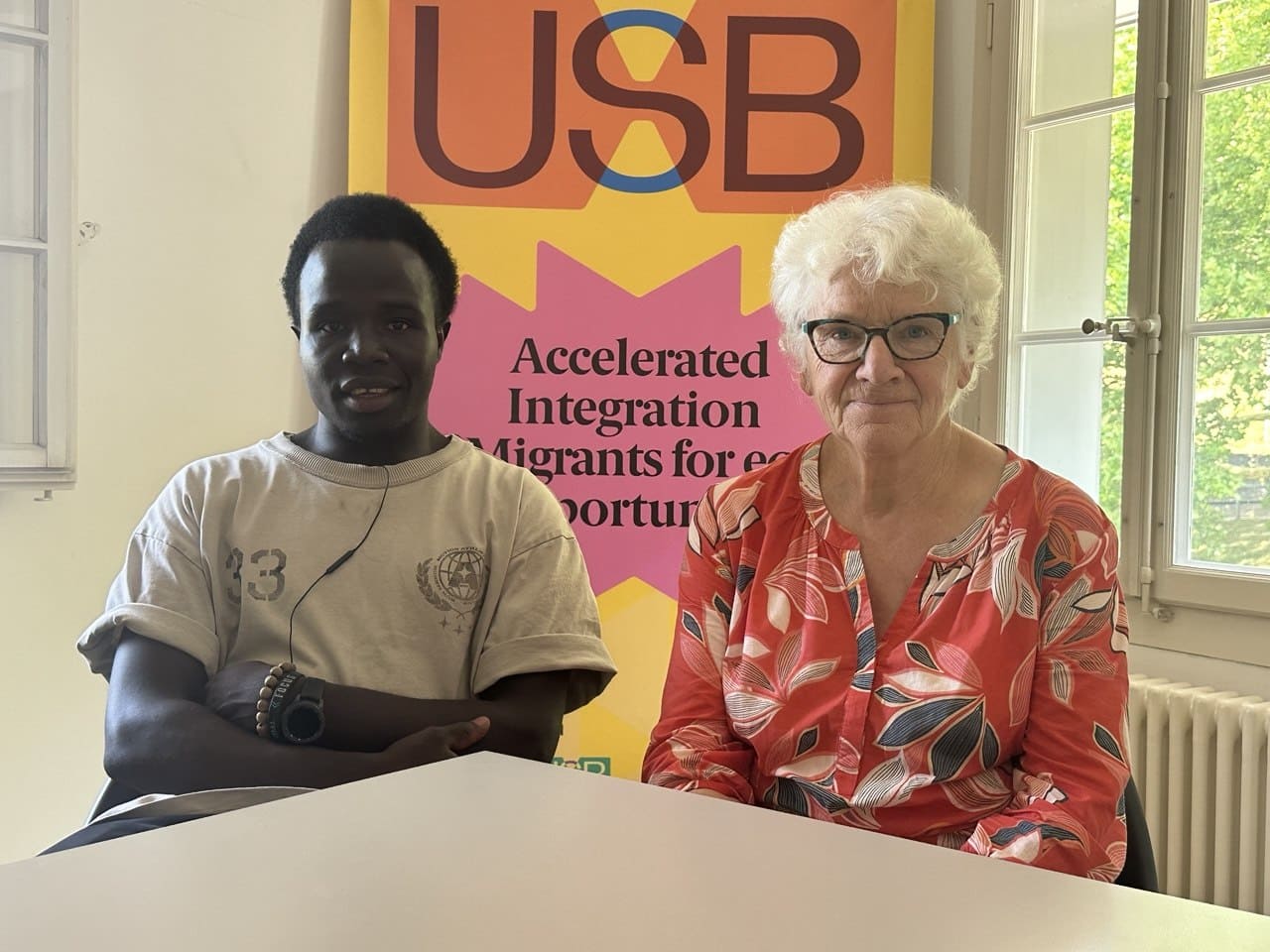
“We know that young people are on social media and that they’re looking for practical information about how things work here,” says Anna, project coordinator at U.integration Basel. “What we’re figuring out is how to reach them in a way that is simple but feels relevant, not like another integration leaflet, but something they’d actually would safe and share with a friend.”
What the project is trying to do
Decode Switzerland is part of CATAPULT, a European programme supporting youth integration. Its premise is fairly straightforward: young migrants in Basel often have the motivation to participate in Swiss life – in education, in the community, in civic processes. However, they lack the basic orientation that most Swiss-born peers pick up gradually, through school, family, and years of just being here. The project is an attempt to provide some of that orientation, through three tracks: social media, dialogue events, and learning games.
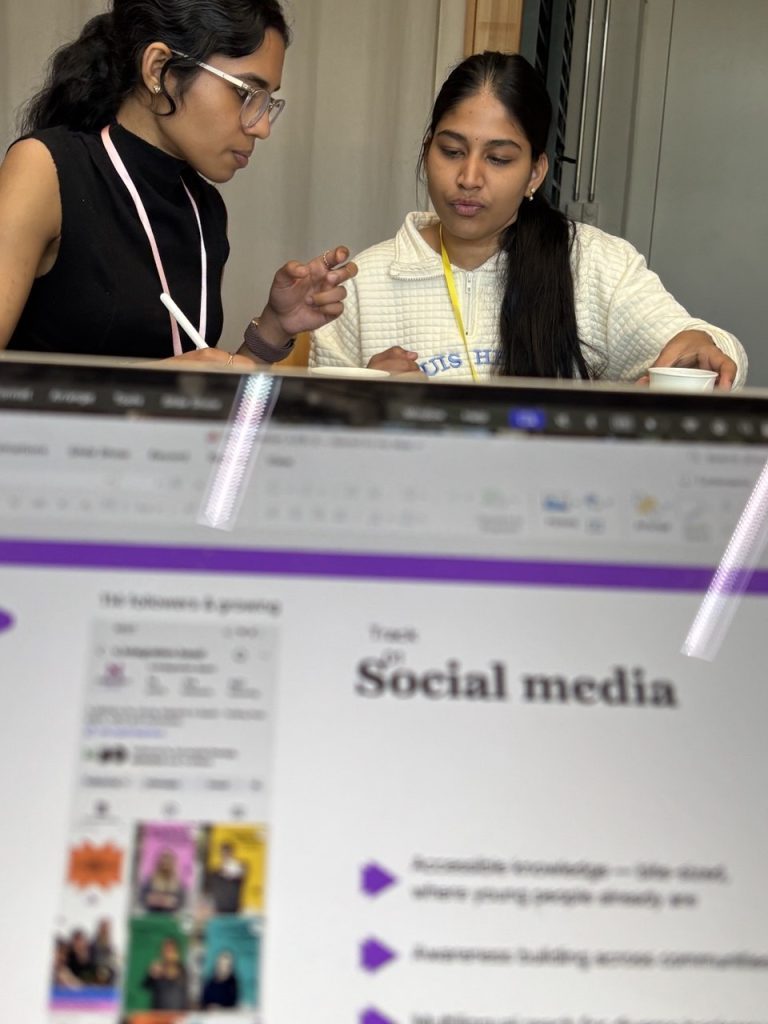
The social media track, built around the @u.integration.basel Instagram account, is where Decode Switzerland is most visibly active right now. It focuses on two topics. The first is the Swiss education system: Lehre pathways, the Berufsmaturität, enterying University and the flexibility that rarely gets communicated clearly to newcomers. The second is social and political life: how direct democracy works, what the Gemeinde is, how young people can actually participate in decisions that affect them. Two content series, Decode Education and Decode Society, give the posts a consistent frame.
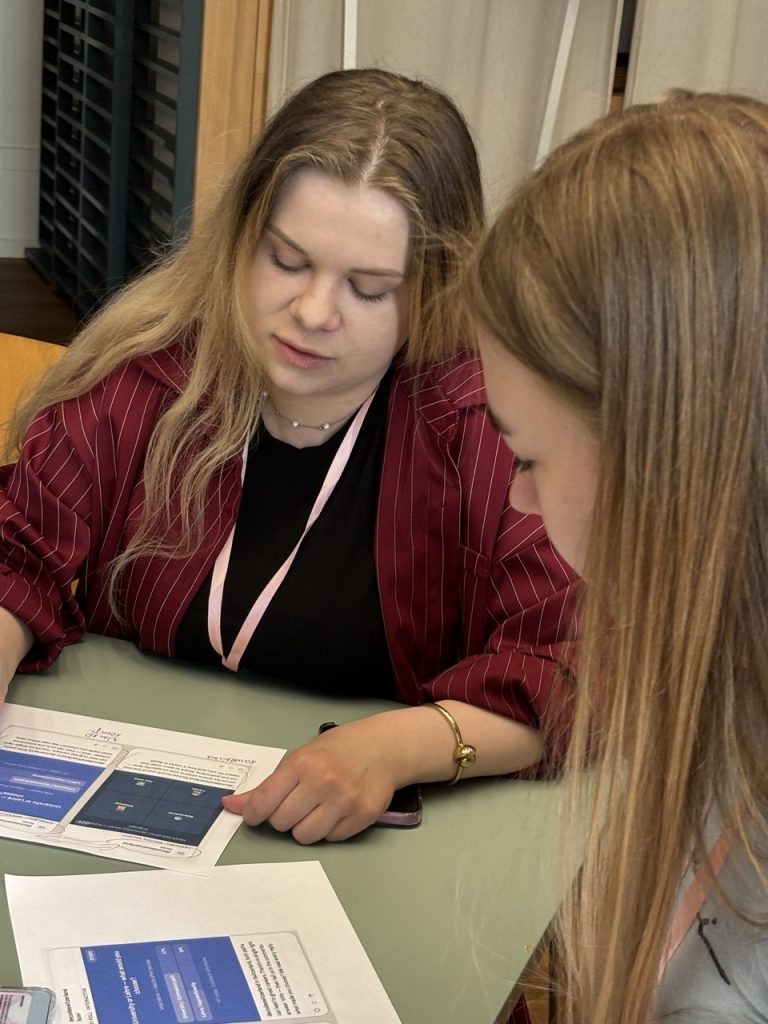
The U.integration Basel account is at 114 followers and growing. It is only several weeks old! The ambition isn’t scale for its own sake, but something with more staying power: content that is genuinely useful, consistent enough to develop a following, and (importantly!) made with young migrants rather than just for them. The content plan the team worked through in Basel draws on fairly simple logic. Posts fall into four types: informational explainers, interactive formats like polls and Q&As, event promotion, and peer stories. The mix reflects what the team thinks will work for this audience, though Anna is candid that they are still in a learning phase.
“We have ideas about what resonates,” she says, “but we’re also listening. We’ll see which posts people actually engage with, which ones get saved or shared, and adjust from there.”
The peer story format is the one the team is most deliberate about. The idea is that practical information about Swiss systems lands differently when it comes from someone who has actually lived through the experience – a young person explaining how they found their Lehrstelle in Basel, or what they wish they had known before their first job interview. Less performance, more the kind of peer-to-peer knowledge that doesn’t appear in any official guide.
Why social media, and why now
The choice to invest in social media as an awareness channel is partly pragmatic. Integration programmes tend to reach people who already know they need support — those who find the event listing and show up. Instagram can reach people who are still figuring out what questions to ask. That isn’t a novel insight, but the project is trying to act on it concretely, with content designed to be informative rather than merely present.
There is also a longer-term ambition behind it. The Basel workshop wasn’t only a planning session. It was part of a broader effort to bring young participants into the content-creation process itself. The team wants to move toward a model where young migrants are producing content, not just consuming it: sharing their own experiences with the Swiss education system, contributing to discussions about political participation, helping grow an account that is, in some sense, theirs.
That shift hasn’t fully happened yet, and the USB U.integration team is honest about that. But it shapes what this project is trying to build: not a communication channel run by an NGO, but something that starts to function as a community resource – a place where useful knowledge circulates peer to peer, in the languages and registers that actually reach the people who need it.
What has come out of the Basel workshop, and from the content planning work more broadly, is a clearer sense of what the project is actually offering: accessible information, a consistent presence, and a space where young people’s own experiences are treated as worth sharing. Whether that adds up to something meaningful depends, in the end, on whether the people it is aimed at find it useful — and whether they feel like contributors to it, not just recipients.
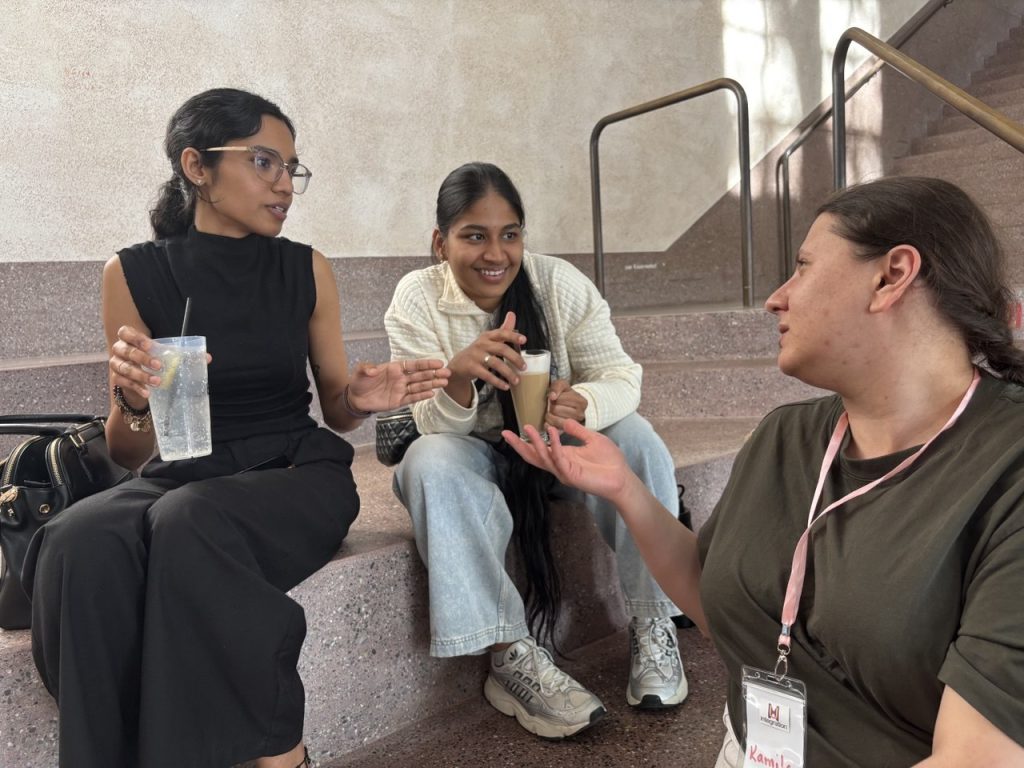
“We’re not trying to solve integration,” Anna says. “We’re trying to help young people understand how things work here, so they can make their own decisions. That’s already a lot.” The planning session has ended. The content calendar is drafted. The account is at 114 followers, and the team is already eager to work on the design and communication of their ideas.
It’s a start!
Decode Switzerland is a project of U.integration Basel, part of the CATAPULT European programme. Follow the project on Instagram at @u.integration.basel or visit usb.ngo/integration.